




Regency Silver Spoons
Regency silver spoons are fine Georgian tableware items that bring period elegance to the table.
Regency Silver Spoons
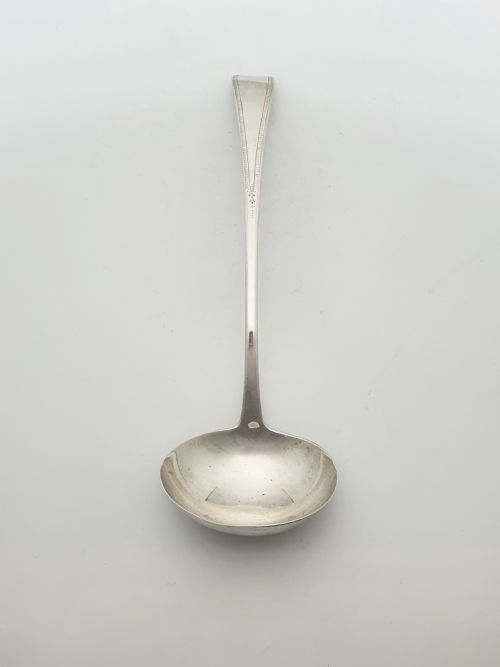
When searching for regency silver spoons, collectors examine sterling silver tableware and cutlery originating from the Georgian and Regency periods. The forms include caddy spoons, serving spoons, sifter spoons, and large soup ladles, alongside complete sets.
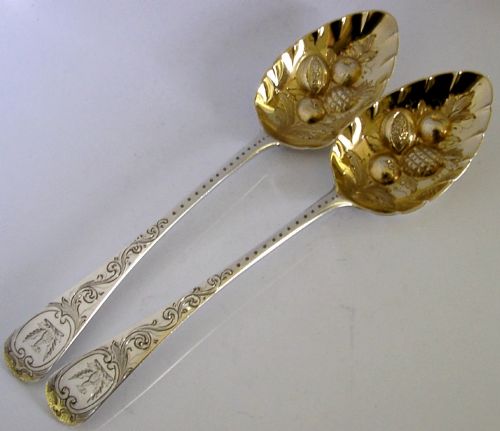
Caddy spoons and berry spoons are the versions most frequently encountered on this page. These pieces often feature specific decorative motifs like vine leaves and grapes, threaded borders, or family crests.
How they were made
Makers utilised sterling silver as the primary material, often enhancing specific details with parcel-gilt or gilt finishes. These techniques added contrast and visual richness to the bowls and handles of caddy and serving spoons.
Craftsmen shaped the metal through traditional hammering and casting methods, incorporating intricate patterns such as the Coburg design or naturalistic vine leaves. Items were finished with hand-engraved family crests and threaded borders to denote status and ownership.
Listings feature sterling silver and parcel-gilt materials across Georgian and Regency periods, spanning forms from soup ladles to caddy spoons.
What varies in quality
Quality in these items rests upon the crispness of the original chasing and the preservation of hand-engraved crests. Pieces that retain sharp detail in motifs like grapes and leaves demonstrate superior initial workmanship and careful handling.
Provincial origin and specific maker attribution elevate certain examples above standard production items. The weight of the sterling silver and the balance of the utensil further separate ordinary utilitarian pieces from high-status tableware.
JOSEPH WILLMORE·Jamieson and Naughton
The Regency Silver Spoons Glossary
- Sterling silver
- A standard alloy consisting of ninety-two point five percent silver by mass, utilised for durability and lustre in tableware. This material forms the base of nearly all pieces listed.
- Caddy spoon
- A small utensil specifically designed for measuring and dispensing loose tea leaves from a caddy. These often feature decorative bowls shaped like leaves or shells.
- Berry spoon
- A large serving spoon, frequently embossed and regilded at a later date to feature fruit motifs. They were used during the Georgian period for serving soft fruits.
- Sifter spoon
- A specialised spoon with a pierced bowl designed for sprinkling sugar over food. The perforations allow excess sugar to remain in the vessel.
- Parcel-gilt
- A metal object that is partially gilded with gold, leaving areas of exposed silver for contrast. This technique highlights specific decorative elements on spoons.
Regency Silver Spoons: Frequently Asked Questions
What are regency silver spoons used for?
These items served specific functions at the dining table, ranging from dispensing dry tea leaves to serving soup and fresh fruit. Specialised pieces like sifter spoons and egg cruet utensils handled precise culinary tasks.
Today, collectors utilise them both as historical tableware and as decorative display elements that reflect early nineteenth-century dining customs.
How do I identify a regency period spoon?
Identification relies on examining hallmarks stamped into the silver, which indicate the assay office, date letter, and maker's mark. The presence of Georgian and Regency stylistic markers provides further confirmation.
Provincial pieces often carry distinct marks that differentiate them from London-made items of the same era.
What is a berry spoon?
A berry spoon is a large serving utensil featuring an embossed bowl decorated with fruit and foliage. Many of these pieces were produced during the Georgian period and subsequently parcel-gilded.
They appear frequently in pairs and were traditionally used for serving berries and soft fruits.
How should I care for antique silver spoons?
Proper maintenance involves gentle cleaning with specialised silver polish and soft cloths to preserve the underlying metal and any gilt highlights. Avoid harsh abrasives that can wear away hand-engraved crests and fine details.
Store pieces in protective environments lined with velvet or silk to prevent tarnishing and scratching.