


Regency Reeded Mahogany Sofa
A regency reeded mahogany sofa search brings up a rich array of tables and seating designed with classic lines.
Regency Reeded Mahogany Sofa
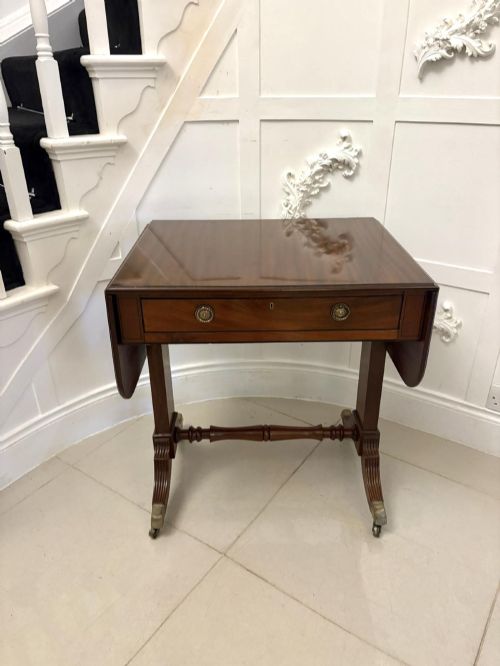
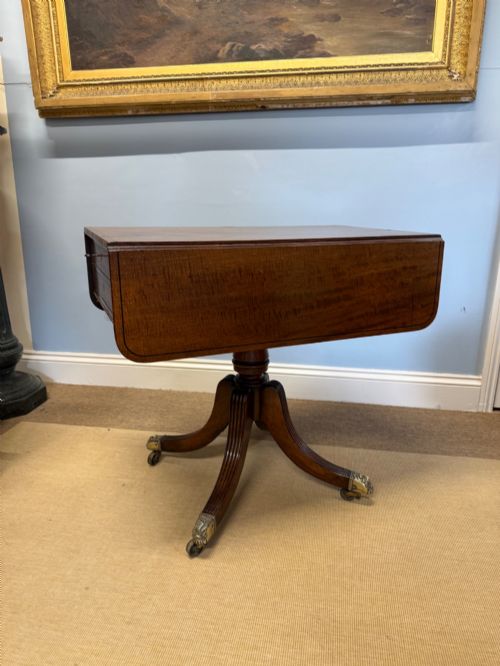
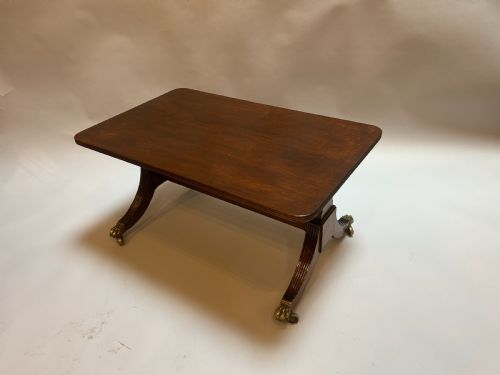
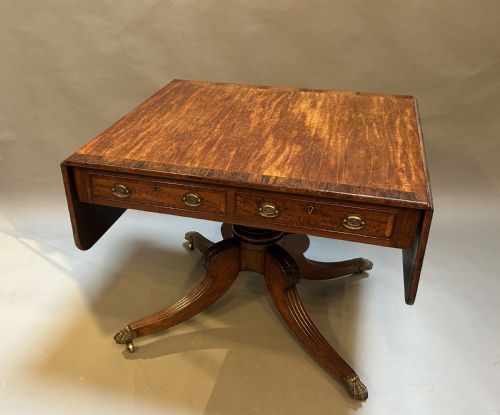
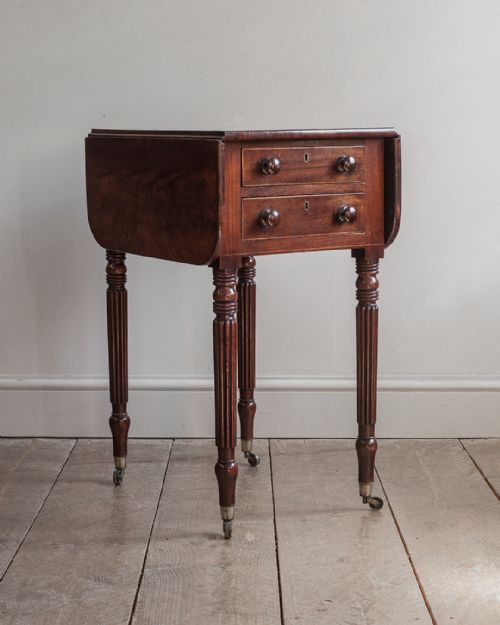
When you search for a regency reeded mahogany sofa, you will encounter a mix of seating and tables from the Regency, Georgian, and William IV periods, alongside later revival pieces. The results lean heavily towards sofa tables, Pembroke tables, and occasional writing tables, alongside traditional country house hall sofas.
The objects span original pieces from the early nineteenth century as well as later twentieth-century interpretations built in the Regency style. Mahogany dominates the timber selection, frequently enriched by figured grains and cross banding.
Materials and construction
Cabinet makers utilised solid mahogany and figured veneers, shaping the timber into drop-leaf tables, pedestal bases, and sofa frames. Brass accents appear on castors and mounts, whilst leather surfaces serve as writing inserts on specific table variations.
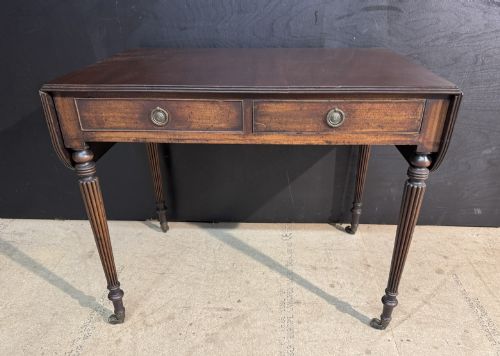
Joinery techniques include precise reeding carved directly into timber legs and table edges, complemented by turned pedestals and splay legs. Drawers incorporate hand-cut dovetails, and drop leaves utilise rule joints for smooth operation.
Listings feature mahogany timber alongside brass and leather materials across Regency and 19th-century periods.
Distinctions in quality
The hierarchy of quality rests upon the selection of timber figures and the crispness of the hand-carved reeding. Finer examples display carefully matched mahogany grains across table tops and drawer fronts, whilst lesser items utilise plain timber boards.
Structural integrity and secondary woods also define the standard of execution. Superior pieces feature solid mahogany framing and refined brass castors, whereas simpler iterations show more utilitarian construction methods.
Gillows of Lancaster and London·William Trotter
The Regency Reeded Mahogany Sofa Glossary
- Reeded
- A decorative moulding consisting of parallel convex strips resembling inverted fluting. This detail is frequently carved along table legs and sofa frames.
- Pembroke table
- A small table with hinged drop leaves on either side, often fitted with a drawer. These versatile pieces date predominantly from the Georgian and Regency eras.
- Sofa table
- A rectangular library or Pembroke table designed to stand in front of a sofa. They typically feature two drawers and end-support pedestals.
- Cross banding
- A strip of veneer applied to the border of a table top or drawer front so that the grain runs at right angles to the central panel. This technique frames the primary timber.
- Splay leg
- A leg that angles outward from the vertical centre of the piece. This stance provides stability and character to tables and seating.
Regency Reeded Mahogany Sofa: Frequently Asked Questions
What is a regency reeded mahogany sofa table?
A sofa table is a rectangular drop-leaf table designed during the Regency period to stand behind a sofa or in the centre of a room. They typically feature two drawers and distinctive end supports.
These pieces were utilised for writing, sewing, and serving tea in polite drawing rooms.
How do I identify Regency furniture?
Regency furniture dates from the early nineteenth century, encompassing the Regency era and the reign of George IV. Look for classical proportions, mahogany timbers, and carved reeding.
Maker attributions and construction details like brass castors and turned pedestals help confirm the period origin.
What does reeded mean on these pieces?
Reeding is a decorative form of parallel rounded carving that projects from the surface. It provides texture and visual refinement to legs, table edges, and framing.
This detail distinguishes plain furniture from more polished classical designs of the period.
How do I live with a mahogany sofa table?
Mahogany sofa tables function well as writing desks, console tables, or behind living room seating. Their drop leaves allow them to expand or contract depending on available space.
Regular polishing with traditional wax keeps the timber nourished and protects the figured grain from daily wear.