


Regency Portrait Print
A regency portrait print brings crisp character to a wall, offering framed likenesses from the dawn of the nineteenth century.
Regency Portrait Print
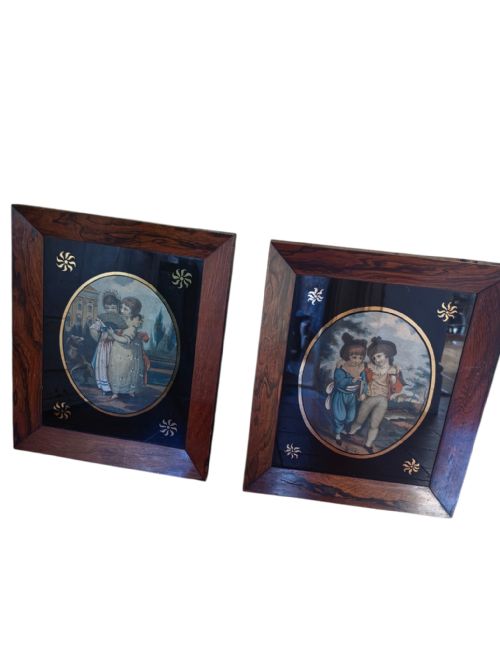
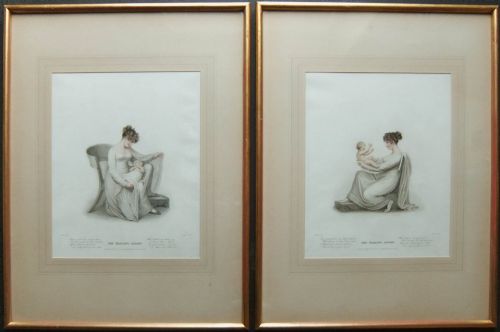
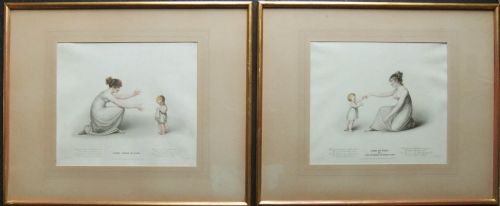
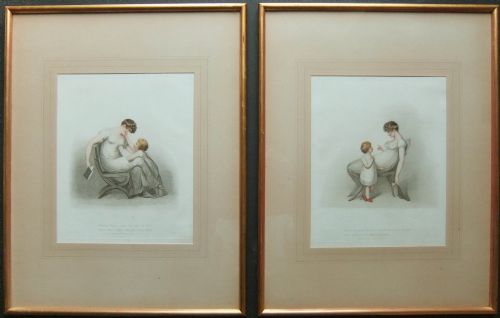
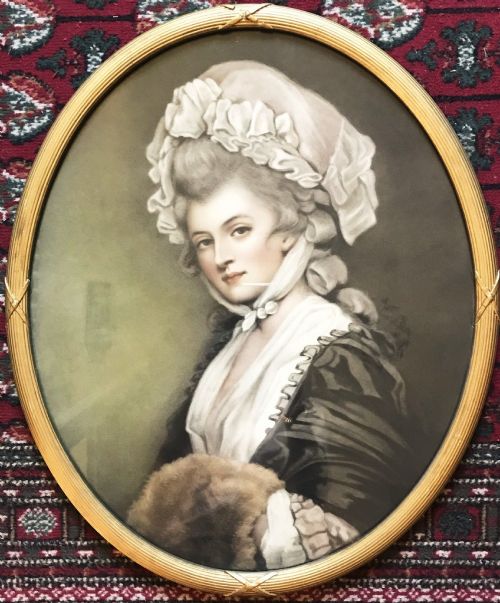
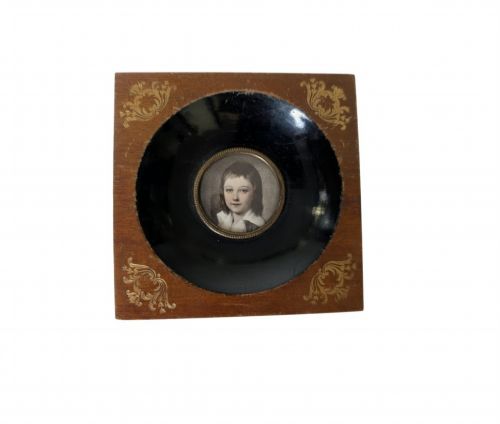
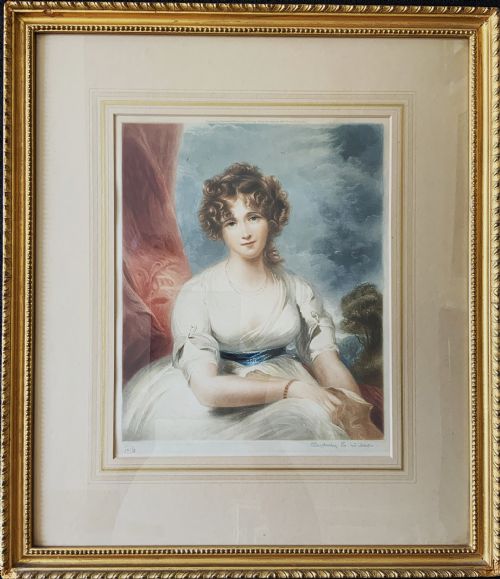
A regency portrait print is a framed image capturing a likeness from the early nineteenth century, encompassing stipple engravings, mezzotints and reverse glass prints. You will encounter subjects ranging from children after Adam Buck to nobility and naval officers, often preserved behind glass.
The format spans oval glazed wall art, Hogarth framed hand-coloured plates and decoupage theatrical prints housed in rosewood or giltwood surrounds. These works reflect the visual tastes of the Georgian and Regency eras, recording the fashion and faces of the period.
Many examples arrive in pairs, depicting subjects like the Calmady children or domestic scenes with mothers and youngsters. Such pairings offer balanced symmetry for a hallway or drawing room wall.
How they were made
Makers utilised paper sheets for stipple engravings and ink work, applying hand-colouring or monochrome tones to bring depth to the subjects. Reverse glass prints required transferring ink and pigment directly onto the rear of the glass panel before sealing.
Framing involved timber such as rosewood and gessoed wood enriched with gold leaf, creating substantial borders that protected the delicate paper and glass within. Metal embellishments occasionally augmented the clothing depicted in the prints.
Moulders and framers constructed rectangular and oval housings, often mounting scrollwork or simple mouldings to complement the aesthetic of the enclosed artwork.
Some nineteenth-century prints feature unusual metal embellishments glued directly onto the children's clothing for extra sparkle.
What varies in quality
The integrity of the original frame alters the overall character, with period rosewood and fire-gilt surrounds holding greater visual weight than later replacements. Glazing condition also plays a part, particularly in reverse glass prints where flaking pigment diminishes the impact.
Adam Buck·Sydney Wilson·George Romney·Sir Thomas Lawrence
The Regency Portrait Print Glossary
- Stipple engraving
- A method of printing using dots of varying density to create tonal gradation and soft flesh tones. This technique was widely favoured for portraits during the Regency period.
- Reverse glass print
- An image painted or transferred onto the underside of a glass sheet and viewed from the front. This process creates a luminous, reflective surface.
- Mezzotint
- A printmaking process where the copper plate is roughened to produce dark tones, allowing for subtle gradations of light and shade. It was frequently used for reproducing oil paintings.
- Hogarth frame
- A narrow, dark wooden frame with a stepped or ogee profile, often highlighted with gilt inner edges. It provides a classic eighteenth and nineteenth-century housing for works on paper.
- Artist proof
- An impression printed outside the standard commercial run, pulled to test the plate's condition. These typically show superior sharpness and detail.
Regency Portrait Print: Frequently Asked Questions
How do I hang a heavy framed print?
Ensure you fix your hanging wire or rings securely into wall studs using appropriate fixings suited to your wall type. Heavy frames with glass benefit from dual mounting points to distribute weight evenly.
Keep the artwork away from direct sunlight and damp spots to protect the paper, ink and original wooden frames from fading or warping over time.
Are these prints original to the period?
The selection includes works produced around 1800 through the Regency era, alongside nineteenth-century impressions and later revivals. Check the listed period details to confirm the date of production for each individual piece.
Examining the framing materials and the paper substrate helps distinguish period originals from twentieth-century reproductions.
How should I clean glass and frames?
Dust timber frames gently with a dry, soft cloth, avoiding commercial polishes that can damage antique finishes or gold leaf. For the glass, apply a mild glass cleaner to a cloth rather than spraying directly onto the surface, preventing liquid from seeping behind the edge.
Take care around hand-coloured areas or reverse glass paintings where moisture can cause permanent lifting or staining.
What subjects are most common?
Portraits of children, family groups and notable historical figures dominate the selection, reflecting Regency tastes in domestic virtue and portraiture. You will also find fashion plates, theatrical scenes and naval officers.
Many of these images were designed to decorate the walls of English country houses, capturing the societal ideals of the era.