
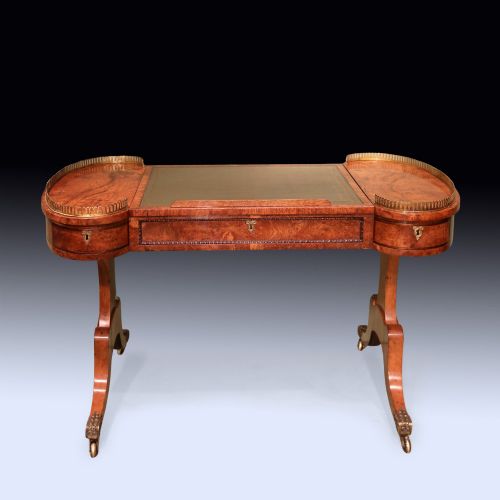
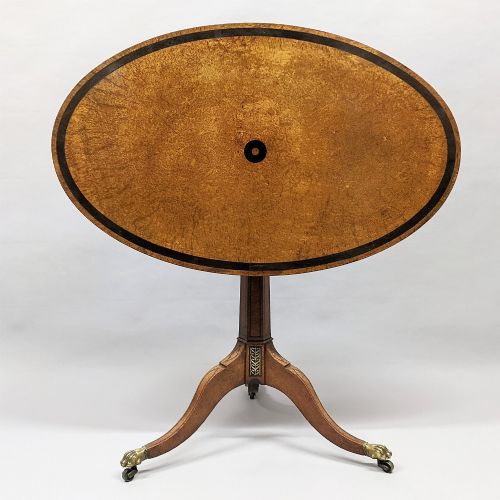
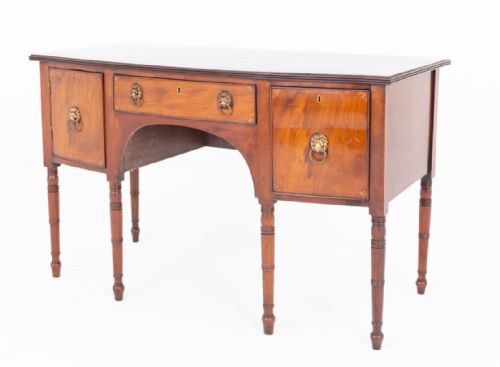
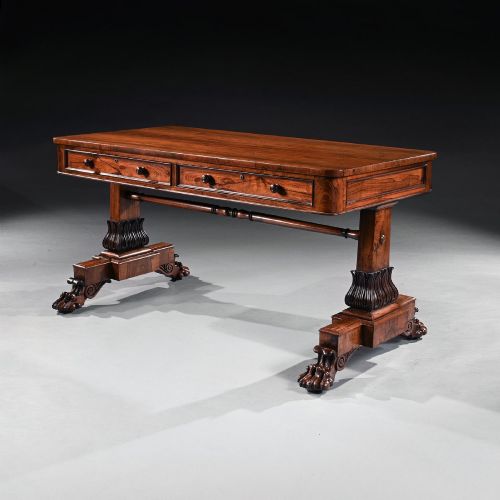
Regency Period Pedestals
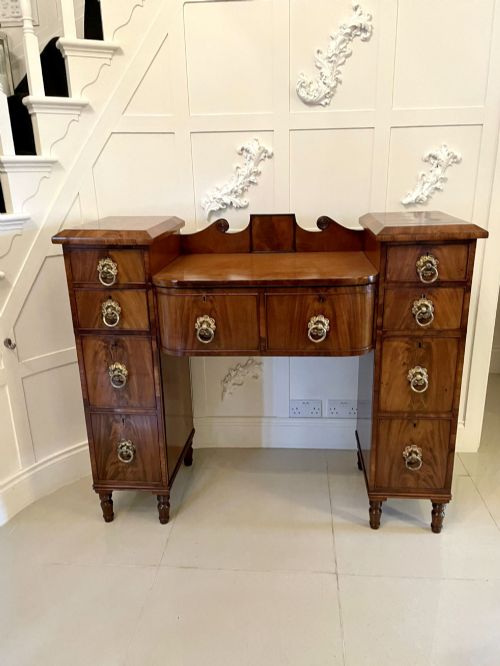
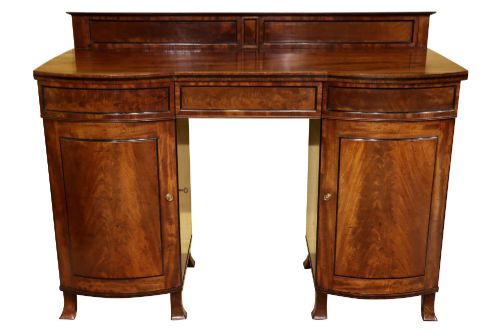
Regency period pedestals are substantial timber supports and fitted sideboard cupboards that anchor formal dining rooms with architectural weight and refined classical proportions.
Regency Period Pedestals
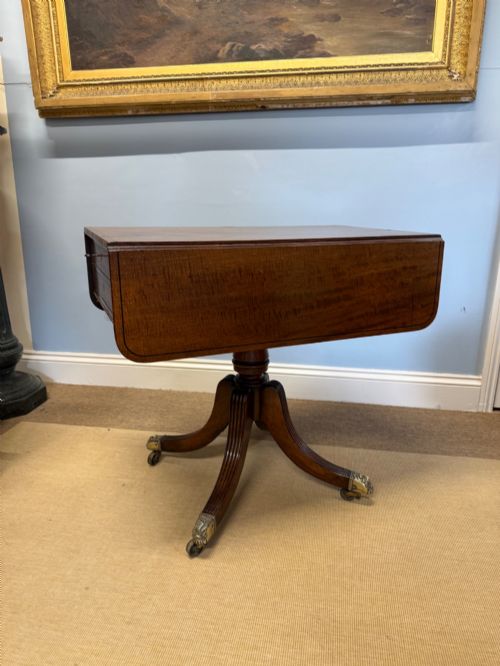
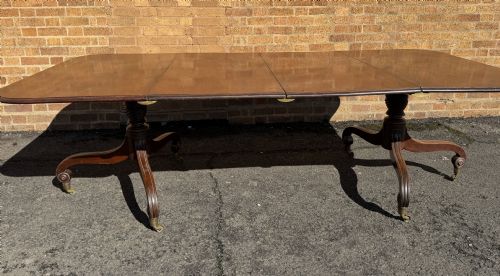
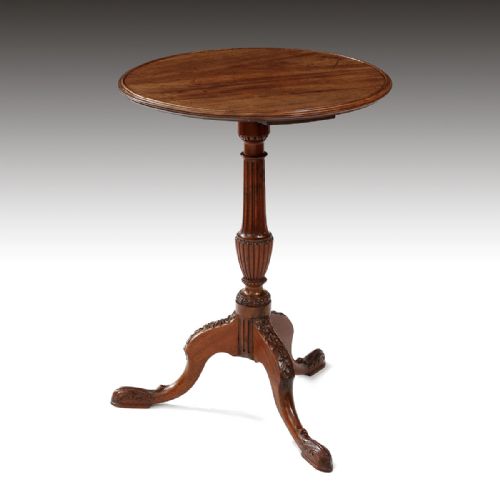
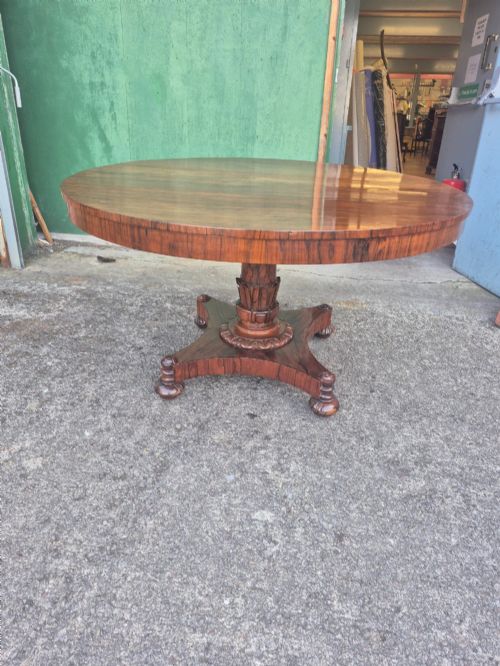
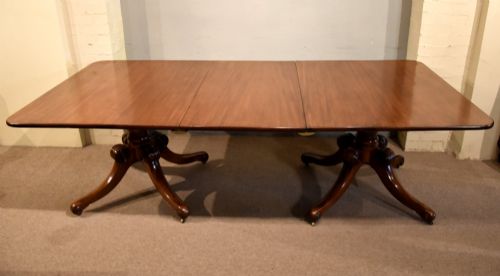
When buyers search for regency period pedestals, they encounter heavy timber dining tables supported by central pillars, tripod bases, and dedicated sideboard cupboards originating from the early nineteenth century. These forms span the George III, Regency, and William IV eras, capturing a period of transition towards bolder classical designs.
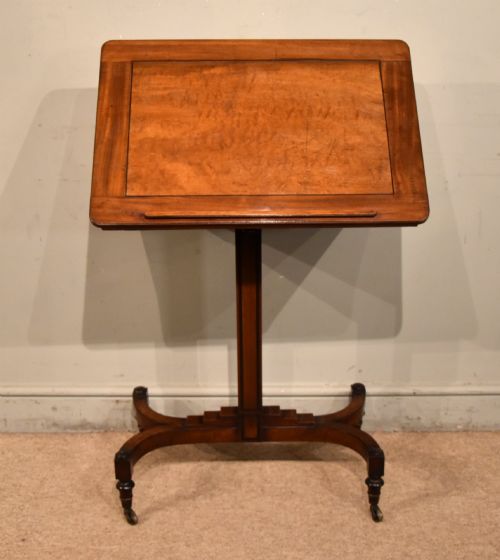
The tables and sideboards listed here demonstrate the core domestic functions of the era, from expandable dining surfaces to specialised reading and games furniture. Mahogany remains the dominant timber across these forms, frequently paired with rosewood or burr oak to provide textural contrast.
Materials and Construction
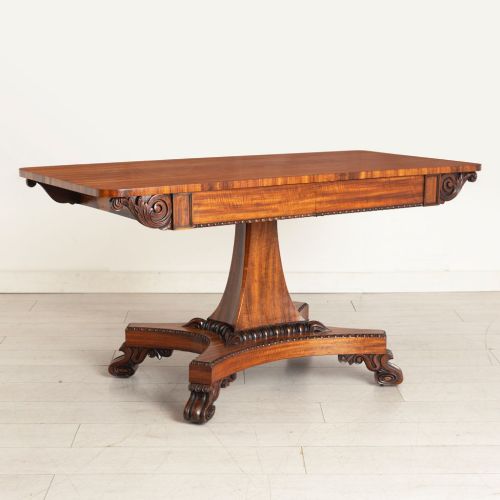
Cabinet makers utilised solid mahogany and figured veneers applied over secondary timbers, often accentuating surfaces with flame mahogany or satinwood highlights. Fine brass inlays and carved wooden elements such as lion paws or dolphin bases define the ornamental vocabulary of the period.
Turning and joinery techniques created stable central columns and tripod supports capable of bearing heavy tabletops without sacrificing grace. Secondary woods like oak and pine provide robust internal framing for sideboards and cupboards.
Current listings feature mahogany, rosewood, burr oak, and satinwood across the Regency and William IV periods.
Evaluating Craftsmanship
Quality rests in the selection of timber veneers and the crispness of carved details upon the pedestals and pillar bases. Superior examples exhibit harmonious grain matching across large surfaces and cleanly executed brass inlay rather than rushed assembly.
The structural integrity of the central column attachment dictates the stability of the piece over centuries of use. Finer workshops invested greater time in seasoning timbers and joining heavy elements securely.
Gillow·James Mein
The Regency Period Pedestals Glossary
- Pedestal
- A structural vertical support or column beneath a table or the flanking cupboard section of a sideboard. These elements elevate the main surface and provide stability.
- Flame Mahogany
- A wood veneer cut from the branch junction of the mahogany tree, displaying a distinctive flamy or feather-like pattern. This figured grain was prized for tabletops and cabinet fronts.
- Tripod Table
- A small occasional table supported by three legs radiating from a central pillar. They often feature tilt-top mechanisms for storage.
- Sofa Table
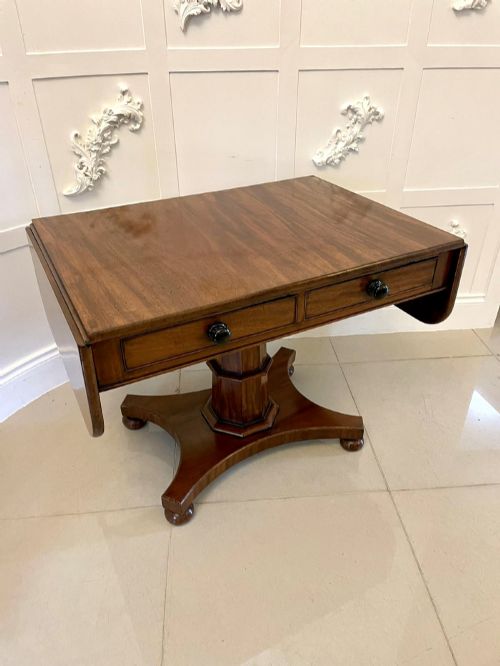
- A rectangular occasional table designed to stand in front of a sofa, typically featuring drop leaves and paired pedestal ends. They often incorporate small drawers.
- Breakfast Table
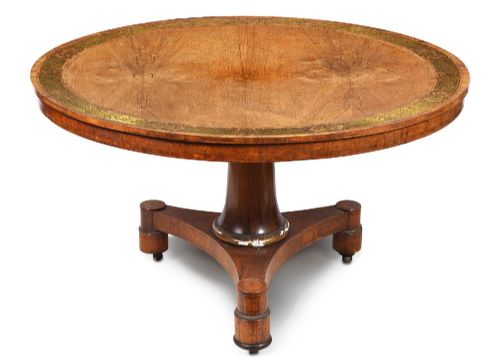
- A round or oval dining table on a central pillar, designed for morning meals in smaller parlours. These tables frequently feature tilt tops.
Regency Period Pedestals: Frequently Asked Questions
What is a pedestal table?
A pedestal table relies on a central pillar or column rather than four corner legs to support the top. This construction method allows greater legroom around the dining surface.
Such tables frequently incorporate tripod feet or platform bases to distribute weight evenly across the floor.
How do I identify a Regency piece?
Regency furniture draws heavy inspiration from classical Greek and Roman design, displaying clean architectural lines and dark timbers. Look for restrained classical ornament, brass inlay, and carved wooden feet.
Timbers commonly include figured mahogany and rosewood, often finished with a rich polished surface.
Where were pedestals used?
These pieces occupied principal reception rooms, libraries, and formal dining spaces within grand houses. They served practical domestic roles while projecting an air of classical refinement.
Sideboard pedestals held glassware and dining accessories, while table pedestals anchored the centre of the room.
How should I care for rosewood?
Rosewood surfaces require stable humidity and protection from direct sunlight to prevent timber movement and fading. Regular dusting with a soft cloth maintains the natural lustre of the polished wood.
Avoid placing damp items directly onto the polished timber to protect the historic finish.