

Regency Overmantel
A regency overmantel brings architectural breadth and a clear reflective expanse to a chimney breast, caught in giltwood or rich timber.
Regency Overmantel
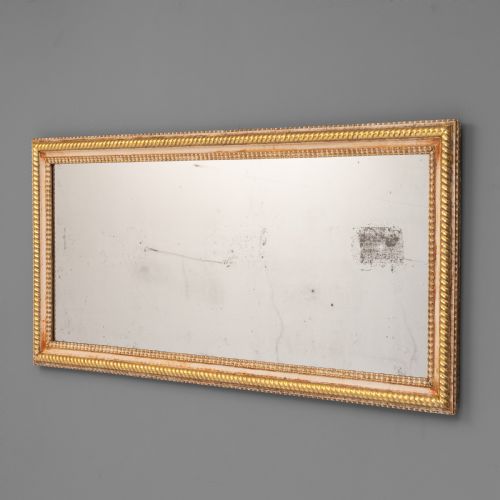
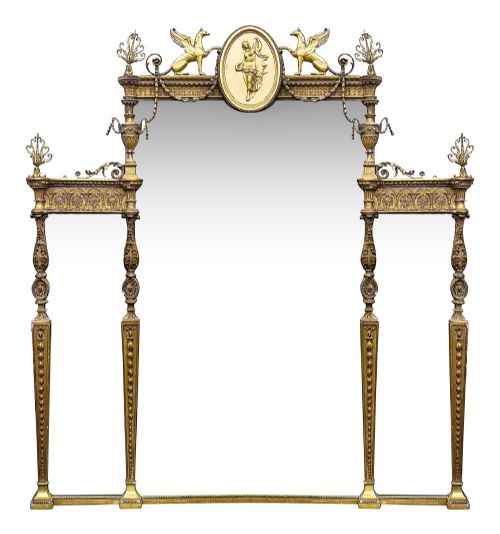
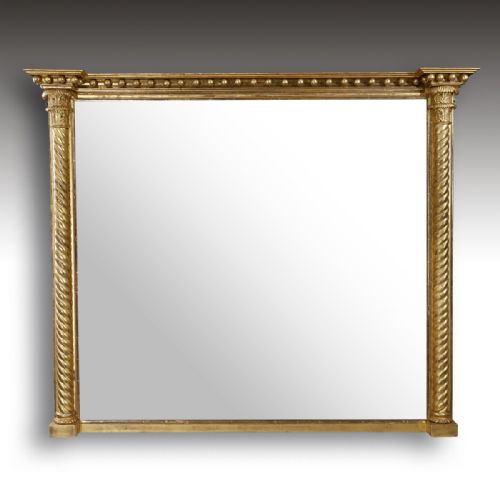
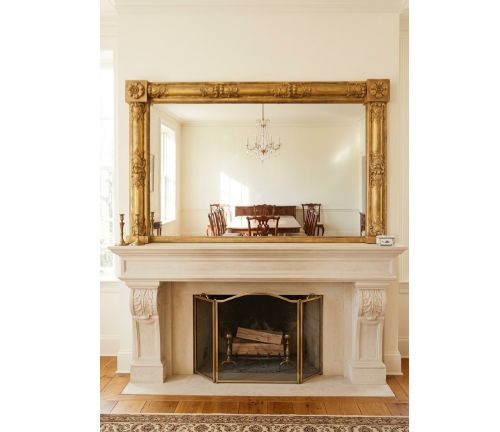
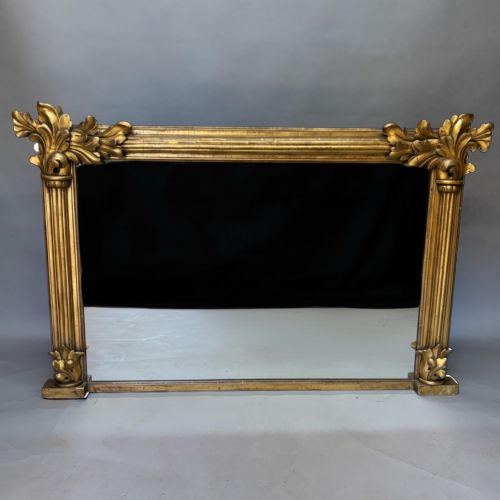
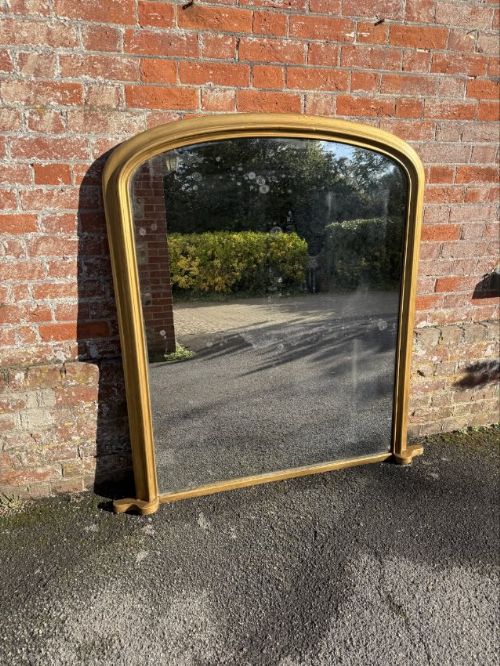
A regency overmantel is a large horizontal mirror designed specifically to sit above a fireplace hearth, commanding the wall space of a principal room. The examples found here span the nineteenth century, encompassing Georgian origins, the Regency period proper, and later Victorian revivals. They function primarily as expansive wall furniture that reflects natural light deep into the interior.
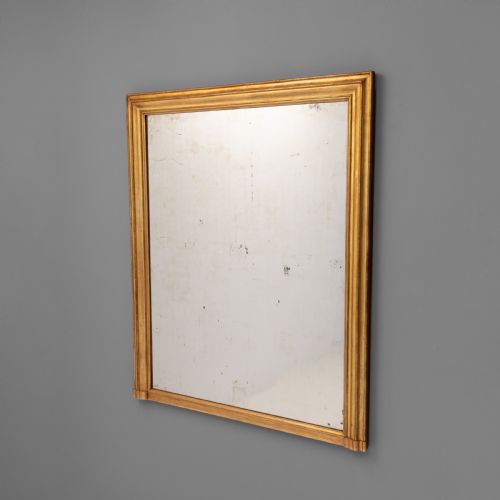
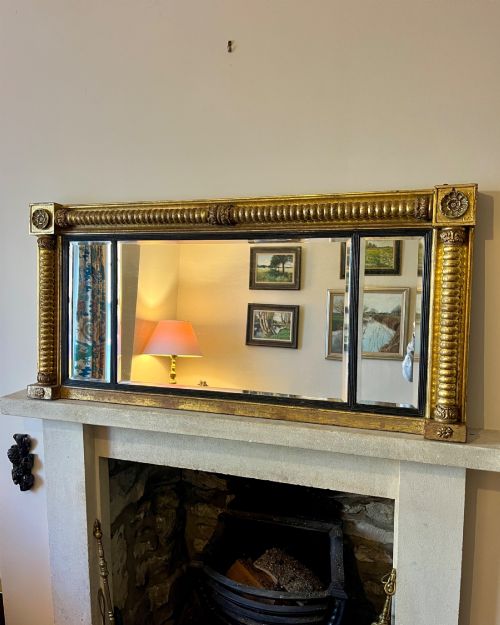
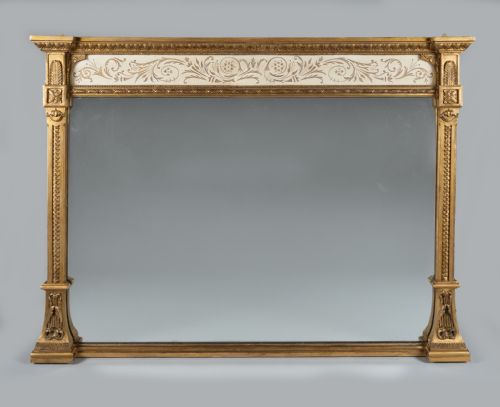
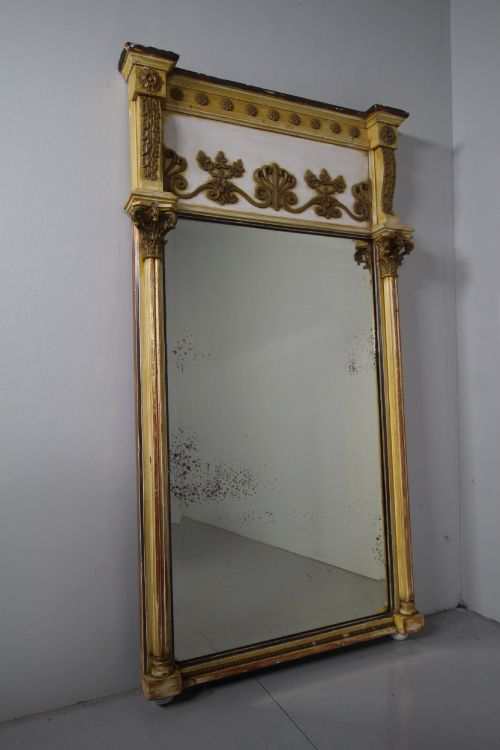
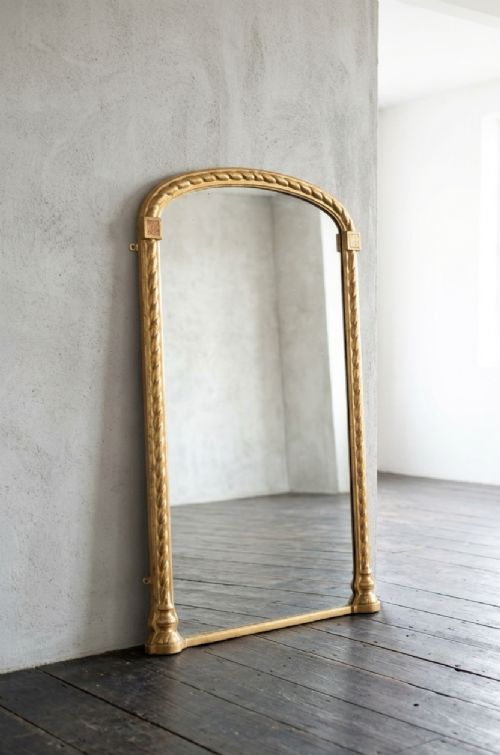
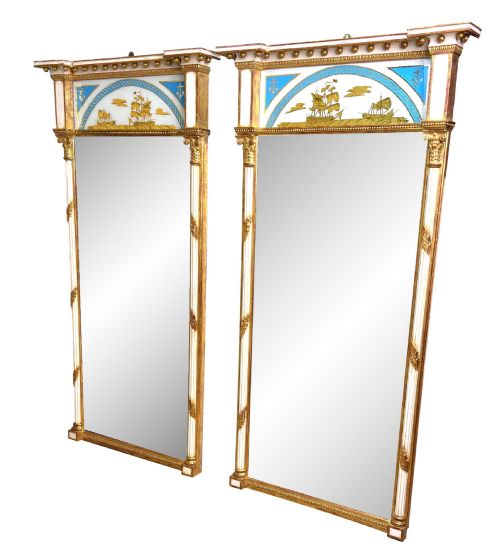
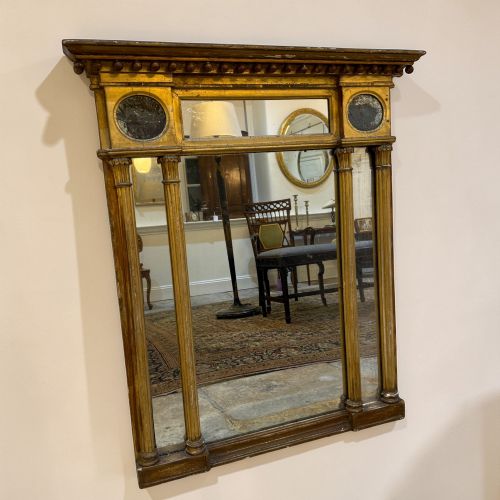
The standard form met on this page is the giltwood overmantel mirror, often framed with architectural motifs such as columns, rope twist carvings, or classical pediments. Alongside these wide horizontal formats, the selection includes tall pier mirrors and occasional triple plate designs intended to sit between windows or above mantelpieces. Materials range from traditional carved wood and gesso to painted finishes and warm mahogany timbers.
Origins cluster around English workshops of the early nineteenth century, alongside later nineteenth-century interpretations drawing on neoclassical and French designs. Buyers encounter everything from country house proportions down to smaller wall-hung pier glasses. Each piece reflects the decorative priorities of its period, balancing functional reflection with substantial sculptural presence.
How they were made
Makers constructed these frames using carved wood, composition ornament, and applied gesso over a timber subframe. Carvers shaped timber and applied moulded composition details to achieve crisp classical motifs like acanthus leaves and rope twists before guilders applied gold leaf or paint.
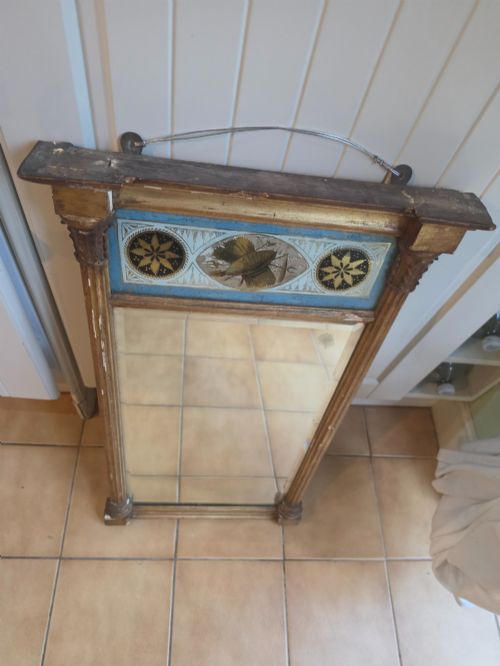
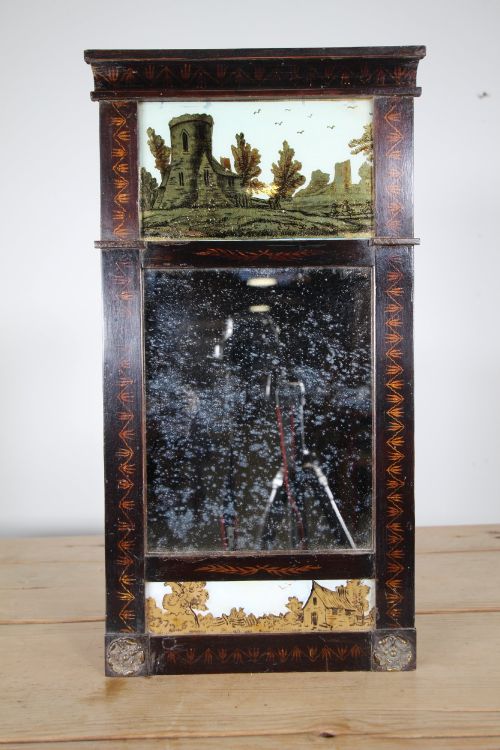
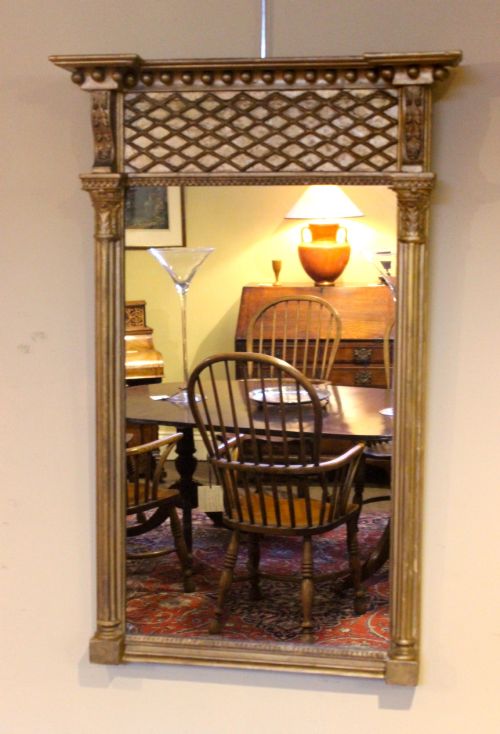
Mirror plates were set into the frames behind glass, sometimes incorporating specialist upper panels such as verre eglomise reverse-painted glass or divided triple plate configurations. The timber structure behind the gilding typically relies on pine, mahogany, or birch, depending on the desired finish and cabinetmaking standards of the workshop.
Regency Overmantel Retail Price Guide 2026
Typical asking prices for regency overmantel among the pieces listed under this phrase on Sellingantiques today, from the lower quarter to the upper quarter. They describe what is for sale here now, not the wider market.
What varies in quality
The distinction between standard examples and superior pieces rests on the depth and crispness of the carving within the wood and gesso. Finely modelled ornament retains sharp edges and intricate detail, whereas lesser work relies on thick composition ornament that softens the underlying form.
Proportion and the preservation of original surfaces dictate desirability. Pieces retaining their original mercury or antique mirror plates, combined with unblemished gilding or untouched painted finishes, represent the upper tier of the range.
The Regency Overmantel Glossary
- Giltwood
- Wood that has been coated with gold leaf over a prepared gesso ground. This finish provides the characteristic metallic sheen seen on classical frames.
- Gesso
- A plaster mixture applied to wooden frames as a smooth base for gilding or painting. It accepts detailed mouldings cleanly.
- Verre eglomise
- A cold decoration technique involving painting and gilding on the reverse side of glass panels. It frequently appears on panels above the main mirror glass in pier mirrors.
- Pier mirror
- A tall mirror designed to hang on the wall space between two windows. They often share stylistic traits with overmantels of the same period.
- Composition
- A moulded mixture of whiting, resin, glue and oil pressed into ornament. It allowed makers to produce intricate decorative reliefs efficiently.
Regency Overmantel: Frequently Asked Questions
Where should a regency overmantel be hung?
These mirrors belong centrally above a mantelpiece where their horizontal proportions balance the hearth below. They anchor the room by drawing the eye upwards and reflecting light across the space.
Alternatively, larger vertical formats function effectively as leaner mirrors against a main wall. Ensure the wall construction supports the substantial weight of carved wood and heavy mirror glass.
How do I identify a genuine nineteenth-century piece?
Look closely at the construction of the frame joints behind the piece and the composition of the gesso layers. Age reveals itself through the natural oxidation of the mirror plate and the shrinkage cracks in the gesso surface.
Original pine backing boards and hand-cut fixings offer further clues to period manufacture. Compare the decorative motifs against neoclassical design books of the early nineteenth century.
What is the difference between an overmantel and a pier mirror?
Overmantel mirrors are traditionally wider than they are tall, built specifically to span the horizontal length of a fireplace mantel. Pier mirrors are taller and narrower, originally scaled to fit the narrow wall space between windows.
Despite their different traditional placements, both share similar neoclassical or Regency decorative vocabularies such as giltwood frames and column supports.