


Regency Oil Canvas
A regency oil canvas brings the direct presence of early nineteenth-century portraiture and landscape into a room through hand-applied oil paint on woven fabric.
Regency Oil Canvas
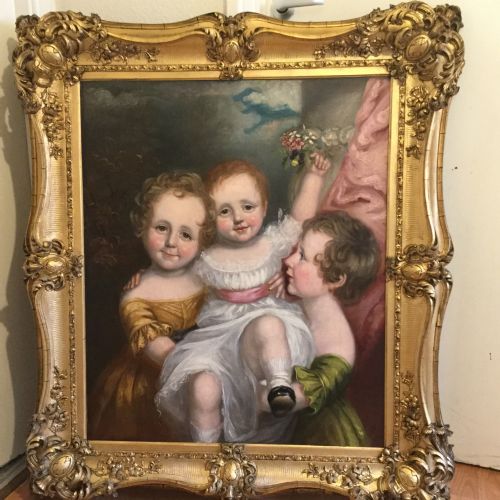
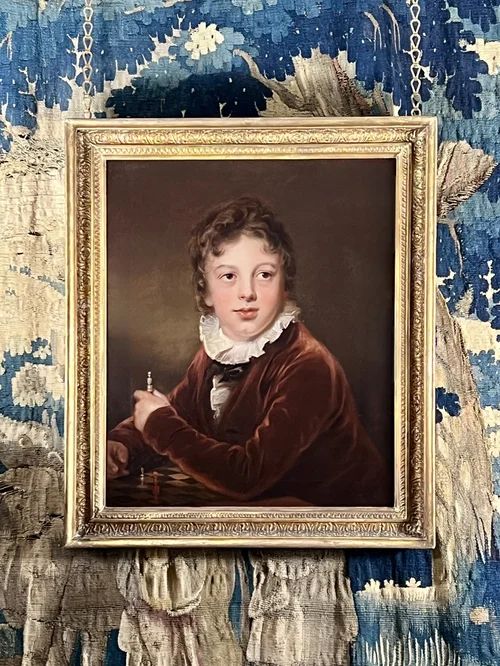
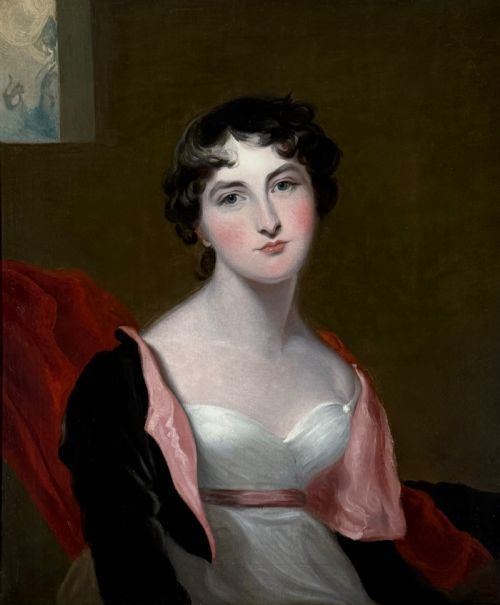
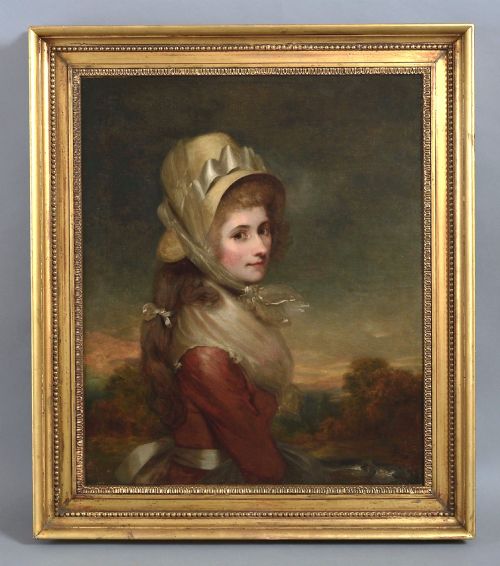
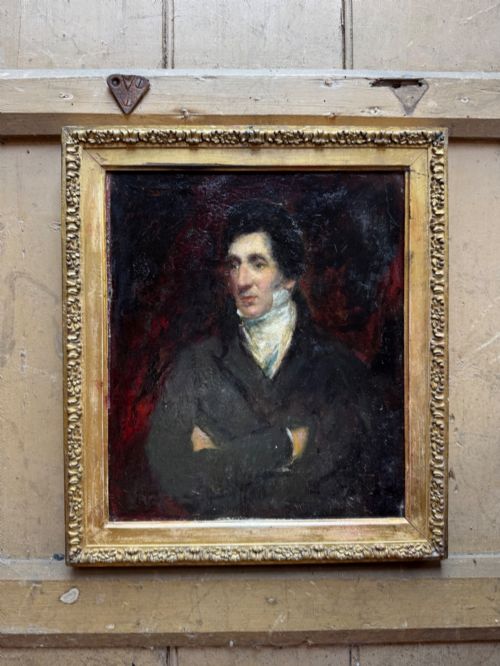
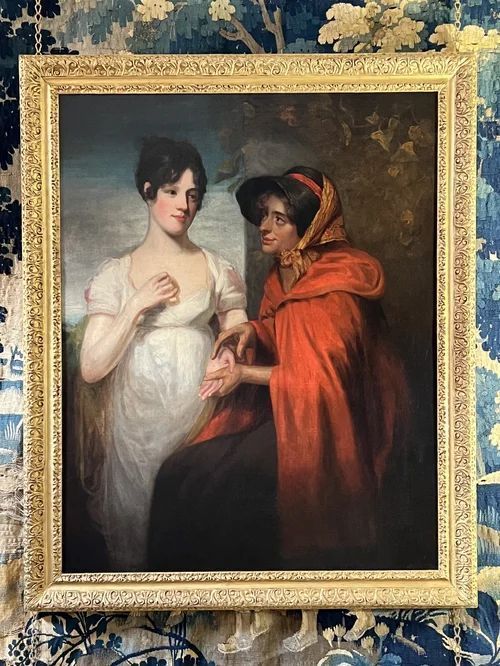
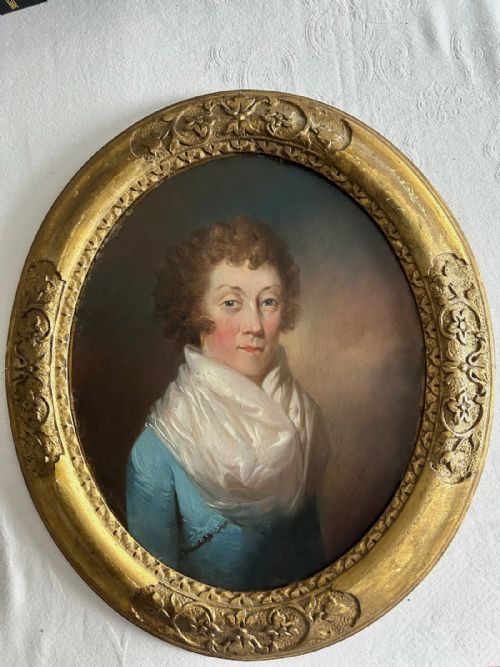
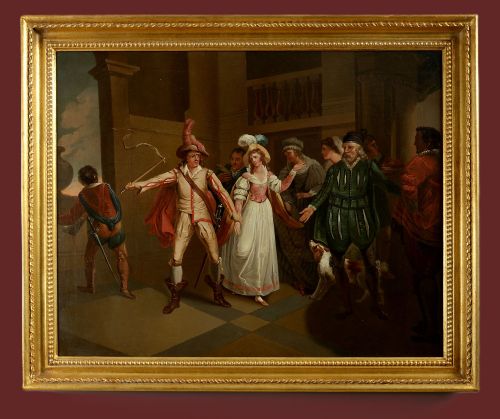
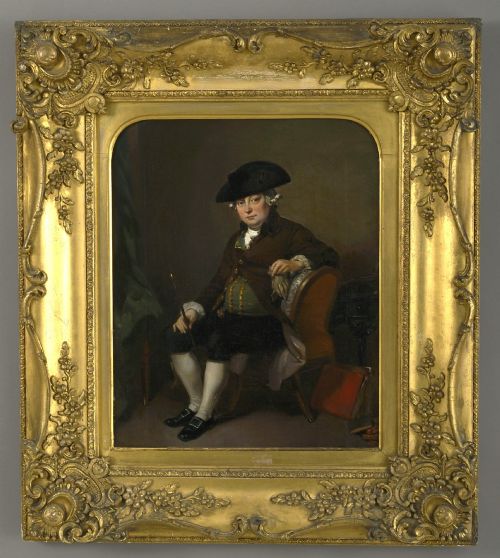
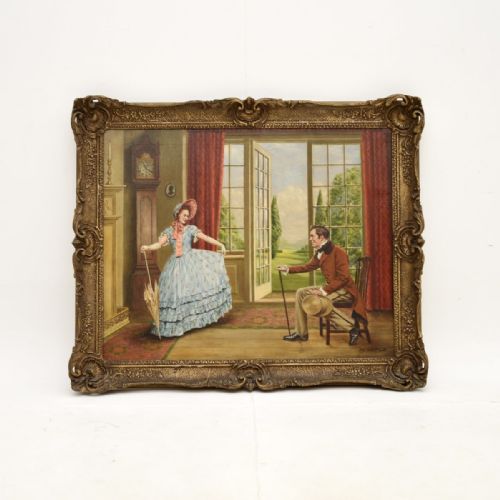
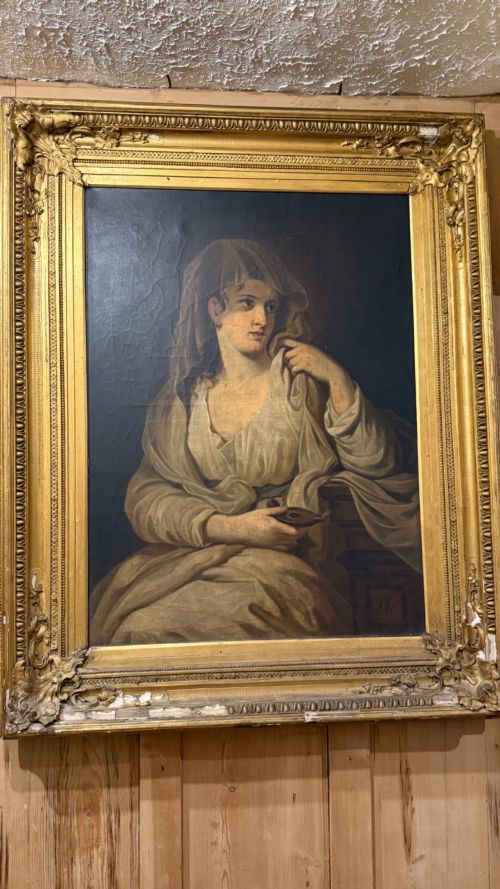
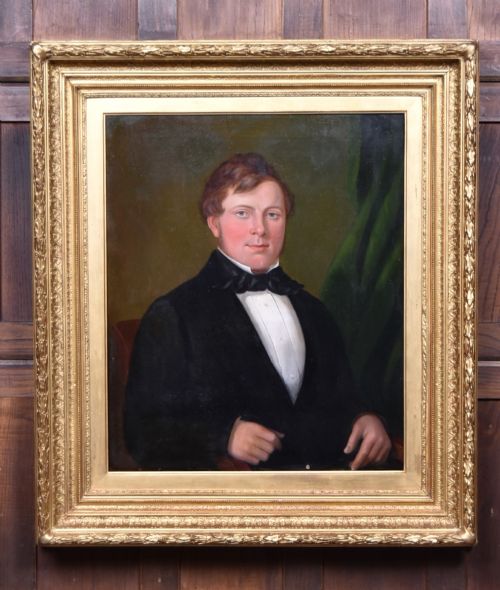
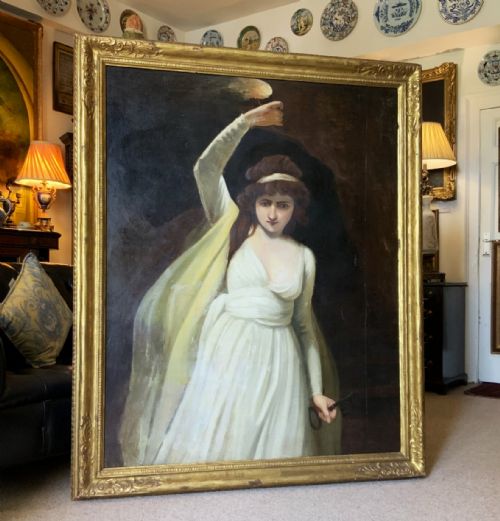
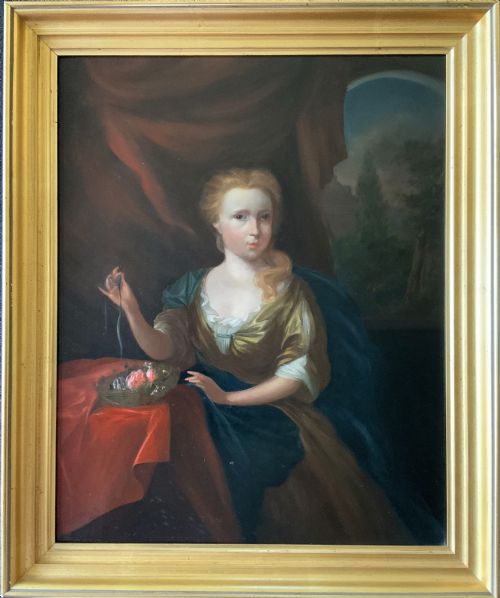
A regency oil canvas focuses heavily on oil portrait paintings and genre pieces created during the Georgian and Regency periods. These artworks capture sitters ranging from military officers and nobility to children and domestic staff.
The version most commonly met on this page is the individual portrait, often housed in its original giltwood or gesso frame. Alongside portraits, buyers encounter coastal landscapes and sporting horse scenes reflecting nineteenth-century realism.
Makers and schools represented span British genre painting, Neoclassical portraiture, and continental European works. The pieces bridge the eighteenth-century traditions and later Victorian artistic expressions.
Materials and Techniques
The structural foundation relies on woven canvas stretched over wooden frames, occasionally laid on board for extra stability. Artists applied layers of oil paint using varied brushwork, building depth in fabrics, skin tones, and background shadows.
Many frames utilise carved wood enhanced with gesso and gold leaf or gilt wood, providing an ornate boundary that complements the dark, rich palettes of the paintings.
Several sitters share the canvas with faithful dogs, preserving the beloved pets of Regency households in permanent oil.
Distinctions in Quality
Quality separates in these works through the anatomical precision of the subject and the psychological depth captured in the brushwork. Master painters render hands, eyes, and textiles with a convincing weight that lesser hands miss.
The survival of the original giltwood frame and the stability of the canvas ground influence the overall standing of a piece. Works retaining their untouched surface layers carry greater visual authority than heavily restored examples.
Sir William Beechey·Sir Martin Archer Shee·John Opie·Sir Thomas Lawrence·Alfred Lyndon Grace·Margaret Sarah Carpenter·James Howe·John Ferneley Senior·Charles Haigh Wood·Clifton Tomson·Ramsay Richard Reinagle·John Watson Gordon
The Regency Oil Canvas Glossary
- Oil on Canvas
- A painting medium where pigments are suspended in a drying oil, applied to a stretched woven fabric support. This combination allows for rich colour blending and lasting durability.
- Giltwood
- Wood that has been treated with a thin layer of gold leaf or gold paint. It forms the decorative surface of many period picture frames.
- Genre Painting
- The pictorial representation of scenes from everyday life, ordinary people, or domestic interiors. These works offer social history alongside artistic merit.
- Gesso
- A paint mixture consisting of a binder mixed with chalk, gypsum, or pigment. It prepares wooden panel and frame surfaces for gilding or painting.
- Neoclassical
- An artistic style drawing inspiration from the art and culture of classical antiquity. It prioritises restraint, linear precision, and dignified composition.
Regency Oil Canvas: Frequently Asked Questions
How do I identify a true period canvas?
Examine the weave of the fabric and the composition of the stretcher bars behind the painting. Older canvases display hand-woven irregularities and oxidised oil pigments that modern reproductions cannot replicate.
The reverse of the canvas often shows age-related darkening and canvas shrinkage that matches the framing edges. Nail types and framing methods further help confirm the era of assembly.
Where were these paintings displayed originally?
These portraits and scenes hung primarily in country house libraries, drawing rooms, and formal dining spaces. Families commissioned portraits to document lineage, status, and professional achievements.
Smaller genre pieces and landscapes adorned private family parlours, reflecting the domestic tastes of the nineteenth-century gentry.
How should I care for an oil painting?
Keep the canvas away from direct sunlight, heating vents, and damp environments to prevent paint cracking and wood warping. Dust the surface gently with a soft, dry brush without applying pressure.
Avoid using liquid cleaners or chemical solvents on the paint layer. Professional conservators should handle any cleaning or varnish removal.
What distinguishes a portrait from a genre painting?
A portrait depicts a specific, identified or identifiable individual, often commissioned to record their likeness and social standing. The sitter remains the central focus of the composition.
A genre painting illustrates anonymous figures engaged in daily activities or narrative stories, prioritising the scene over the identity of the people within it.