

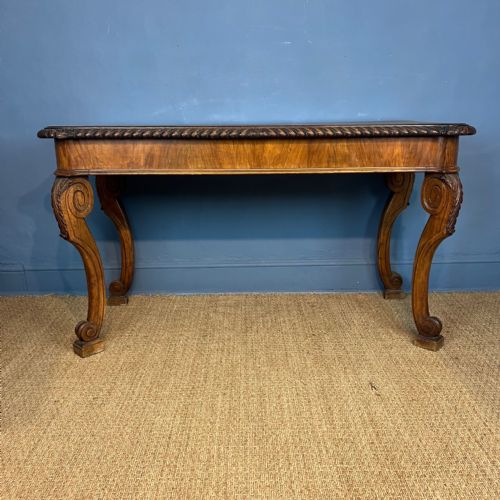


Regency Oak Furniture
Regency oak furniture brings together the robust honesty of timber and the refined geometry of the early nineteenth century.
Regency Oak Furniture
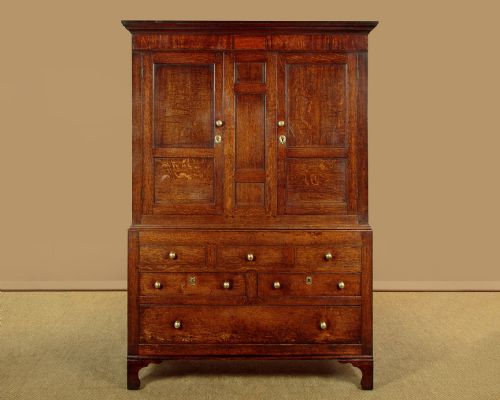
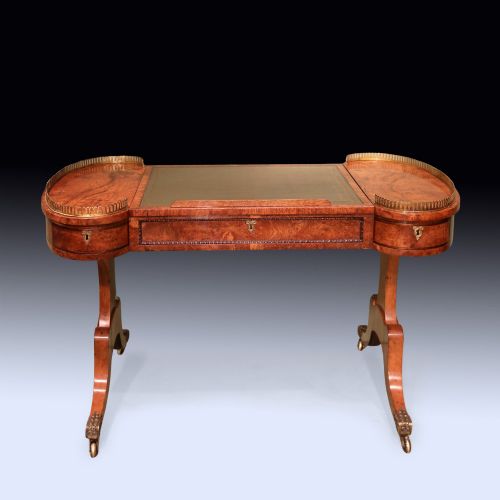
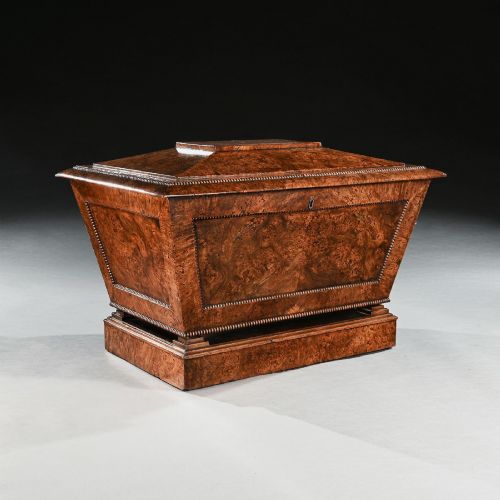
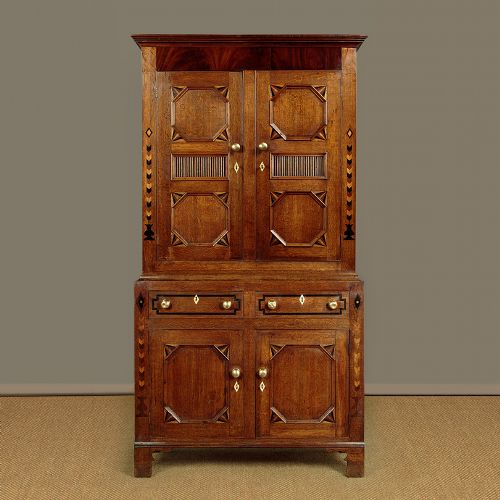
When people search for regency oak furniture, they encounter a range of domestic forms spanning writing tables, cellarettes, press cupboards, and hall chairs. These pieces bridge the gap between rural vernacular traditions and sophisticated urban cabinet-making.
The version most commonly met on this page combines heavy native oak carcasses with decorative veneers such as pollard and burr oak. They originate primarily from the early nineteenth century, drawing on Georgian practicality while adopting Regency and William IV proportions.
Materials and construction
Makers utilised solid native oak for structural integrity, shaping frames, chair rails, and drawer linings to withstand heavy daily use. This timber was frequently paired with burr and pollard oak veneers to create rich, erratic grain patterns on principal surfaces like table tops and cabinet doors.
Surface detailing often incorporated contrasting woods such as ebony, holly, and walnut alongside cast brass hardware and leather inserts. Joinery relied on traditional framing and panel methods, sometimes augmented by giltwood enrichment on high-status console tables.
Listings feature items built from solid oak paired with pollard oak, burr oak, walnut, and ebony veneers.
Distinctions in quality
Quality rests upon the selection of timber and the skill with which the decorative burr or pollard veneers are laid. Finer examples display symmetrical grain matching and careful integration of secondary timbers like walnut and holly.
The balance of proportions and the crispness of turned or carved details separate standard utility items from works attributed to prominent workshops. Original brasses, patination, and untampered structural framing elevate a piece significantly.
William Trotter·Gillows of Lancaster
The Regency Oak Furniture Glossary
- Pollard oak
- Timber taken from a tree that has been pollarded, producing tightly clustered knots and a dense, swirling grain pattern. Cabinet-makers prized this timber for decorative veneering on prominent surfaces.
- Cellarette
- A freestanding container designed to hold bottles of wine near the dining table, often lined with lead or compartmentalised. Regency versions frequently employ pollard oak with robust brass fittings.
- Dumb waiter
- A tiered revolving or stationary sideboard accessory used to serve meals without servants present. These pieces utilise sturdy oak framing and multi-level trays.
- Whatnot
- An open set of freestanding shelves used for displaying books or ornaments during the nineteenth century. They appear in octagonal oak configurations.
- Partners desk
- A large double-sided writing table designed for two people to work opposite one another. Important Regency examples incorporate burr oak panels and integrated drawers.
Regency Oak Furniture: Frequently Asked Questions
How do I identify genuine Regency oak?
Authentic pieces display construction methods consistent with the early nineteenth century, including hand-cut dovetails and native timber framing. Look for secondary woods and patination that reflect genuine age.
Examine the grain patterns on surfaces veneered in pollard or burr oak, as nineteenth-century cutting techniques differ markedly from later reproductions.
Were these pieces made for everyday use?
Many items, such as hall chairs, wine coolers, and stick stands, served specific utilitarian roles in grand houses. Oak was chosen for its durability in high-traffic domestic environments.
Other forms, like writing tables and cabinets, combined practical storage with decorative presence in principal reception rooms.
How do I care for pollard oak veneers?
Maintain stable humidity levels in the room to prevent the timber and its underlying veneers from drying out or splitting. Avoid placing pieces near direct heat sources.
Apply traditional wax sparingly and buff gently with a soft cloth to preserve the natural lustre of the wood.
What distinguishes George IV oak from earlier styles?
George IV and late Regency items often feature heavier proportions and bolder decorative veneers compared to delicate earlier Georgian work. Brass inlay and giltwood accents become more pronounced during this phase.
The integration of styles like William IV brings even heavier pedestals and richer contrasting timbers into the construction.