





Regency Lounge Chair
These regency lounge chair examples combine rich timbers and classic forms to anchor a traditional room with serious presence.
Regency Lounge Chair
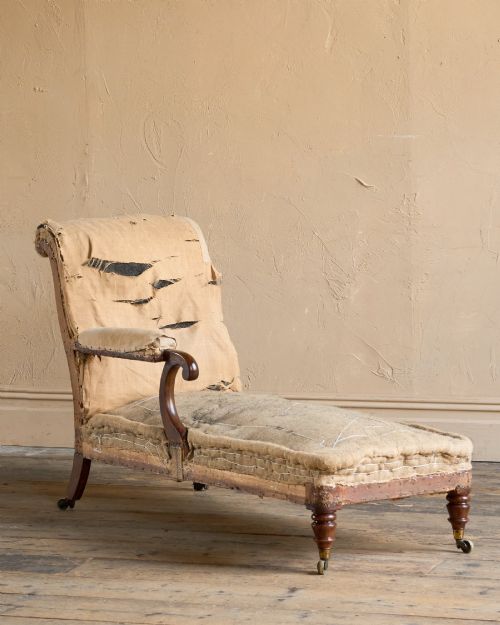
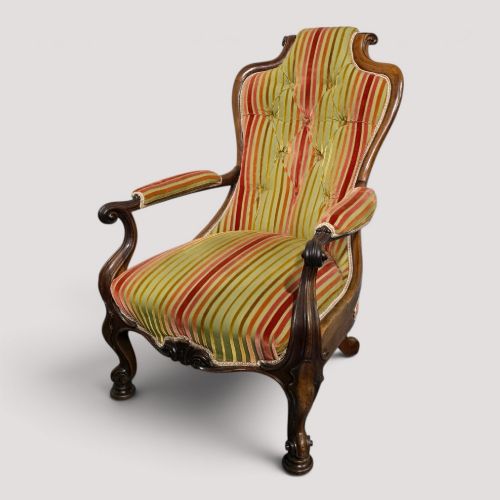
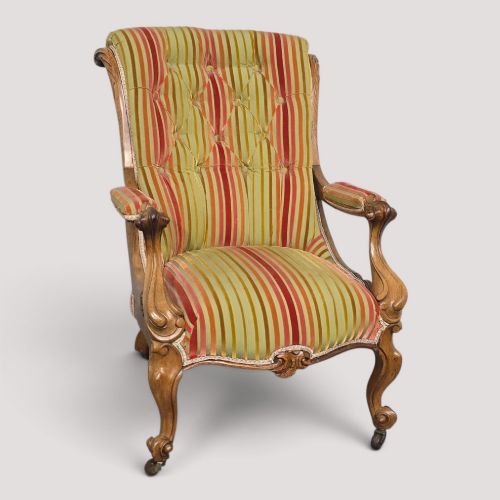
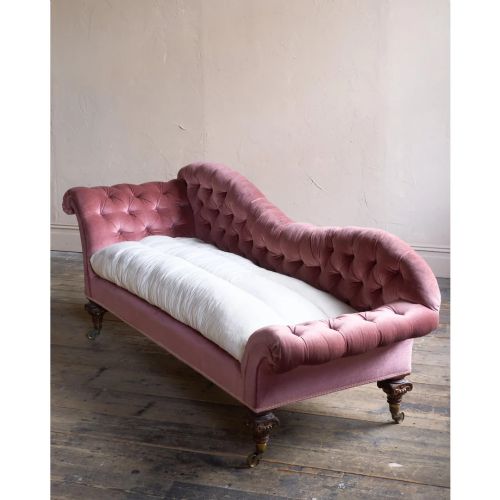
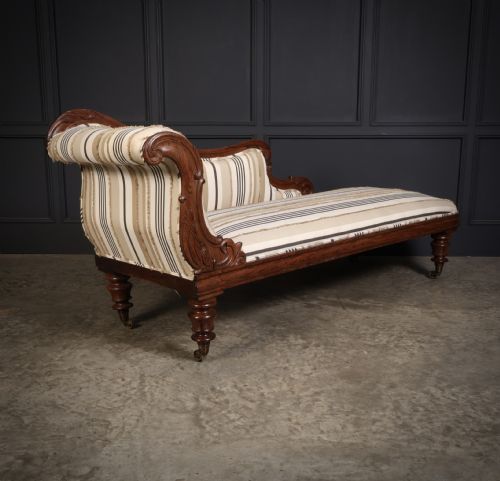
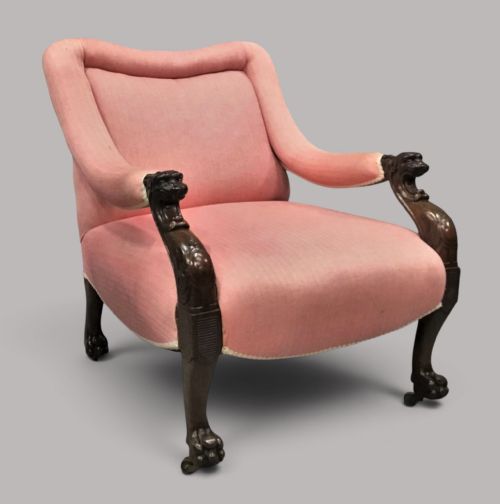
A regency lounge chair encompasses a variety of seating forms from armchairs and library chairs to day beds and chaise longues originating from the nineteenth century alongside later revivals. Buyers seeking this phrase encounter mahogany and rosewood frames often paired with velvet, fabric, or leather upholstery.
The selections span distinct stylistic revivals from the nineteenth century into the twentieth century, including William IV, Regency Style, and Regency Revival pieces. Alongside standard armchairs, related day beds and window seats appear frequently in the inventory.
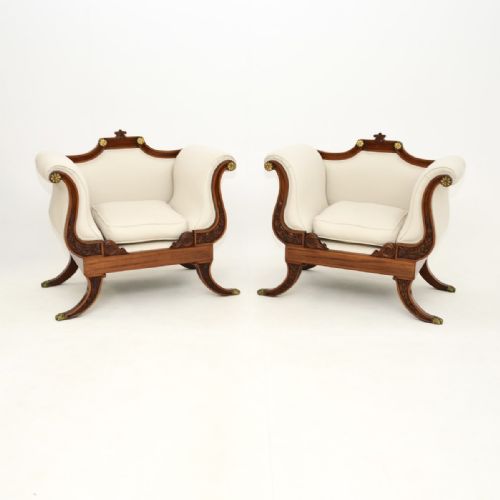
Makers and designers of the period referenced classical antiquity, resulting in specific structural details like lyre arms and ionic column legs. These seating choices suit studies, libraries, and drawing rooms where formal comfort is required.
Assessing quality
Quality differentiates through the choice of timber and the crispness of the carving on the wooden frame. Solid rosewood and finely figured mahogany represent higher manufacturing standards than softer or plainer woods.
The integrity of the original framing, combined with the sophistication of stylistic details like lyre arms or giltwood finishes, elevates certain pieces above standard production. The execution of classical motifs indicates the skill of the workshop.
Regency Lounge Chair Retail Price Guide 2026
Typical asking prices for regency lounge chair among the pieces listed under this phrase on Sellingantiques today, from the lower quarter to the upper quarter. They describe what is for sale here now, not the wider market.
Listings feature pieces spanning from the 1800s through 1930, utilising materials like rosewood, mahogany, brass, and giltwood.
The Regency Lounge Chair Glossary
- Bergère
- An enclosed upholstered armchair with wooden framing around the sides and back. These often feature cane work or fabric panels.
- Chaise longue
- An elongated chair designed for reclining, combining a chair seat with an extended footrest. Versions range from nineteenth-century originals to later interpretations.
- Giltwood
- Timber treated with gold leaf or gilt finish to create a bright decorative surface. This treatment appears on ornate revival armchairs.
- Lyre arm
- An armrest carved or shaped in the symmetrical outline of a classical lyre instrument. It forms a distinct decorative feature on library chairs.
- Slipper chair
- A low-seated upholstered chair originally designed for bedrooms. These pieces offer relaxed seating at a reduced height.
Regency Lounge Chair: Frequently Asked Questions
How do I identify a revival piece?
Revival pieces date from later periods such as the twentieth century whilst copying earlier nineteenth-century aesthetics. Examination of the timber and construction methods helps distinguish original items from later interpretations.
Details like giltwood finishes and specific stylistic markers often point towards revival production dates. Dealers specify these periods within the individual item listings.
Where should I place a day bed?
Day beds and chaise longues suit spacious reception rooms, studies, or large bedrooms where elongated seating is practical. Their architectural frames provide a focal point in an open interior scheme.
Positioning them away from direct sunlight protects the delicate velvet or leather upholstery. They function well as standalone statement furniture.
What wood types are most common?
Mahogany and rosewood dominate the framing materials for these seating forms. Walnut and giltwood also appear on specific revival and decorative pieces.
These dense woods provide the structural strength needed for carved armrests and column legs. Their grain patterns define the visual character of each piece.