

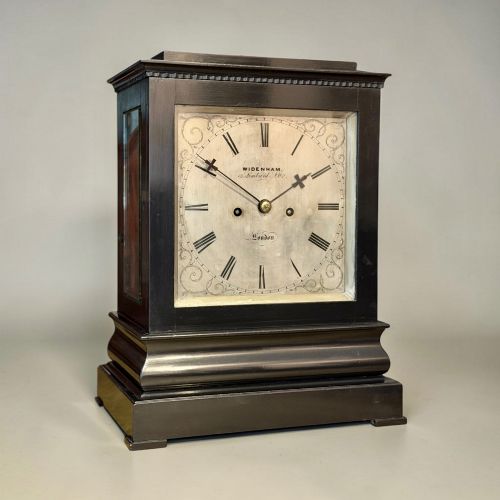
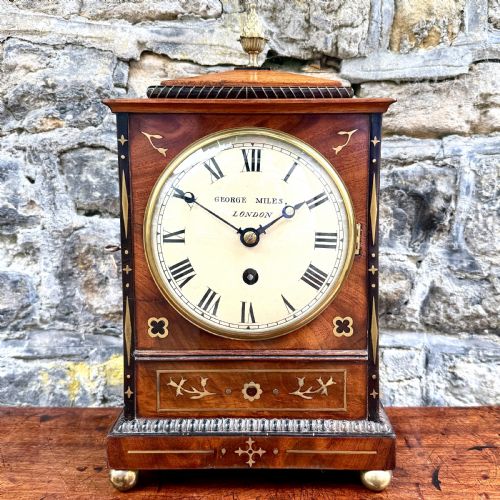


Regency Library Clock
These pieces known as a regency library clock are substantial timepieces housed in fine timber cases that bring both precision and presence to a room.
Regency Library Clock
A regency library clock combines formal architectural proportion with reliable timekeeping housed in portable timber cases. When you search for this phrase, you find examples spanning the Regency period alongside related Victorian and Georgian interpretations.
The objects take the form of mantel clocks, bracket clocks, and table clocks designed for domestic studies and reception rooms. Mahogany and rosewood form the primary body materials, often paired with brass bezels and silvered metal dials.
Materials and Construction
Movements rely on fusee mechanisms driven by chains or cords, providing even tension to the gear train throughout the running period. Silvered metal dials provide a clear contrast against dark timber housings and polished brass fittings.
Regency Library Clock Retail Price Guide 2026
Typical asking prices for regency library clock among the pieces listed under this phrase on Sellingantiques today, from the lower quarter to the upper quarter. They describe what is for sale here now, not the wider market.
Assessing Quality and Merit
Superior examples demonstrate meticulous timber selection with well-matched grain patterns across the case exterior. Finer pieces often feature signed movements from established London watch and clock makers rather than anonymous workshop production.
The refinement of the brasswork and the clarity of the engraved or silvered dial separate standard production from exceptional pieces. Complexity of movement, such as year-going capabilities, further elevates the standing of an individual clock.
Widenham of London·Bush of London·Arnold and Frodsham·McCabe·Plumbly and Tupman·Leith of London
The Regency Library Clock Glossary
- Fusee
- A conical pulley used in clock movements to equalize the declining power of the mainspring as it unwinds. This mechanism ensures consistent force is delivered to the escapement for accurate timekeeping.
- Bracket clock
- A portable clock originally designed to sit on a wall bracket or table surface. These pieces usually feature a carrying handle on top for movement between rooms.
- Timepiece
- A clock that indicates the time of day without including a striking mechanism. Simpler than chiming clocks, they focus purely on the motion of the hands.
- Silvered metal
- A brass or copper dial surface treated with a silver compound to produce a bright, matte finish. Graduations and maker signatures are typically engraved and blackened for legibility.
- Ebonised wood
- Timber treated with a chemical stain or finish to imitate true ebony. This dark surface treatment was popular for achieving high-contrast decorative effects in nineteenth-century cabinetwork.
Regency Library Clock: Frequently Asked Questions
What is a fusee movement?
A fusee movement uses a conical drum to regulate the pull of the mainspring, ensuring steady power reaches the gears. This mechanical arrangement was standard in better quality British portable clocks.
It allows the clock to maintain consistent timekeeping accuracy from the moment of full winding until the spring unwinds completely.
Where were these clocks placed?
These clocks were designed for placement on desks, tables, mantelpieces, or wall brackets in private studies and principal rooms. Their portable nature allowed owners to move them around the house as needed.
The inclusion of brass top handles on many examples facilitated this easy relocation between rooms.
How do I wind my clock?
Winding requires inserting a matching key into the dial winding square and turning it gently until resistance is felt. Care must be taken not to overwind the mainspring.
Consulting the specific movement instructions ensures the proper number of turns is applied during routine maintenance.
How do I distinguish Regency from Victorian examples?
Regency pieces typically exhibit clean classical proportions, restrained brass inlay, and warm mahogany or rosewood veneers. Victorian interpretations often incorporate heavier ornamentation, alternative woods like ebonised finishes, or slightly different dial proportions.
Maker signatures and registration marks can also help narrow down the decade of production.