
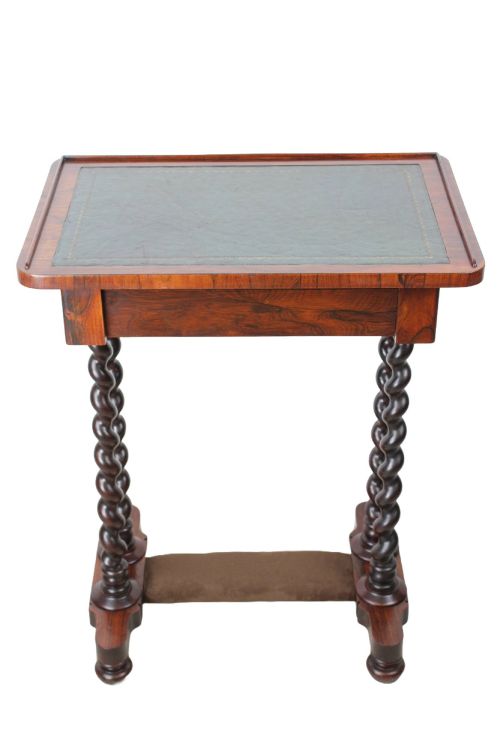
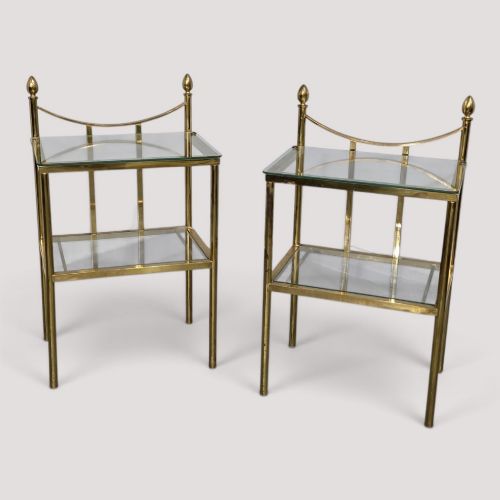


Regency Lamp Tables
Regency lamp tables combine refined classical proportions with practical surfaces, offering collectors both functional utility and striking decorative presence.
Regency Lamp Tables
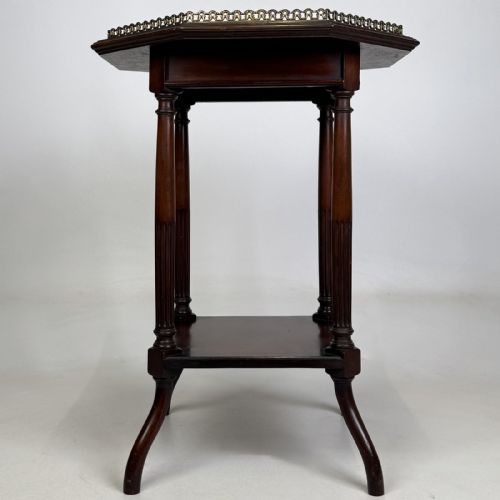
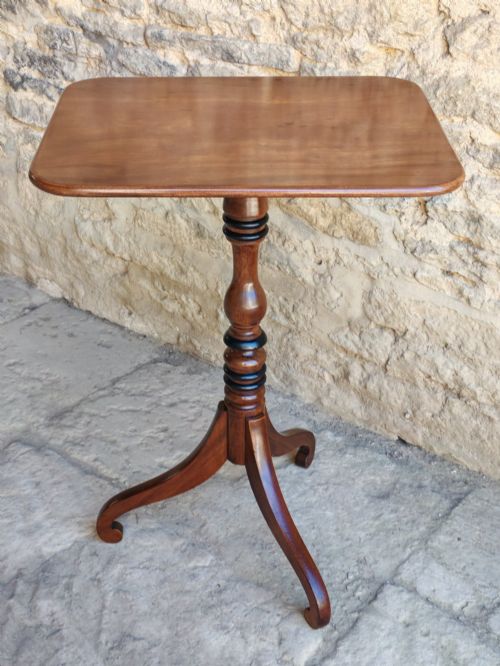
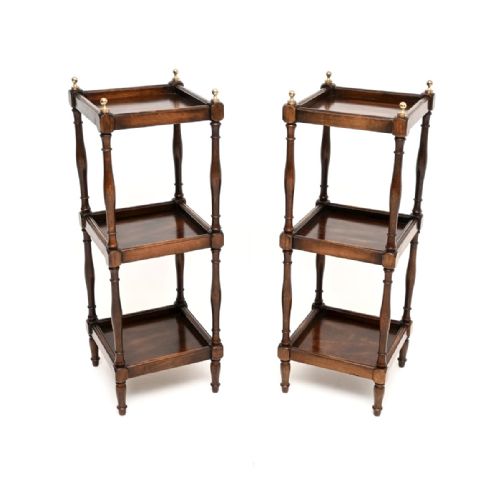
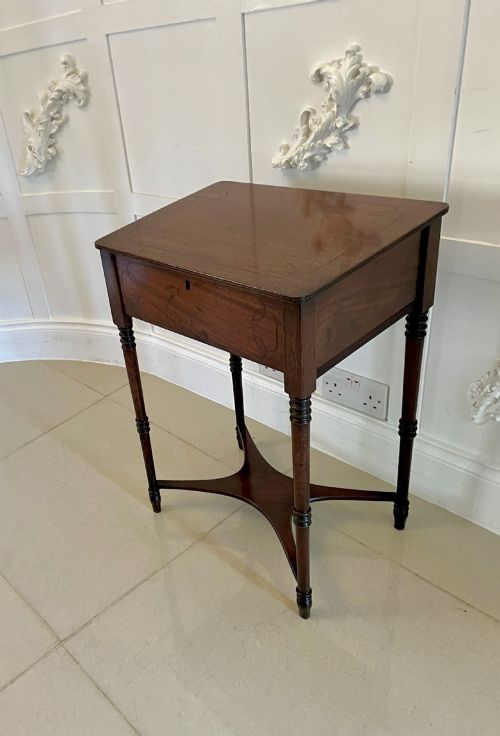
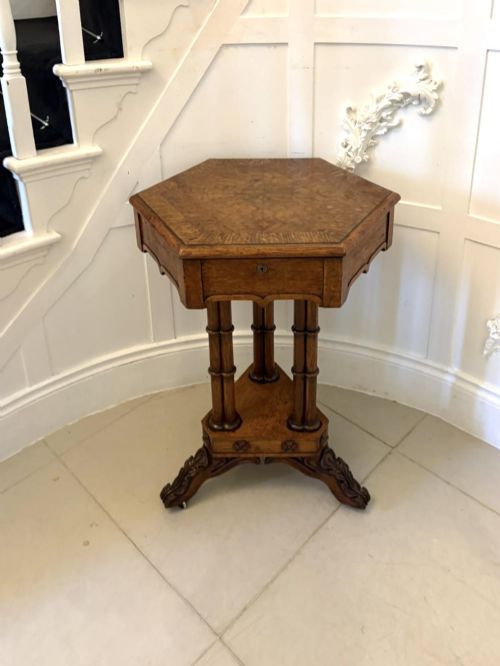
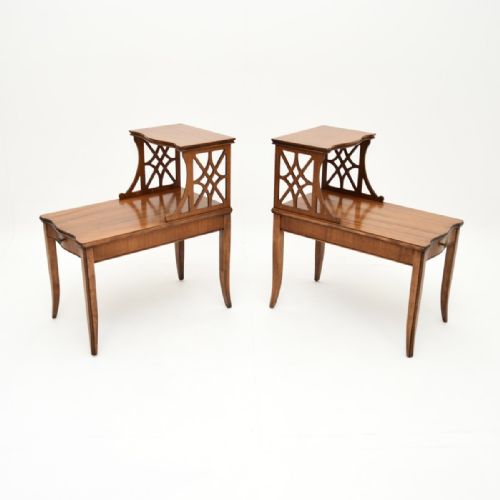
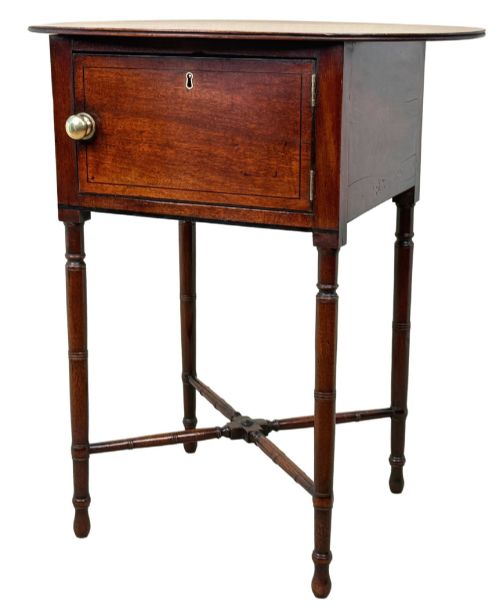
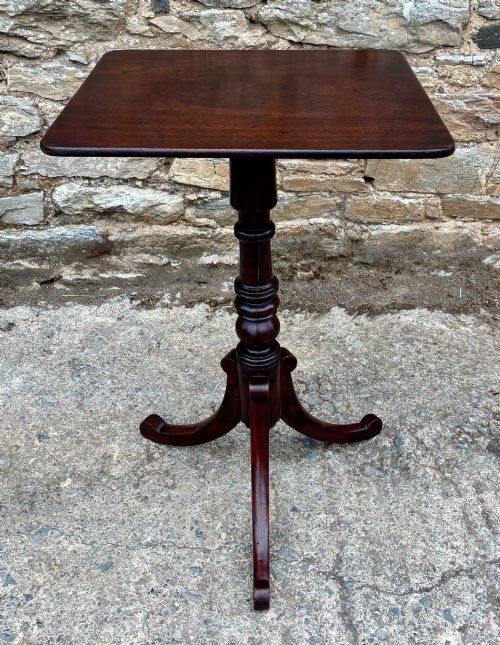
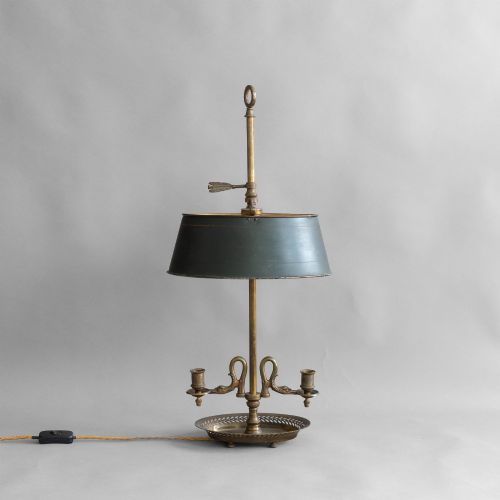
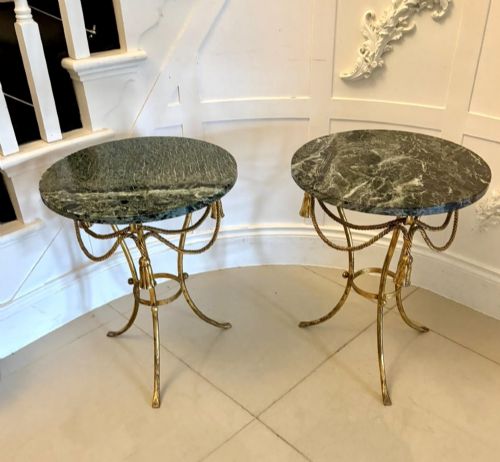
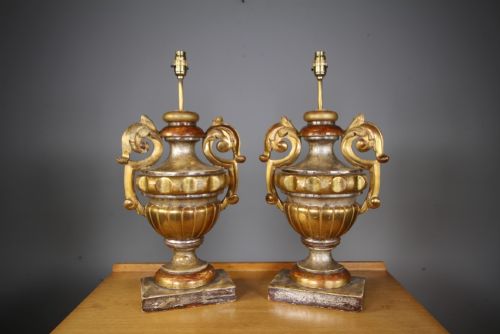
Regency lamp tables encompass compact occasional furniture designed to hold illumination, frequently taking the form of side tables, wine tables, and smaller centre pieces.
The pieces appearing on this page stretch from the genuine Regency period and Georgian era through to later revivals in the nineteenth and twentieth centuries.
Mahogany and rosewood form the backbone of the selection, accompanied by occasional examples in pollard oak, fruitwood, and maple.
Assessing Craftsmanship
Quality rests upon the choice of timber figure and the precision of the joinery, distinguishing finely figured rosewood and mahogany from plain utility equivalents.
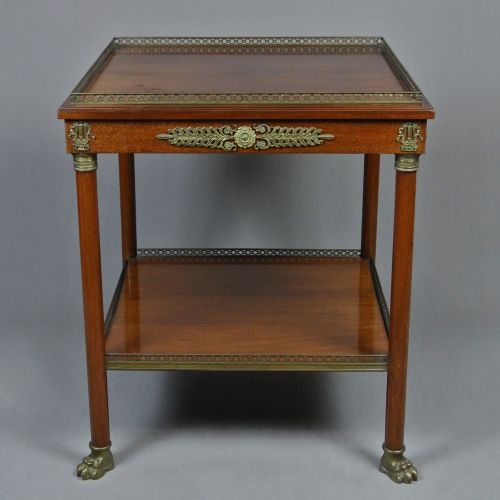
The crispness of carved ornamentation and the weight and finish of brass mounts reveal the standard of workshop execution.
Proportion and stability define the superior pieces, where pedestals and tripod legs balance the upper surfaces with architectural harmony.
Mahogany and rosewood are the most frequently recorded timbers across the selection.
Gillows
The Regency Lamp Tables Glossary
- Regency
- A British design period spanning the early nineteenth century, characterised by direct inspiration from classical Greek, Roman, and Egyptian motifs.
- Occasional table
- A small, movable piece of furniture designed for a specific, transient use rather than permanent placement.
- Wine table
- A compact table with a circular top, traditionally used for holding glasses and bottles during evening gatherings.
- Tilt top
- A tabletop hinged to its pedestal, allowing the surface to fold vertical when not in use for convenient storage.
- Ormolu
- Gilded bronze ornamentation applied to furniture and lighting, providing a bright metallic contrast against dark timbers.
Regency Lamp Tables: Frequently Asked Questions
What distinguishes a Regency lamp table from a wine table?
Lamp tables generally feature stable four-legged bases or fixed pedestals suited to holding steady illumination.
Wine tables often employ tilting mechanisms and smaller circular tops designed originally for the evening glass.
How do I identify a genuine Regency piece from a revival?
Genuine pieces display the timber shrinkage, hand-cut joinery, and patination characteristic of early nineteenth-century workshops.
Revivals from the twentieth century often reveal standardised machine methods and different secondary timbers beneath the polish.
Where should I place a Regency lamp table in a modern room?
These compact tables fit naturally beside seating areas, serving as functional stands for reading lights or decorative objects.
Their classical proportions also allow them to stand freely in hallways or empty corners as accent furniture.
What woods were commonly used for these tables?
Mahogany and rosewood dominate the selection, prized for their deep grain patterns and ability to take a high polish.
Alternative timbers such as pollard oak, fruitwood, and birdseye maple appear in specific decorative variations.