





Regency Hall Mirror
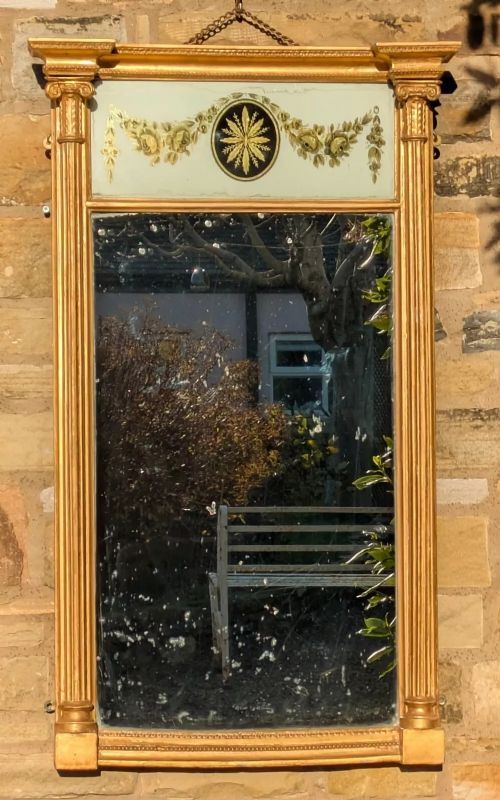
A regency hall mirror brings dramatic scale and reflected light to an interior, combining architectural presence with functional elegance.
Regency Hall Mirror
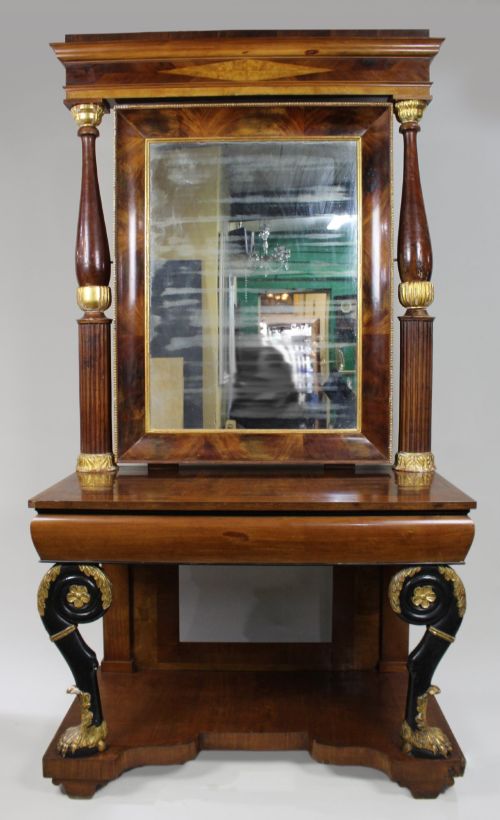
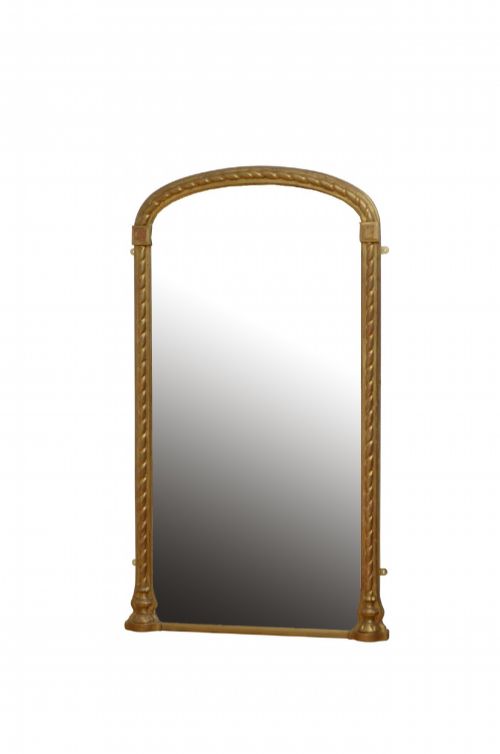
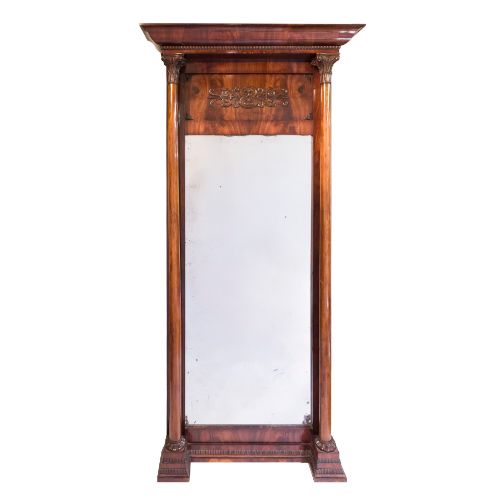
A regency hall mirror is designed to anchor an entrance space, frequently appearing as a tall pier mirror or wall-hanging glass. The pieces found here span the nineteenth century, including Georgian and Regency periods alongside later Victorian and mid-century interpretations.
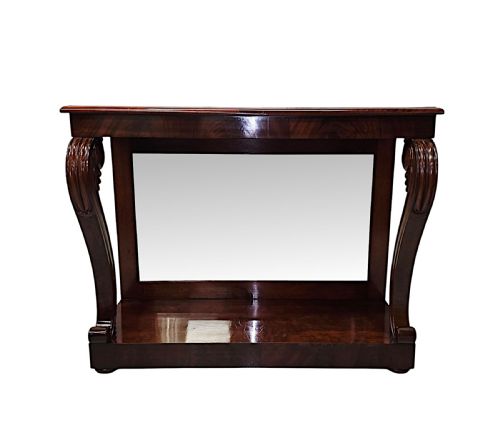
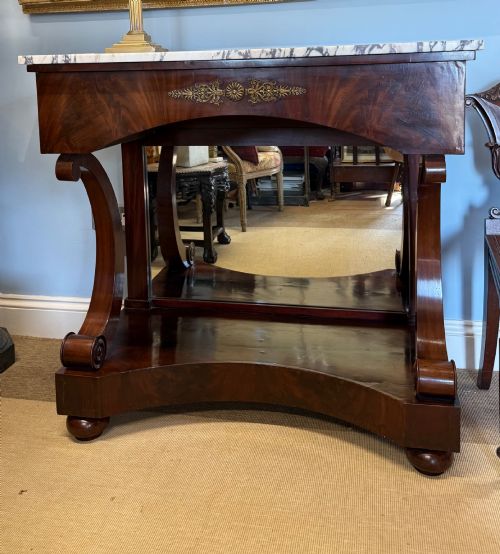
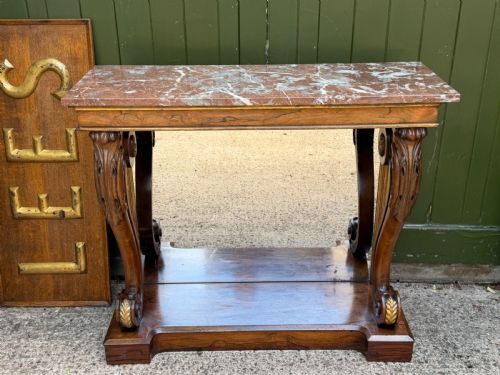
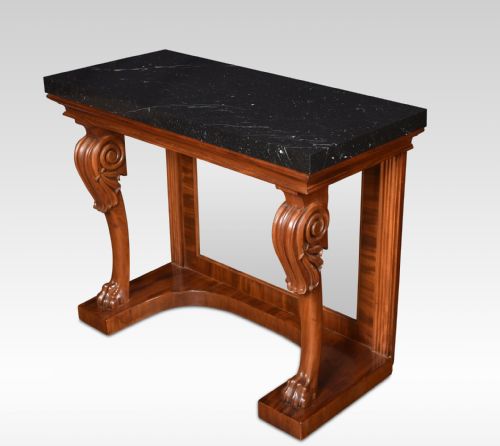
Many examples are paired with matching console tables, incorporating marble tops and mirror backs that amplify the sense of space. The forms range from neat gilt hanging frames to substantial mahogany and rosewood wall mirrors.
Materials and construction
Construction relies heavily on timbers such as mahogany, rosewood, and occasional exotic veneers, often enriched with parcel-gilt details or brass mounts. Giltwood and gesso frames provide the reflective luminance characteristic of the period.
Specialised techniques include verre eglomisé panels set into the glass plates and intricate rope carving along the wooden mouldings. Marble tops on the associated console tables add weight and formal contrast to the polished timber frames.
Regency Hall Mirror Retail Price Guide 2026
Typical asking prices for regency hall mirror among the pieces listed under this phrase on Sellingantiques today, from the lower quarter to the upper quarter. They describe what is for sale here now, not the wider market.
Some mirrors include hidden verre eglomisé panels that secretly watch over the hallway.
Distinctions in quality
Quality rests in the crispness of the carved details and the depth of the gilding applied over gesso grounds. Finer pieces demonstrate superior timber selection, such as figured flame mahogany or richly grained rosewood.
The integrity of the original glass plate and the precision of joinery in console tables and frame corners distinguish standard production from exceptional craftsmanship.
Gillingtons of Dublin
The Regency Hall Mirror Glossary
- Pier mirror
- A tall mirror specifically designed to hang on the wall between windows or above a console table. These pieces maximise light in smaller hallways.
- Verre eglomisé
- A cold painting and gilding technique applied to the reverse of glass panels. It creates decorative borders or pictorial scenes within the mirror frame.
- Parcel-gilt
- A decorative treatment where only specific portions of a wood frame receive gold leaf. This highlights carved details against a dark timber background.
- Console table
- A table supported against a wall by console brackets or legs, frequently surmounted by a mirror. They often feature inset marble tops.
Regency Hall Mirror: Frequently Asked Questions
Where should I hang a hall mirror?
These mirrors suit narrow entranceways, placed above a console table to reflect light and create a sense of depth.
Ensure the wall construction can support the weight of heavy timber or giltwood frames before installation.
How do I identify a Regency period piece?
Look for neoclassical motifs, giltwood finishes, and specific timber choices like rosewood and flame mahogany characteristic of the early nineteenth century.
Construction methods and secondary woods often help confirm the age against later Victorian revivals.
Can I use a pier mirror without a console table?
Many wall mirrors and pier glasses function independently as focal points in a hallway or reception room.
Standing leaner mirrors simply rest against the wall, while hanging models require secure wall fixings.
What is a mirror-back console table?
This form integrates the console table with a tall mirror that sits flush against the back edge of the marble top.
The combined piece maximises reflected light and was traditionally used in grand entrance halls.