
Regency Framed Art
Regency framed art brings together intimate portrait miniatures and delicate silhouettes that capture the character of the period on paper, canvas, and glass.
Regency Framed Art
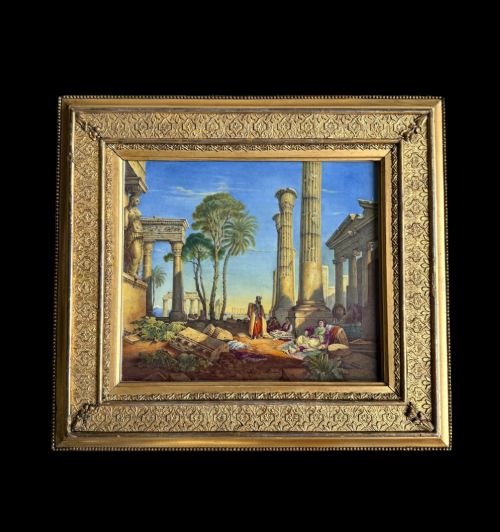
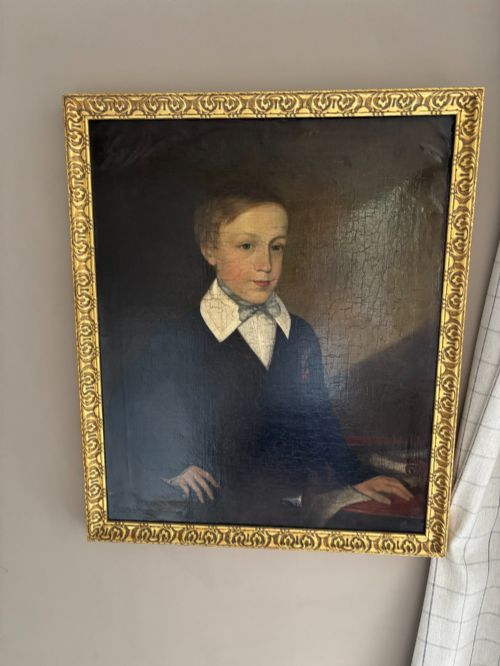
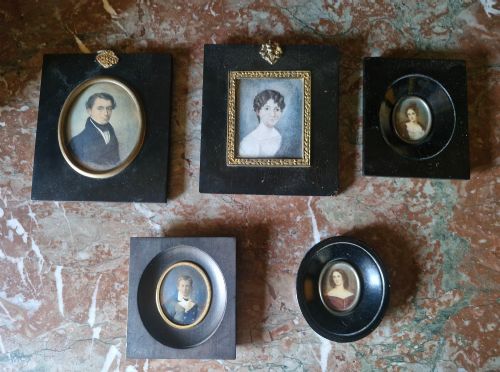
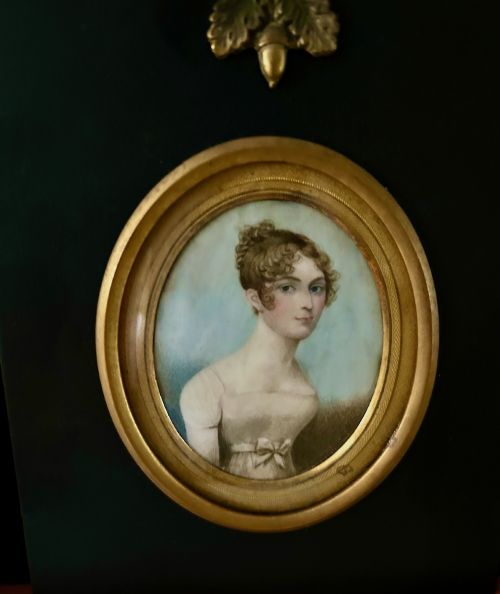
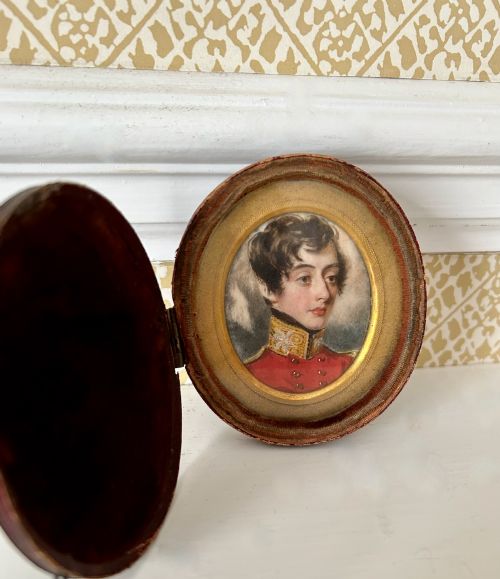
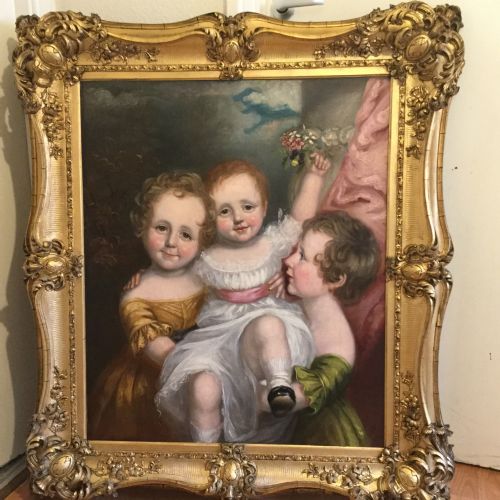
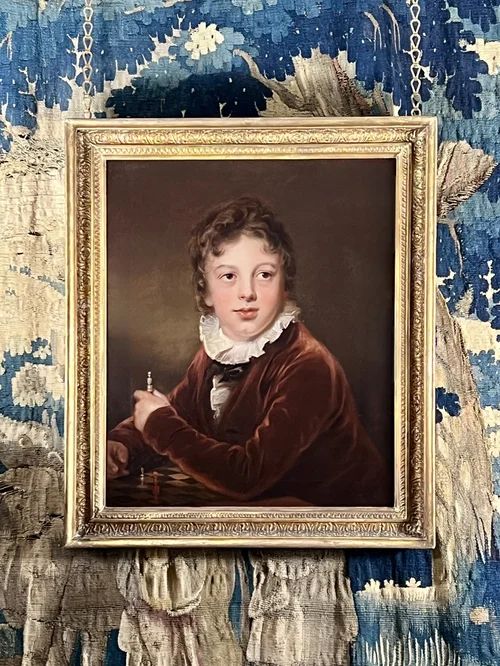
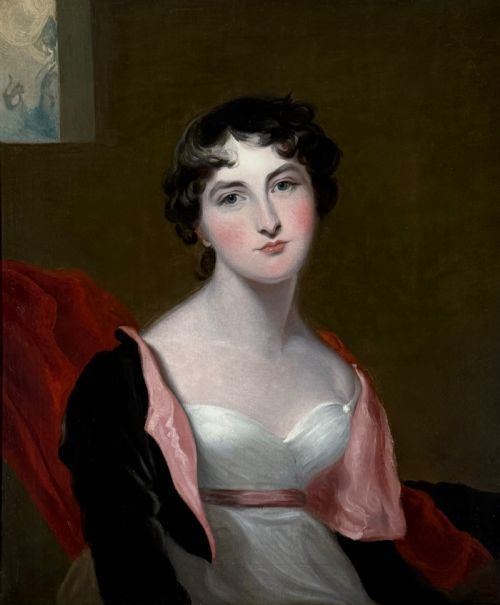
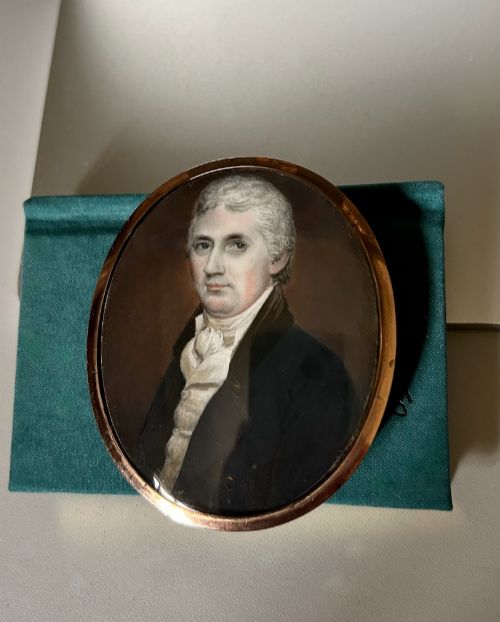
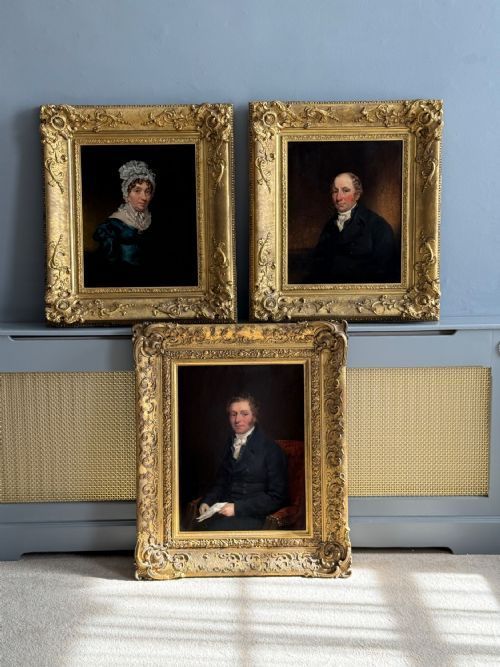
When searching for regency framed art, buyers encounter a rich assortment of portrait miniatures, silhouette profiles, and oil paintings that reflect early nineteenth-century portraiture and classical scenes. The selection on this page relies heavily on nineteenth-century and Regency-era works produced in media ranging from delicate watercolours to detailed oil on panel.
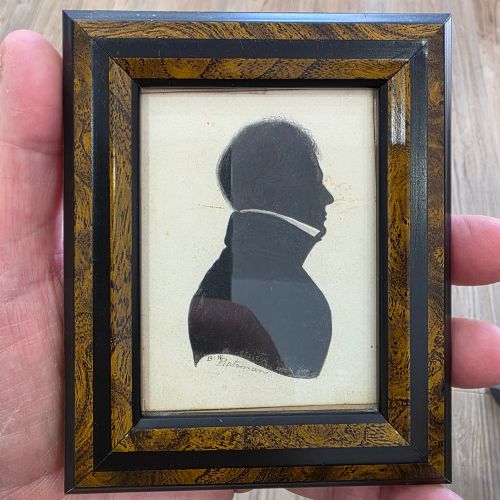
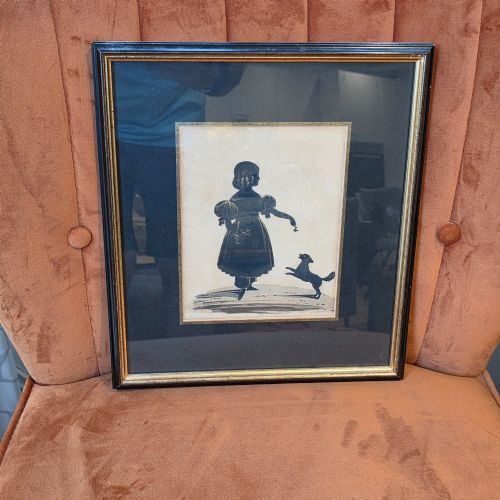
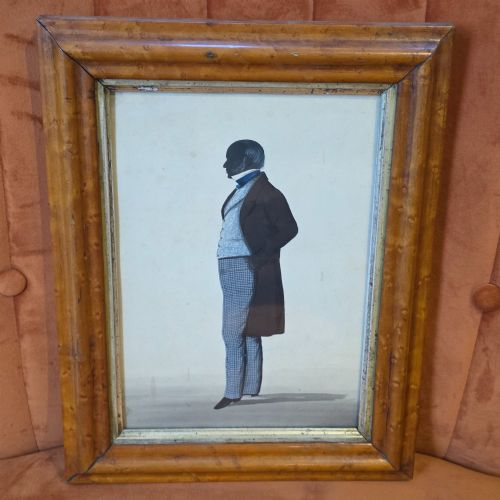
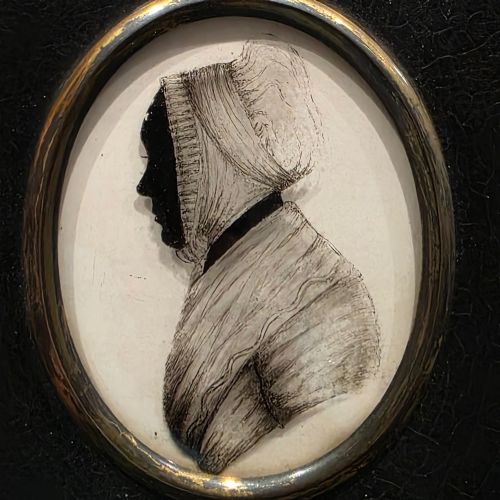
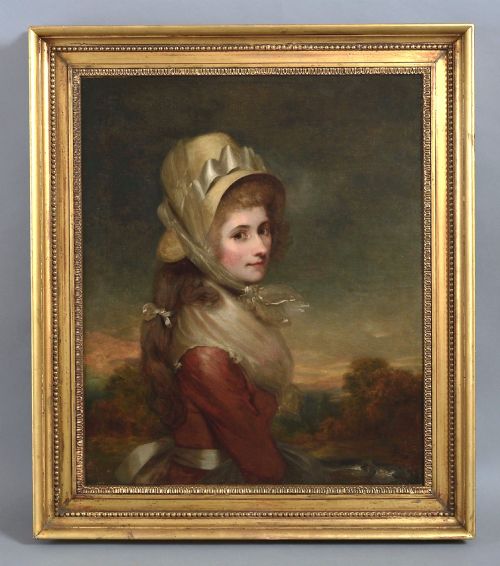
Profile silhouettes cut from paper, painted on glass, or rendered in gilded detail dominate the physical evidence alongside formal oil portraits of ladies, gentlemen, and children. Many of these framed pieces preserve the likenesses of named individuals from the Georgian and Regency periods, framed within period wood and giltwood surrounds.
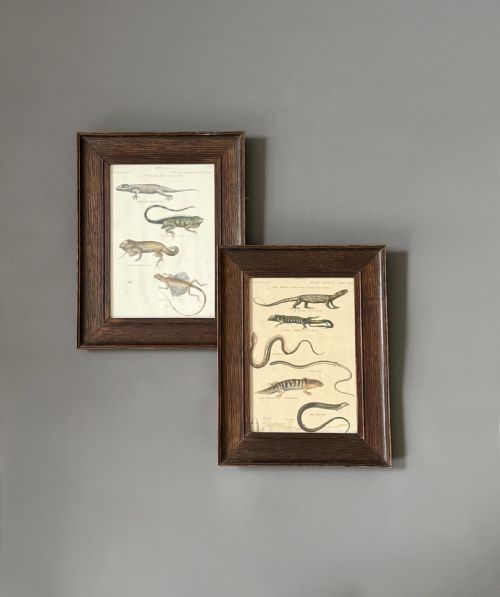
Beyond individual portraits, the inventory includes botanical studies, classical genre paintings, and collections of Grand Tour intaglios that demonstrate the broader visual culture of the era. These works span the late eighteenth century through the mid-nineteenth century, maintaining a strong focus on British portraiture and pastoral watercolours.
How they were made
Artists of the period relied on paper, canvas, and glass as the primary grounds for their work, applying watercolours, oil paint, ink, and enamel with fine precision. Silhouette makers cut black paper by hand or painted directly onto glass with reverse painting techniques, sometimes adding gold leaf highlights to enhance the garments and accessories.
Oil paintings on canvas and panel utilised traditional layering methods to achieve depth in portraiture, while portrait miniatures on enamel or delicate card required microscopic brushwork. These visual elements were then secured within timber frames, frequently finished in giltwood or gold leaf to complement the interior aesthetics of the era.
The object types recorded in the inventory span portrait miniatures, botanical watercolours, silhouette profiles, and Grand Tour intaglio collections.
What varies in quality
The distinction between ordinary output and superior pieces rests upon the precision of the handwork, particularly in the delicate cutting of a silhouette or the facial expression within a portrait miniature. Works attributed to known artists or accomplished schools display a sharper command of proportion, lighting, and likeness.
The preservation of the original framing, whether giltwood or polished wood, heavily influences the integrity of the piece. High-quality examples retain their early glass, undisturbed backing materials, and legible signatures or period inscriptions that establish the historical context of the sitter.
William James Hubard·Joseph Clover·Sir Martin Archer Shee·James Sharples·Henry Bone·John Opie·William Joseph Shayer Senior·Thomas John Horsley·Horace Hone·Samuel De Wilde·Alfred Lyndon Grace·James Gillespie·Augustin Edouart·Sir William Beechey·Richard Cosway·John Russell
The Regency Framed Art Glossary
- Silhouette
- A profile portrait cut from paper or painted on card or glass, usually in black. This form gained immense popularity during the Georgian and Regency periods as a quick and affordable likeness.
- Miniature
- A small-scale portrait painted with exceptional detail on ivory, vellum, or card. These portable works were frequently framed for desktop display or worn as personal tokens.
- Reverse painting on glass
- A technique where the artist paints directly onto the underside of the glass, viewing the finished image through the front. This method creates a glossy, preserved surface common in early portraiture.
- Intaglio
- A gem or impression carved with a depressed design, popular during the Grand Tour. Collectors of the period arranged these classical carvings together in dedicated frames.
- Giltwood
- Wood that has been coated with a thin layer of gold leaf or gold paint. This finish defines the characteristic bright frames associated with Regency wall art.
Regency Framed Art: Frequently Asked Questions
What is a silhouette portrait?
A silhouette is a profile likeness cut from black paper or painted onto a card or glass surface. These pieces capture the distinct facial contours of sitters from the Georgian and Regency eras.
Artists used scissors or brushes to create these shadows before framing them in wood or giltwood for domestic display.
How were portrait miniatures displayed?
Portrait miniatures were painted on a small scale to be held in the hand, worn as personal jewellery, or hung in compact groups on a wall. Their intimate size required exceptional skill from the painter.
They were typically housed in small protective frames featuring glass fronts and metalbezels to preserve the delicate pigments.
What subjects appear in Regency art?
The visual record of the era focuses heavily on portraiture, including depictions of officers, children, and society figures. Artists also recorded botanical studies, classical scenes, and sporting moments.
These subjects reflect the personal interests and domestic tastes of collectors during the early nineteenth century.
How do you date these framed pieces?
Dating relies on the style of dress, the framing materials, and any handwritten notes or signatures found on the reverse of the work. Costume details such as collars and hairstyles offer clear chronological markers.
Physical evidence like early glass, old backing papers, and timber construction further help confirm the period of origin.