


Regency Drop Leaf Dining Table
A regency drop leaf dining table offers clever engineering for compact spaces, pairing folding leaves with the rich grain of nineteenth-century timber.
Regency Drop Leaf Dining Table
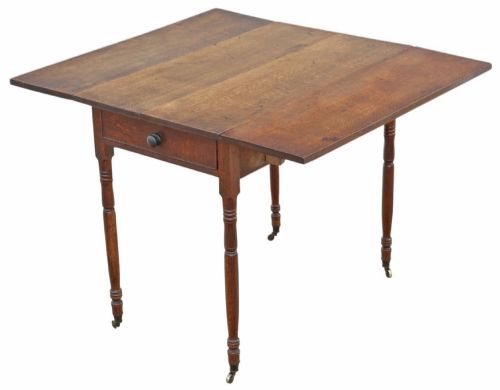
When searching for a regency drop leaf dining table, a buyer encounters flexible furniture designed to expand for dinner parties and fold away for daily room. The examples seen across these records span the Georgian, Regency, and Victorian periods, with many pieces dating from around eighteen-twenty.
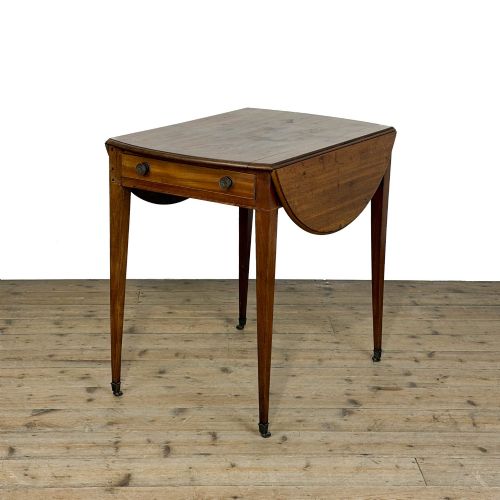
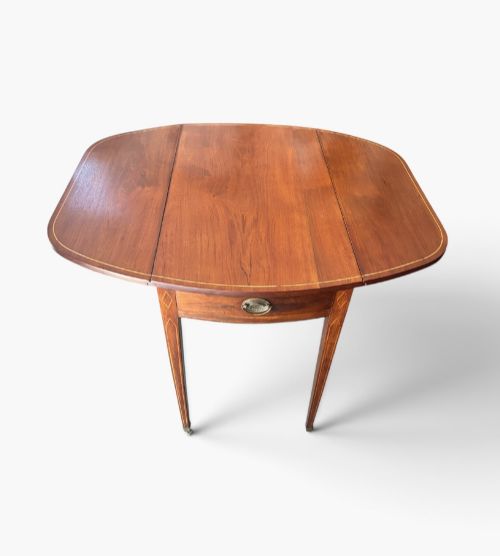
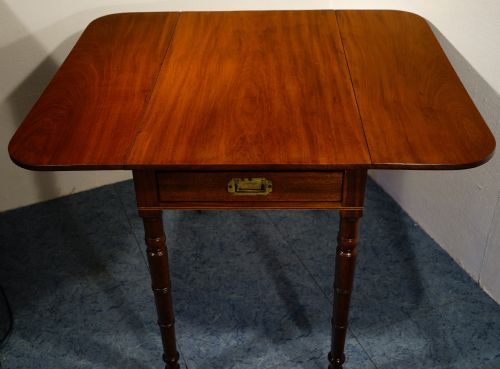
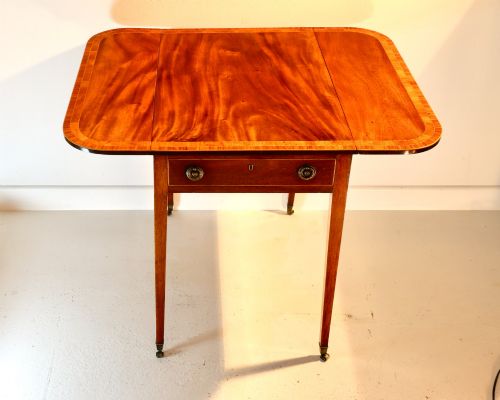
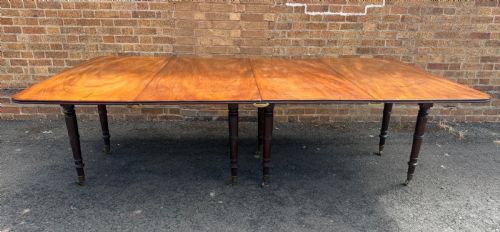
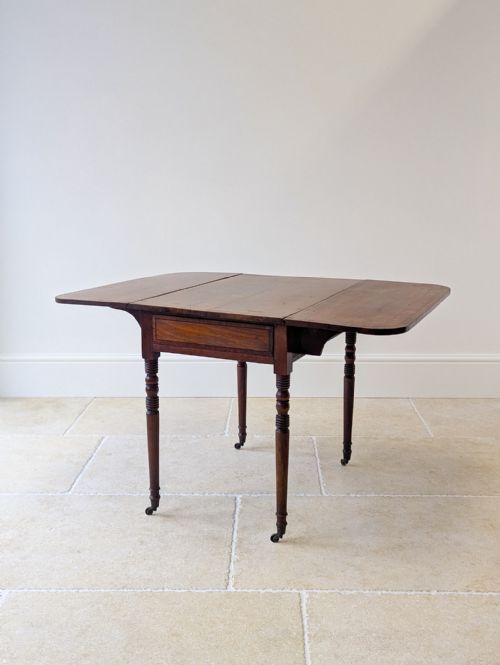
Forms range from smaller Pembroke tables with single drawers to substantial gateleg and pedestal tables seating up to twelve persons. Mahogany dominates the listings, frequently accompanied by oak, fruitwood, and occasional satinwood or boxwood inlay.
Proportions vary from intimate four-seater breakfast tables to large Irish and Scottish examples built for larger halls. The restrained design typical of the era prioritises clean lines, stability, and versatile everyday utility.
Materials and Construction
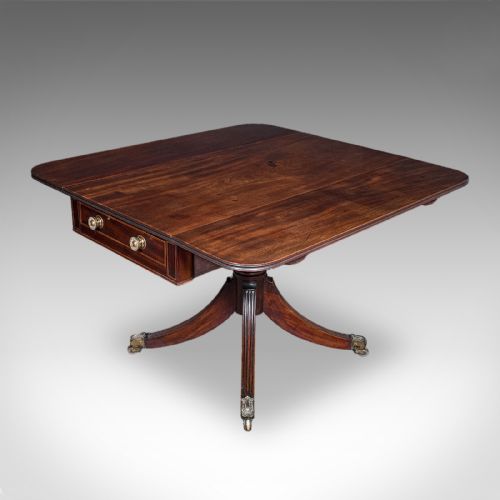
Cabinet makers relied heavily on solid mahogany and figured mahogany veneers applied over secondary timbers, often accentuating the grain with polished finishes. Inlays of boxwood and satinwood provide subtle contrast along table edges and drawer fronts.
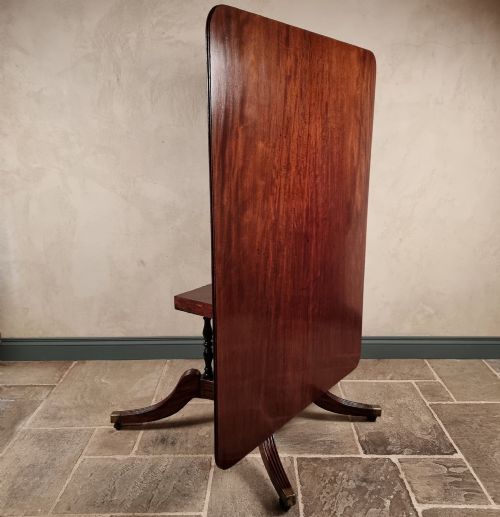
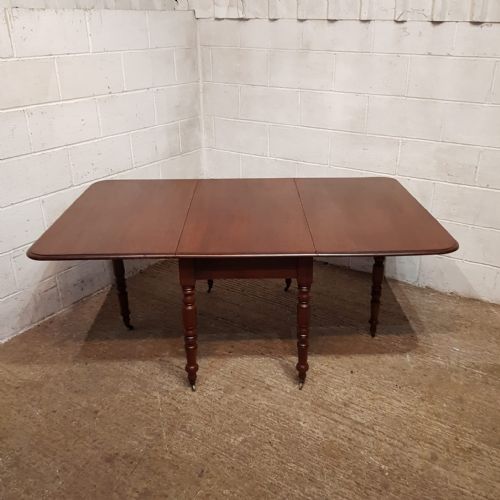
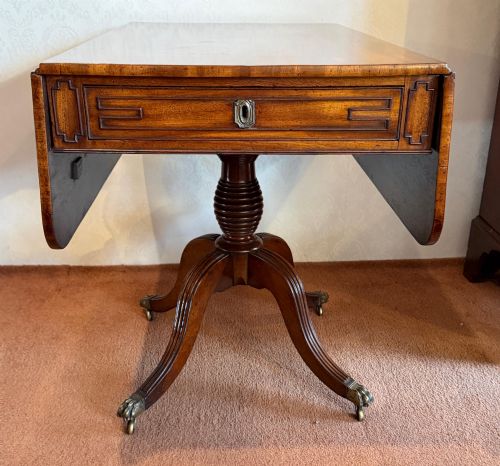
Structural support relies on clever gateleg mechanisms, pillar supports, and central columns, frequently mounted on brass castors for mobility. Solid oak and fruitwood appear in provincial or kitchen pieces, demonstrating durable regional joinery.
Some clever deception tables disguised storage and serving functions behind elegant folding leaves.
Distinctions in Execution
Superior examples display finely figured timber selections, such as plum pudding mahogany, matched carefully across the folding leaves and central top. The precision of the drop leaf hinges and the stability of the gateleg action separate workshop standards.
Subtle details like boxwood stringing, original brass castors, and crisp mouldings indicate higher levels of craftsmanship. Proportion and restraint in the turned pedestal columns further distinguish finer pieces from simpler provincial variants.
Morison of Ayr·Gillows
The Regency Drop Leaf Dining Table Glossary
- Pembroke table
- A small rectangular table featuring two hinged drop leaves on opposing sides, often equipped with a single drawer. These versatile pieces served as breakfast or occasional tables in fashionable parlours.
- D-end table
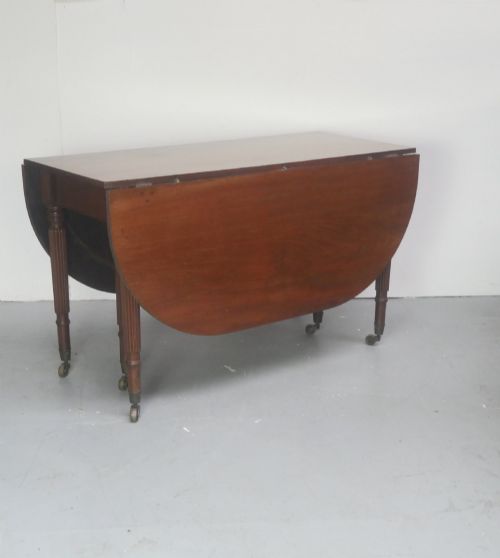
- A dining table whose end sections form semicircles, which can stand alone as side tables or join together with leaves to create an extended surface. They gained popularity during the late Georgian and Regency eras.
- Gateleg table
- A table with hinged flaps supported by legs that swing outward like gates. This clever mechanism provides sturdy support for the drop leaves when extended.
- Boxwood inlay
- Narrow strips or geometric patterns of pale boxwood embedded into darker primary woods for contrast. This decorative technique frames table tops and drawer borders.
Regency Drop Leaf Dining Table: Frequently Asked Questions
How many people do these tables seat?
Capacities range from compact four-seater breakfast tables to large gateleg and pedestal formats accommodating eight, ten, or twelve diners.
Larger dimensions are achieved through extending D-end sections or wide drop leaves supported by sturdy swing gates.
What is the difference between a Pembroke and a drop leaf table?
A Pembroke table is a specific compact form of drop leaf table typically featuring two smaller hinged flaps and a drawer.
General drop leaf dining tables often lack drawers and are built on a larger scale to function as primary dining surfaces.
Are these tables suitable for daily dining?
Solid mahogany and sturdy gateleg construction make these tables durable for regular meals and family gatherings.
The folding leaves allow users to reduce the footprint when floor space is needed.
How do I identify a Regency period table?
Key indicators include restrained classical design, mahogany or figured veneers, pedestal columns, and original brass castors.
Many pieces also incorporate boxwood stringing and date from approximately eighteen hundred to eighteen thirty.