





Regency Desk Urns
Regency desk urns are classical metal or marble vessels adapted for writing tables, bringing architectural dignity and practical function to a study.
Regency Desk Urns
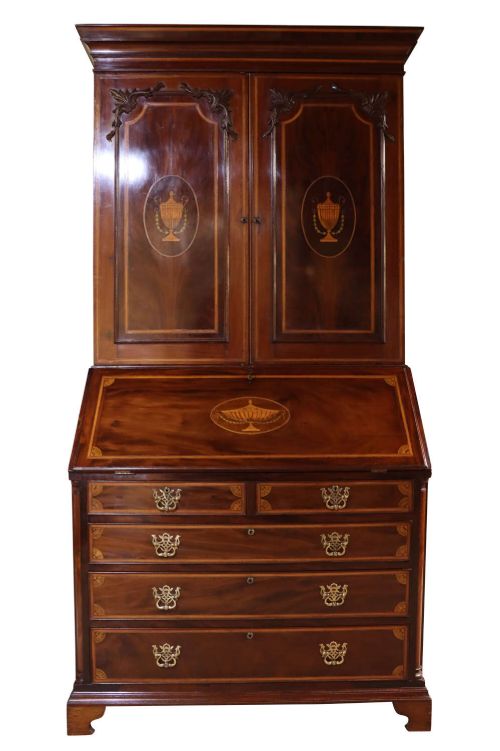
When you search for regency desk urns, you encounter formal vessels rooted in classical antiquity, often taking the form of inkwells and encriers designed for the writing table. These desk accessories draw on Neoclassical, Empire, and William IV styles, bringing sculptural presence to a desk or bureau bookcase.
The pieces available typically combine heavy stones with cast metals, reflecting the materials of the nineteenth century. While some examples originate directly from the Regency era, others emerge from later revivals or nineteenth century interpretations.
The selection ranges from fitted marble inkstands to mounted gilt bronze vessels and converted urns. Each piece displays the architectural proportions and restrained ornamentation characteristic of classical revival deskware.
Materials and construction
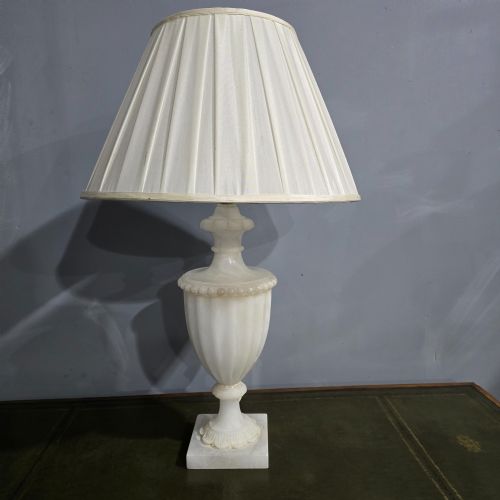
The construction of these desk vessels relies on the pairing of dense natural stone with cast and chased metal components. Artisans utilised Sienna marble and alabaster to form heavy, stable bases that anchor the composition.
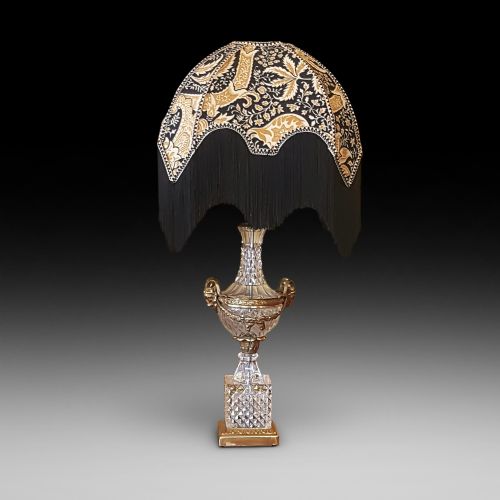
Gilt bronze and ormolu provide the decorative surface elements, applied to brass and metal bodies through traditional casting and gilding methods. This combination of stone and metal gives the desk urns their characteristic weight and contrast of textures.
Regency Desk Urns Retail Price Guide 2026
Typical asking prices for regency desk urns among the pieces listed under this phrase on Sellingantiques today, from the lower quarter to the upper quarter. They describe what is for sale here now, not the wider market.
Materials recorded across the inventory include Sienna marble, alabaster, brass, gilt bronze, ormolu, and inlaid mahogany wood.
Assessing quality and craftsmanship
The distinction between ordinary and exceptional examples lies in the crispness of the metal chasing and the selection of the stone base. Finer pieces display sharply defined classical motifs in the gilt bronze and unblemished, richly figured Sienna marble.
Construction details also separate tiers of quality, particularly in the precision with which metal mounts fit against stone bodies. Superior desk vessels maintain balanced proportions and harmonious integration of disparate materials without visible gaps in the assembly.
The Regency Desk Urns Glossary
- Encrier
- A portable inkstand or inkwell fitted for a desk, often incorporating containers for ink, sand, and pens. These desk accessories range from simple stone blocks to elaborate mounted vessels.
- Ormolu
- Finely ground high-carat gold applied to a bronze base using a mercury amalgamation process, yielding a rich metallic lustre. This technique protects the underlying bronze while providing a decorative golden finish.
- Sienna marble
- A yellow-brown Italian marble featuring dark grey or purple veins, highly prized for its decorative figure. It frequently serves as a contrasting base for nineteenth century metalwork.
- Neoclassical
- A style spanning the late eighteenth and nineteenth centuries that draws direct inspiration from the art and architecture of classical Greece and Rome. It emphasises symmetry, restraint, and classical motifs such as urns and acanthus leaves.
- Bureau bookcase
- A large piece of furniture combining a sloping desk flap for writing with upper shelving for books. These often incorporate fitted compartments and drawers suitable for housing desk urns and inkstands.
Regency Desk Urns: Frequently Asked Questions
What is a desk urn used for?
Desk urns serve as decorative and functional desk accessories, historically functioning as inkwells or sanders for correspondence.
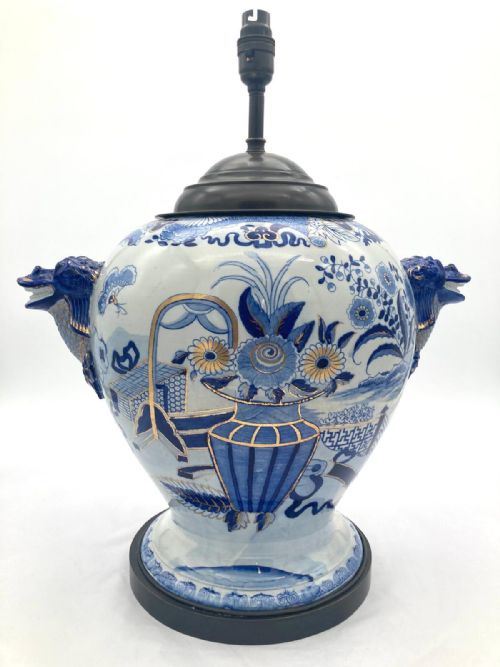
Today, many survive adapted as table lamps or retained on bureau bookcases as sculptural elements of nineteenth century study decor.
How do I date a regency desk urn?
Dating relies on examining the casting quality of the metal mounts, the geological characteristics of the marble, and the assembly methods used underneath.
Pieces from the nineteenth century typically exhibit hand-chased details and dense stones, whereas later revivals often show machine-tooled elements.
Where should I place a desk urn?
These pieces suit traditional studies, libraries, or living rooms when placed on writing tables, sideboards, or mahogany bureau bookcases.
Their heavy marble and gilt bronze construction requires a sturdy surface that can support their substantial weight.
How do I care for marble and gilt bronze?
Maintain marble bases by dusting with a dry microfiber cloth and avoiding acidic liquids that can etch the polished stone surface.
Preserve gilt bronze mounts by gently removing dust without abrasive cleaners or polishes that might strip the historic surface layer.