




Regency Desk Lamp
A regency desk lamp brings classical form and warm metalwork to a workspace, offering period character alongside functional illumination.
Regency Desk Lamp
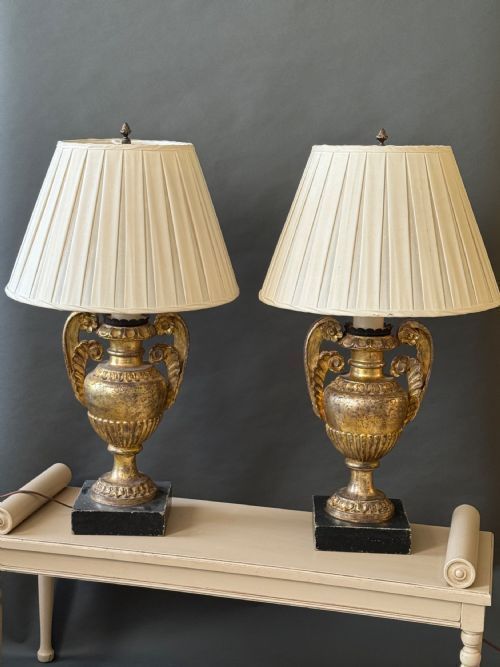
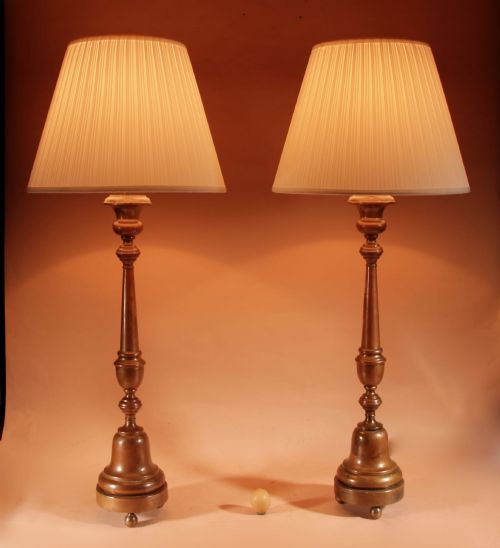
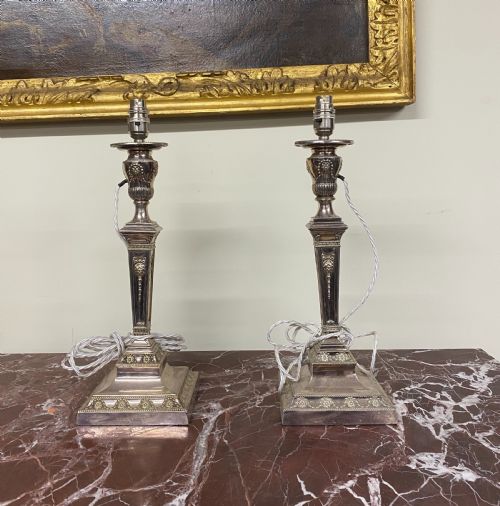
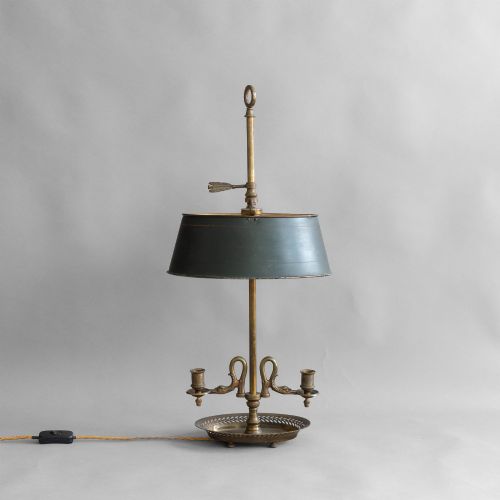
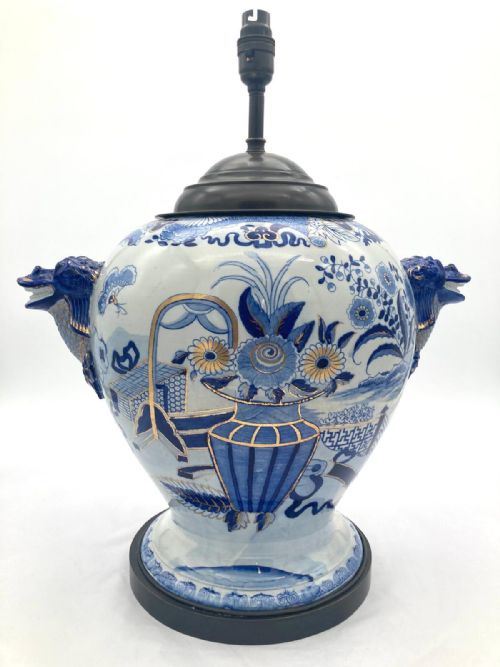
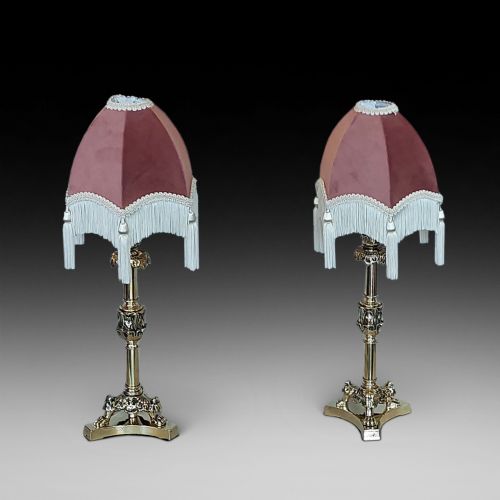
When buyers search for a regency desk lamp, they encounter items ranging from original 19th-century bronze and ormolu pieces to later conversions of candlesticks, vases, and classical columns. The most common forms on this page are metal or mahogany table lights that reflect neoclassical or Regency taste, often adapted from earlier lighting devices or side tables.
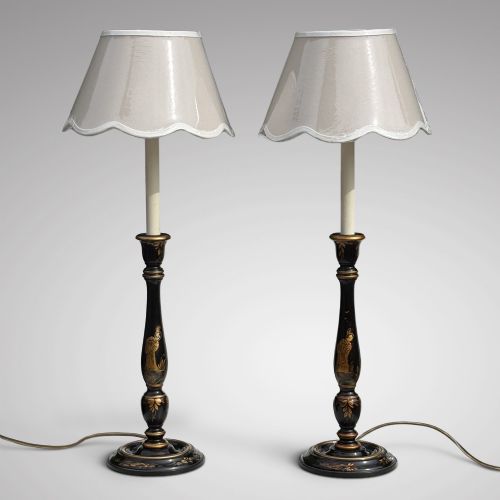
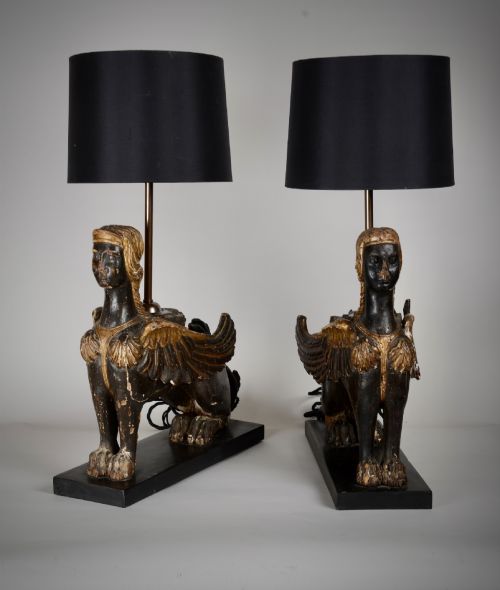
The selection includes patinated brass, gilt bronze, and carved mahogany, alongside lacquered chinoiserie and occasional table formats. These objects bridge the gap between utilitarian desk accessories and decorative sculpture, drawing on motifs such as rams' heads, sphinxes, and classical columns.
Materials and construction
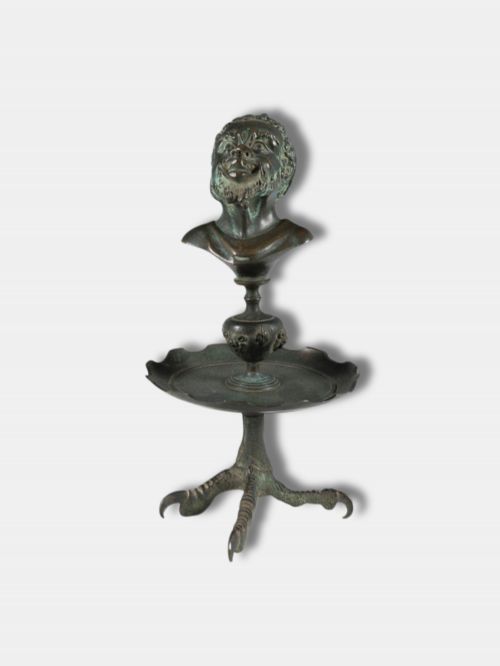
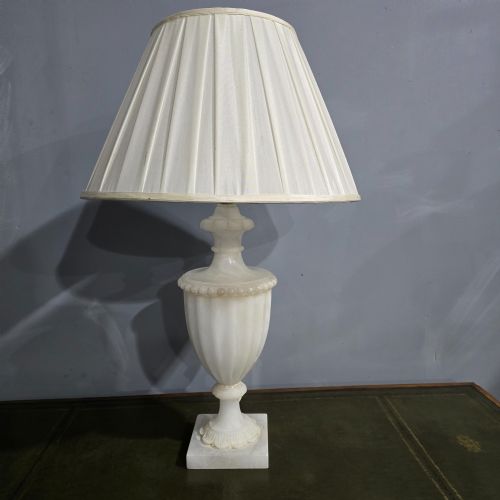
Makers utilised cast bronze, brass, and fire-gilded ormolu, frequently combining metal components with flame mahogany, alabaster, or crystal. Many examples originate as period candlesticks, oil lamps, or ceramic vases that were subsequently converted to electric light fittings.
Surface treatments involve hand-applied dark patina on bronze, black and gold lacquer for chinoiserie pieces, and precise brass mounts fixed to timber carcases. The structural integrity relies on traditional joinery for wooden supports and heavy metal casting for stable column bases.
Regency Desk Lamp Retail Price Guide 2026
Typical asking prices for regency desk lamp among the pieces listed under this phrase on Sellingantiques today, from the lower quarter to the upper quarter. They describe what is for sale here now, not the wider market.
Listings feature 19th-century brass, bronze, and flame mahogany alongside later 20th-century lacquered chinoiserie and alabaster table forms.
Standards of craftsmanship
The distinction between ordinary and superior pieces rests upon the crispness of the metal chasing, the weight of the bronze or brass, and the fidelity of the classical detailing. Finer examples display sharp definition in cast mounts like rams' heads or architectural capitals, whereas lesser items show softer edges from worn moulds.
Material selection also dictates overall merit, with genuine fire-gilding, dense flame mahogany, and heavy alabaster marking out more ambitious workshops. Conversion work varies according to how sympathetically the electrical fittings integrate with the original antique body.
Gillows·Hicks and Meigh
The Regency Desk Lamp Glossary
- Ormolu
- Gilt-bronze alloy applied to decorative mounts and ornaments. This technique involves amalgamating gold with mercury to achieve a durable golden finish.
- Neoclassical
- A style drawing inspiration from classical antiquity. It manifests in clean architectural lines, column forms, and mythological motifs.
- Chinoiserie
- European interpretation of Chinese artistic traditions. It typically employs hand-lacquered surfaces in black and gold.
- Patina
- The surface sheen developed through age and handling. On these metals, it indicates oxidation and natural wear over decades.
Regency Desk Lamp: Frequently Asked Questions
What defines a regency desk lamp?
These pieces incorporate classical motifs like bronze columns, brass mounts, and mahogany stands reflecting early 19th-century design.
They often start as converted candlesticks, oil lamps, or small side tables adapted for modern use.
How are antique lamps electrified?
Many examples began life as oil lamps, candlesticks, or vases and received wiring during later conversions.
Original bodies remain largely intact while internal channels or base mountings accommodate modern cords and bulb holders.
Where should I place one?
Their compact proportions suit writing desks, side tables, and drawing-room surfaces where directional light is required.
The heavy bronze or mahogany bases provide the stability needed for everyday desk placement.
How do I distinguish periods?
Details like crisp brass chasing, classical column orders, and flame mahogany veneers point toward the 19th century.
Later 20th-century reproductions or conversions often employ simplified casting and lighter wood selections.