


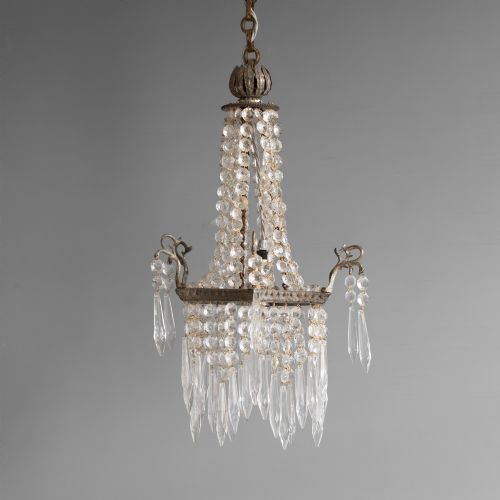


Regency Ceiling Fitting
Regency ceiling fitting describes light sources that hang overhead, combining brass and cut glass crystal to illuminate interiors.

Regency Ceiling Fitting
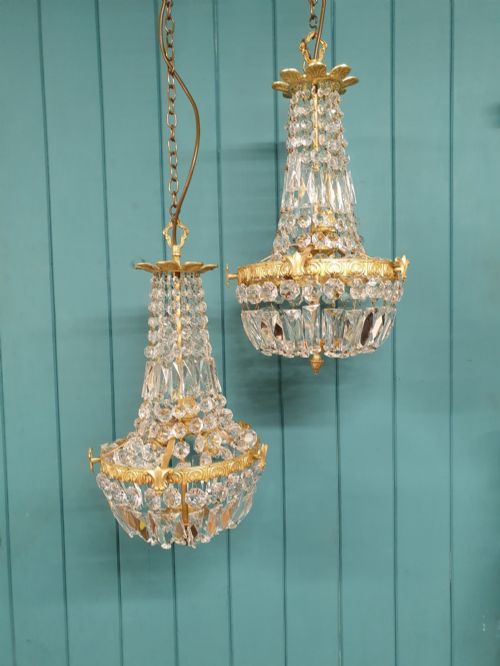
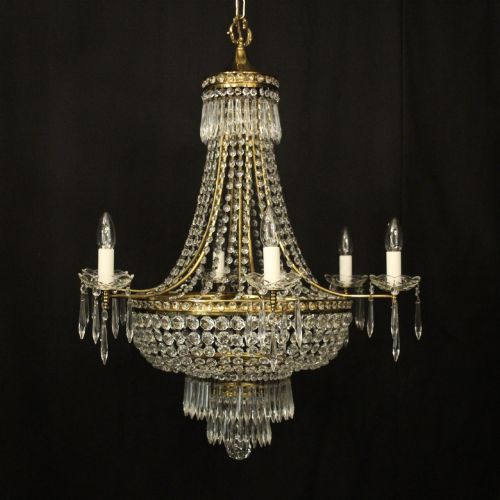
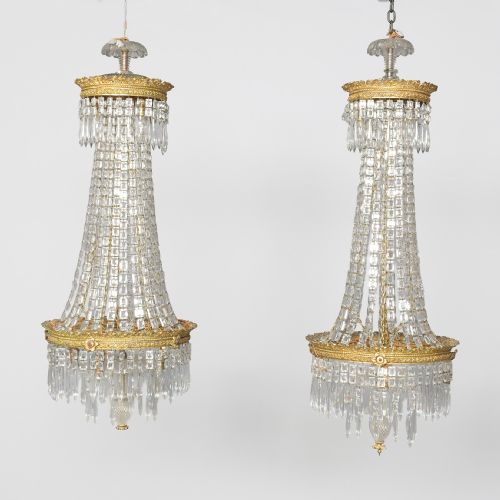
A regency ceiling fitting brings overhead illumination into a room through chandeliers, pendant lights, ceiling lights, and hall lanterns. These fixtures range from compact bag chandeliers measuring modest inches across to multi-branch examples carrying sixteen lights.
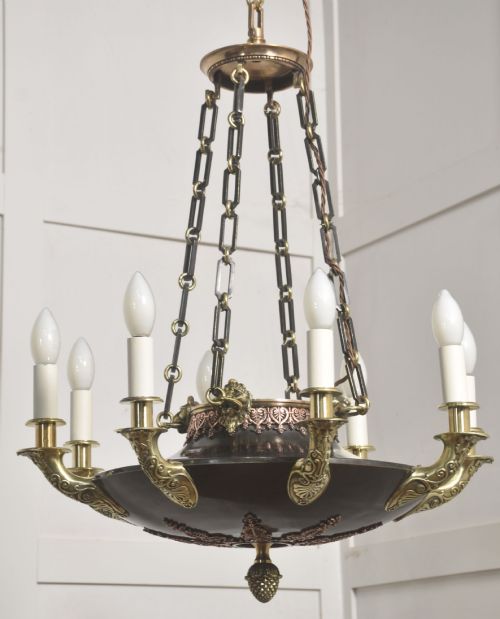
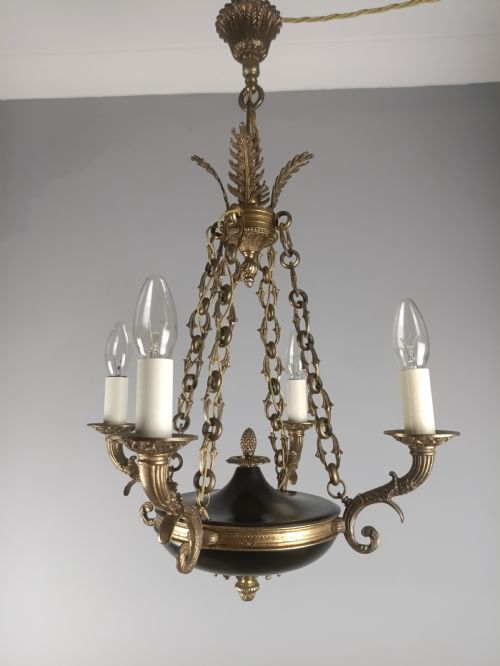
The objects appearing under this description span styles from French Empire and English Neoclassical to Empire Revival and Edwardian. While some examples date directly to the nineteenth century, many pieces reflect revival aesthetics produced around nineteen hundred and the early decades of the twentieth century.
Materials and construction
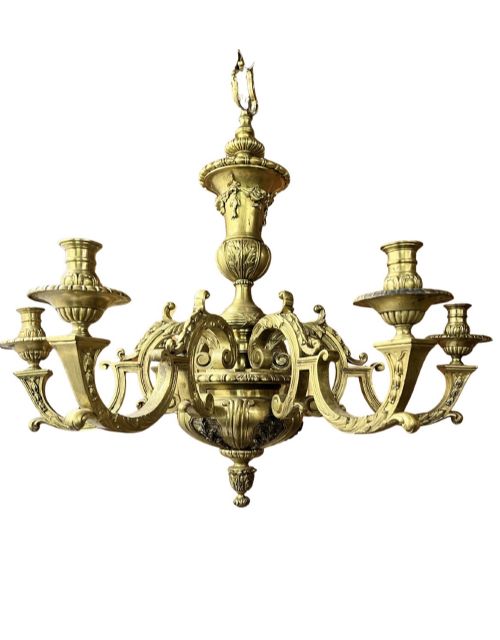
Makers constructed these fixtures using brass, gilded brass, gilt metal, gilt bronze, copper, and silver plating for the structural frames and arms. These metal components hold arrangements of crystal, cut glass, and plain glass configured into drops, beads, swags, and panels.
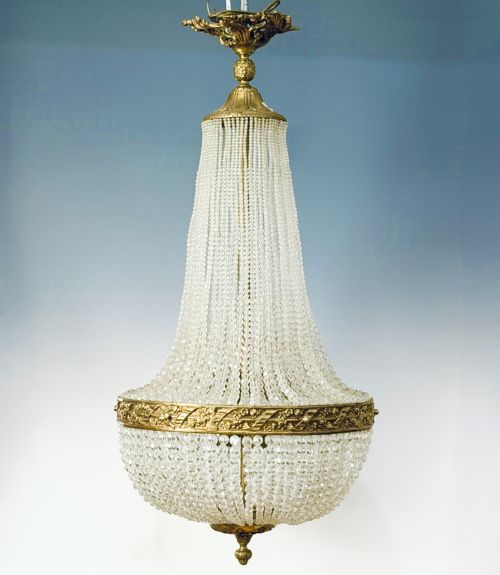
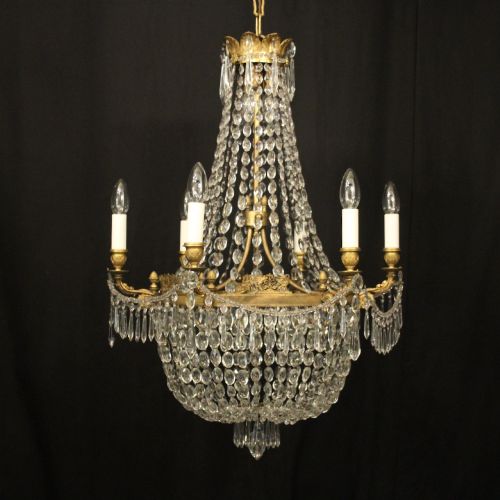
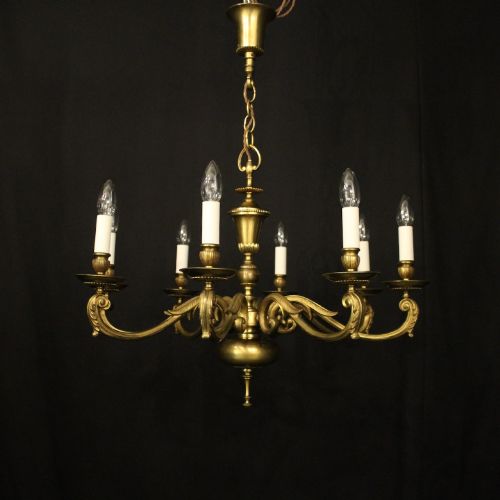
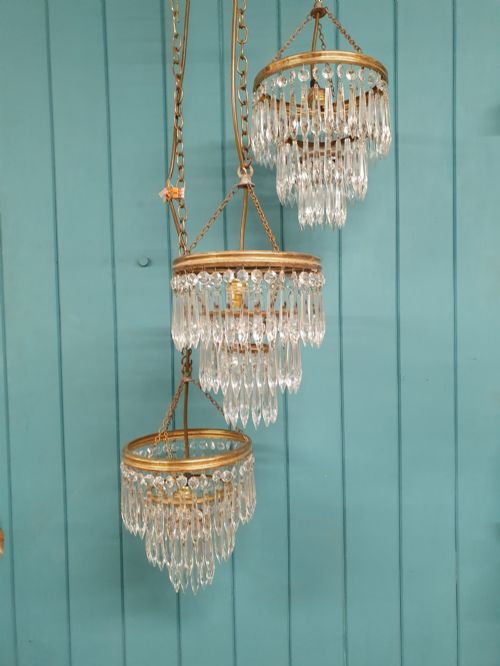
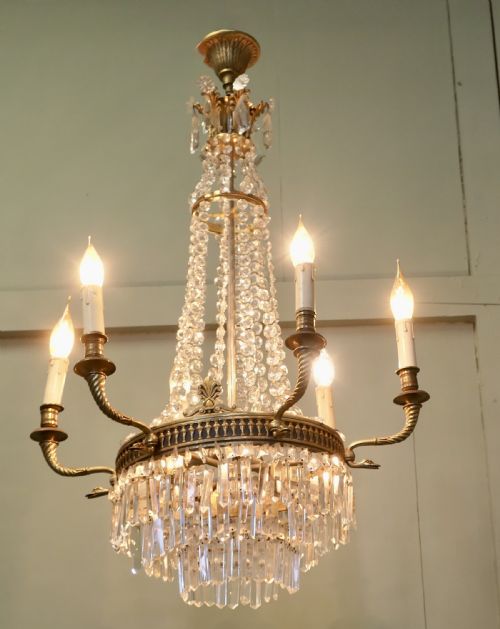
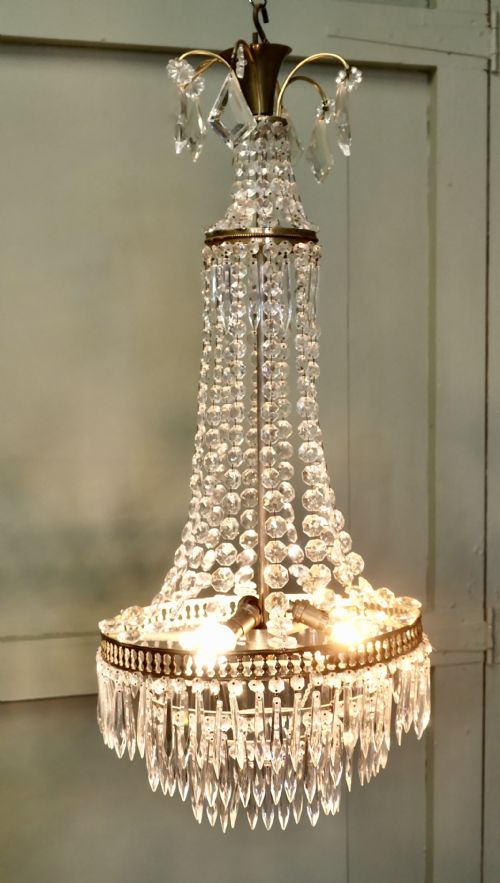
Lighting designs utilise structural forms such as tents, waterfalls, baskets, bags, and spikes to suspend and display the glass elements. Metal mounts secure the glass components while branching arms support multiple candle or bulb holders.
Regency Ceiling Fitting Retail Price Guide 2026
Typical asking prices for regency ceiling fitting among the pieces listed under this phrase on Sellingantiques today, from the lower quarter to the upper quarter. They describe what is for sale here now, not the wider market.
One delightfully specific historical designation found in the listings is the antique prison bag chandelier.
Assessing quality and character
Quality rests upon the weight and finishing of the metalwork, distinguishing solid cast and gilded brass or bronze from simpler plated alternatives. Superior frames display crisper casting detail and more substantial arm structures.
The intricacy of the glasswork separates different tiers of the range, with deep hand-cut crystal drops and complex tent and waterfall configurations creating richer light refraction than plain glass pendants.
The Regency Ceiling Fitting Glossary
- Tent and waterfall chandelier
- A lighting fixture featuring an upper canopy shaped like a tent from which strings of glass beads cascade downward over the lower structure. This form creates a layered profile that maximises the reflection of light.
- Bag chandelier
- A basket-shaped or bag-shaped hanging light enclosed in a dense web of glass drops and crystal beads. The form conceals much of the internal metal frame beneath cascading glass.
- Spike chandelier
- A vertical hanging light featuring an upright central spire surrounded by radiating candle arms. Swags of crystal often drape across the upper sections.
- Gilded brass
- A metal alloy of copper and zinc treated with a thin layer of gold leaf or gilt finish. This treatment imparts a warm reflective surface to the structural frame.
- Hall lantern
- An enclosed ceiling fitting designed specifically for narrow entrance spaces and corridors. These pieces frequently feature convex glass panels secured within metal frames.
Regency Ceiling Fitting: Frequently Asked Questions
What is a regency ceiling fitting?
A regency ceiling fitting is a hanging light fixture designed to illuminate rooms from above. These pieces typically combine metal frames with glass and crystal elements.
They encompass styles like French Empire and English Neoclassical. Formats range from simple pendant lights to large multi-branch chandeliers.
How do I hang a heavy chandelier?
Hanging a heavy chandelier requires securing the fixture directly into the ceiling joists using appropriate weight-bearing fixings. Professional installation ensures the structural support can safely bear the combined weight of the metal and crystal components.
The suspension height should be adjusted so the fitting clears household traffic while providing balanced illumination to the room.
How are different periods told apart?
Telling periods apart involves examining the casting quality of the metal and the specific configuration of the glass. Nineteenth-century examples often display heavier bronze or brass mounts with hand-cut crystal.
Revival pieces produced around the early twentieth century replicate these classical motifs using manufacturing methods typical of that later era.
Where should these lights be placed?
These ceiling fittings suit spaces that benefit from central overhead illumination and decorative presence. Hall lanterns work well in entryways and narrow corridors.
Larger tent and waterfall chandeliers find their natural home in reception rooms and dining spaces where their scale and crystal refraction can be fully appreciated.