


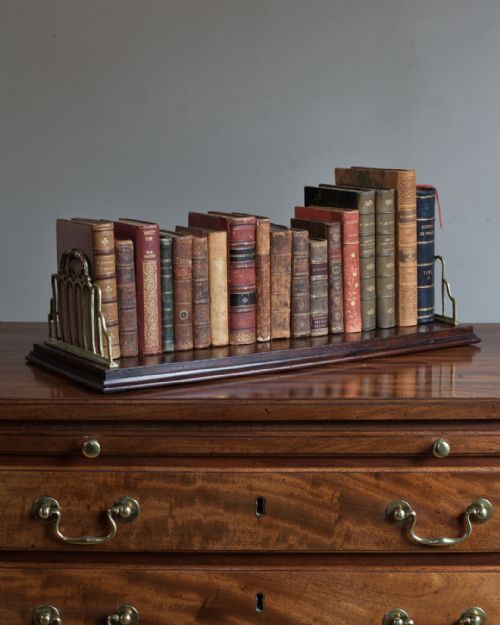
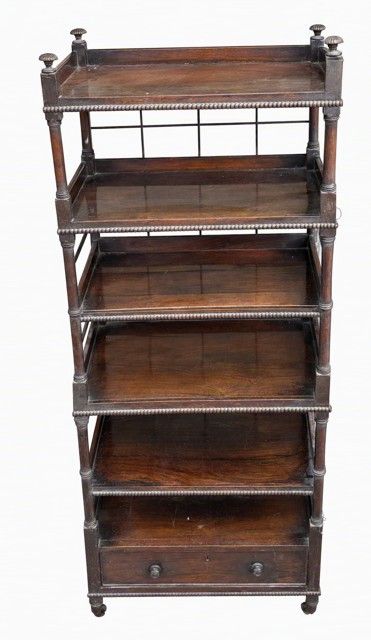

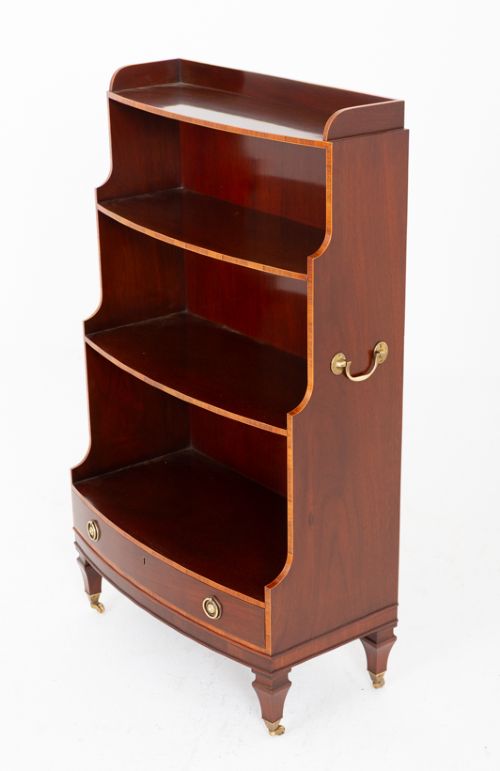
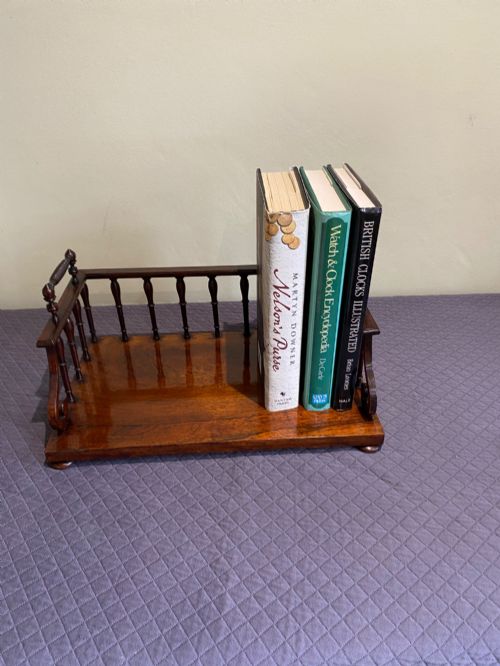



Regency Bookstand
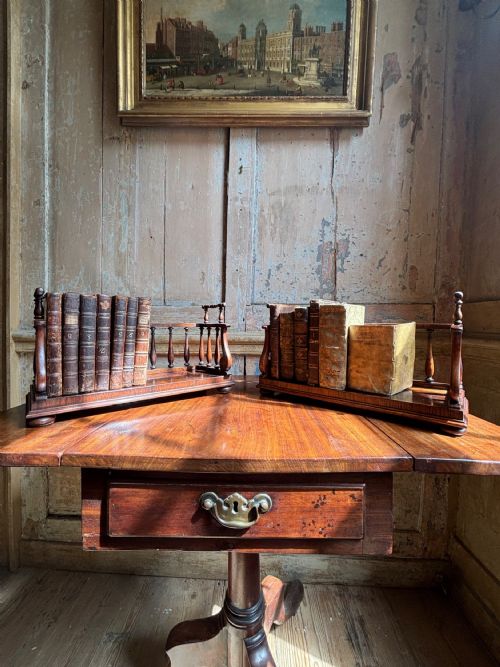
These pieces for regency bookstand display collections and support volumes across desks and tables.
Regency Bookstand
When you search for a regency bookstand, you encounter a selection of compact furniture designed to keep volumes close at hand. The pieces listed span periods from the Regency era through to the early twentieth century, including Edwardian and nineteen-twenty examples.
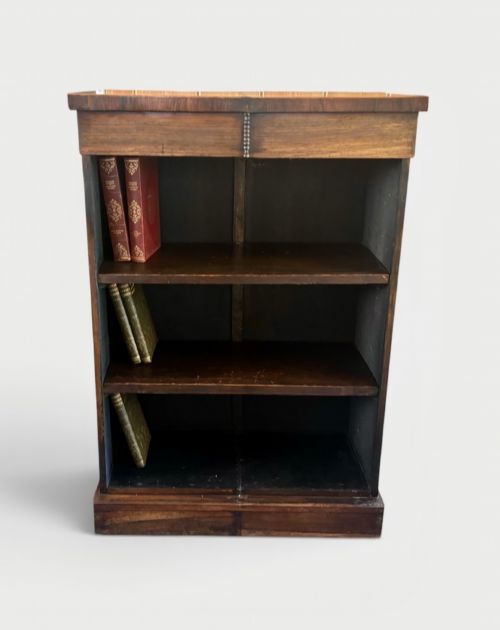
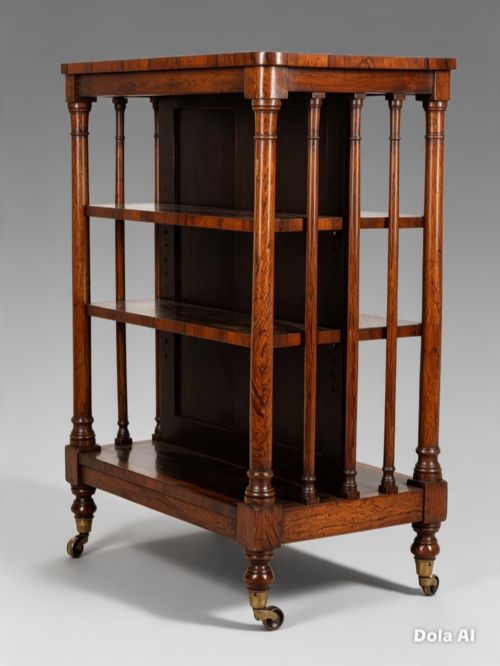
The forms vary from simple table top reading stands and extending book slides to multi-tiered whatnots and double-sided bookcases. Rosewood and mahogany dominate the listings, frequently accompanied by brass and mother of pearl details.
You are most likely to meet rosewood book carriers, rack stands, and open bookcases that reflect Regency, Regency Revival, and William IV styles. Campaign pieces and slender pillar constructions also appear amongst these selections.
Materials and construction
Cabinetmakers utilised dense hardwoods such as mahogany and rosewood to build these stands, ensuring stability for heavy volumes. Figured veneers and coromandel add decorative grain patterns to surfaces.
Metal components like brass framing and wire work provide structural support and functional movement, particularly in extending slides and folding reading stands. Mother of pearl inlay occasionally adorns surfaces for visual contrast.
Regency Bookstand Retail Price Guide 2026
Typical asking prices for regency bookstand among the pieces listed under this phrase on Sellingantiques today, from the lower quarter to the upper quarter. They describe what is for sale here now, not the wider market.
Distinguishing quality
The distinction between standard items and superior pieces lies in the selection of timber grain and the precision of the joinery. Finely figured rosewood and mahogany demonstrate careful selection by the maker.
Hardware execution also defines the standard of a piece, from the smooth operation of extending book slides to the crispness of brass mounts and turned pillars.
Gillows
The Regency Bookstand Glossary
- Book slide
- An extending device placed on a desk or table to hold a row of books upright. These often feature decorative wooden ends and metal ratchets.
- Whatnot
- An open set of multi-tiered shelves used for displaying books and decorative objects. These units utilise slender upright pillars between levels.
- Campaign
- Portable furniture designed for travel, typically featuring recessed brass handles and folding or knockdown construction.
- Waterfall bookcase
- A shelving unit where each tier is progressively deeper than the one above, creating a stepped profile.
- Double sided
- Furniture finished on both sides, allowing placement in the centre of a room rather than against a wall.
Regency Bookstand: Frequently Asked Questions
What is a regency bookstand?
A regency bookstand is a piece of antique furniture designed to hold, carry, or display books on desks, tables, or floors. These items range from small tabletop racks to multi-tiered shelving units.
They reflect the tastes of the Regency period and later revivals, utilising rich timbers like rosewood and mahogany.
How were these stands used?
Owners placed them on reading desks, sideboards, or tables to keep active volumes organised and accessible. Extending book slides adjusted to fit varying numbers of books.
Larger bookcases and whatnots served to store and display collections in libraries and living spaces.
How do I live with a book stand?
These pieces fit easily onto existing tables, desks, or open floor spaces depending on their scale. They provide functional storage for current reading material while adding traditional timber tones to a room.
Keep them away from direct heat sources to protect the polished wood surfaces and veneers.
How can I tell the periods apart?
Regency and early nineteenth-century pieces often feature rich rosewood, brass inlay, and classic pillar forms. Edwardian and nineteen-twenty examples show lighter mahogany tones and alternative construction details.
Stylistic revivals echo earlier Regency and William IV proportions using the materials available at the time of manufacture.