

Red Yomut Rug
When you seek a red yomut rug, you enter the nomadic weaving traditions of Central Asia through distinct tribal carpets, bags, and ceremonial trappings.
Red Yomut Rug
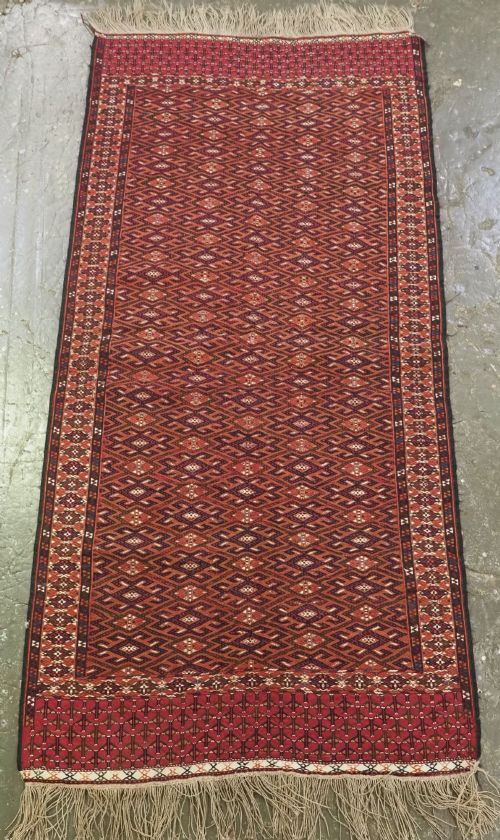
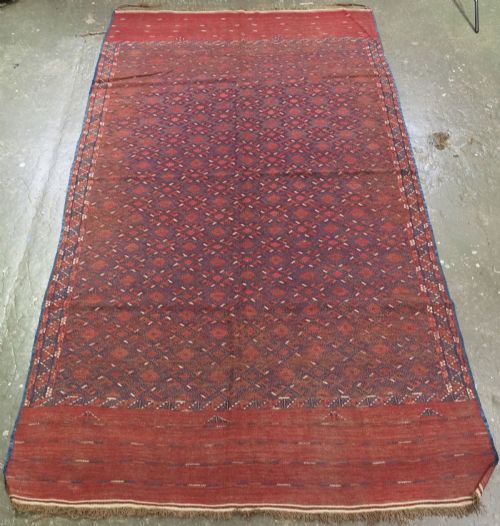
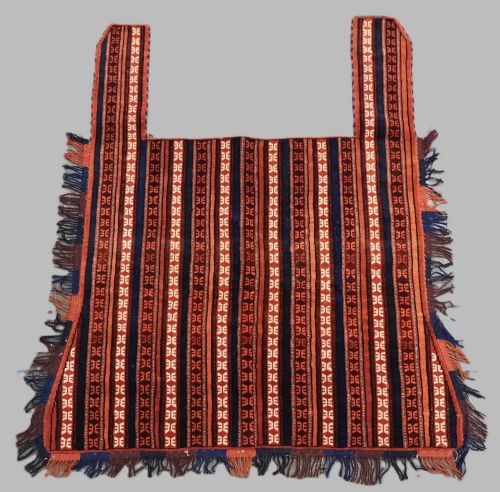
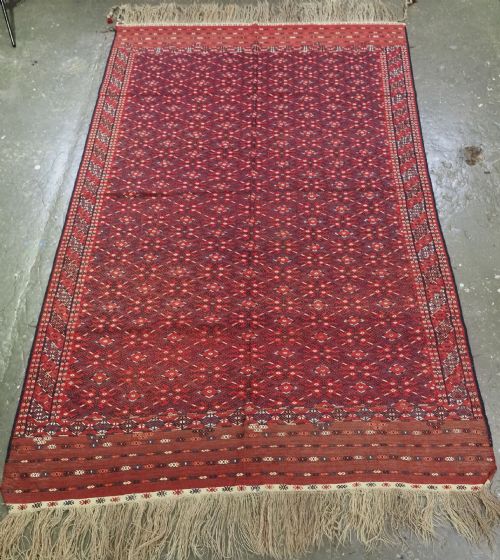
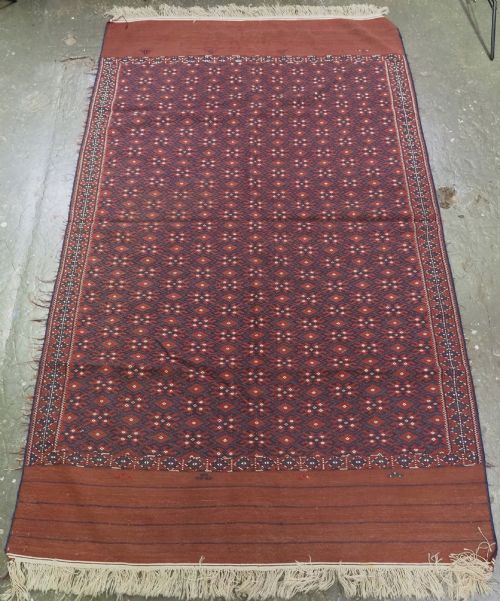
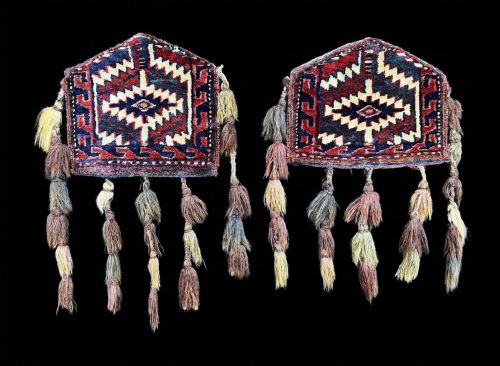
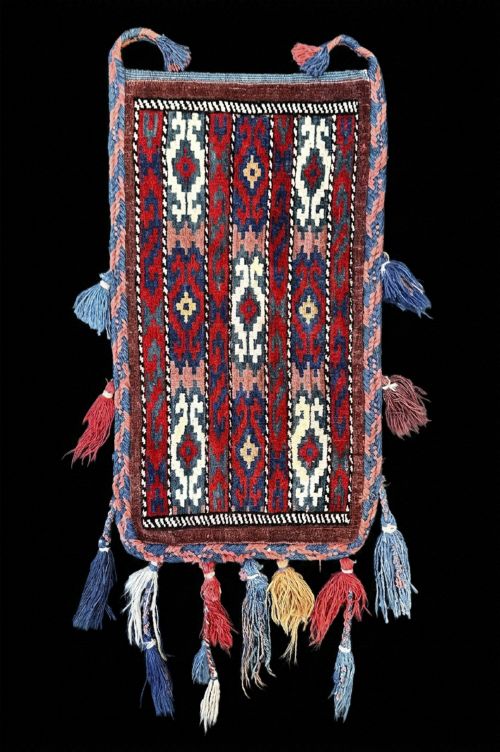
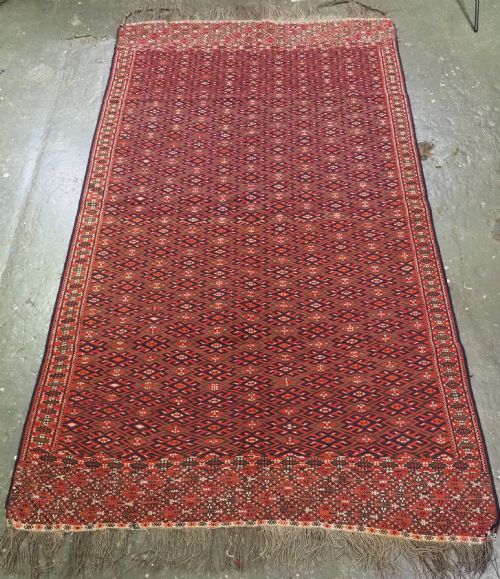
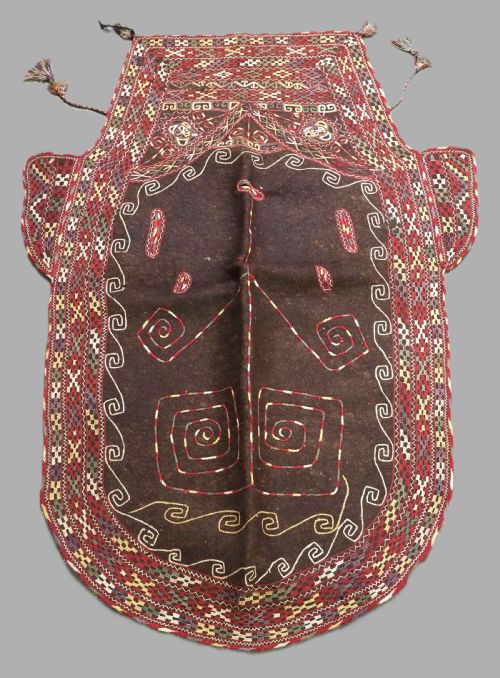
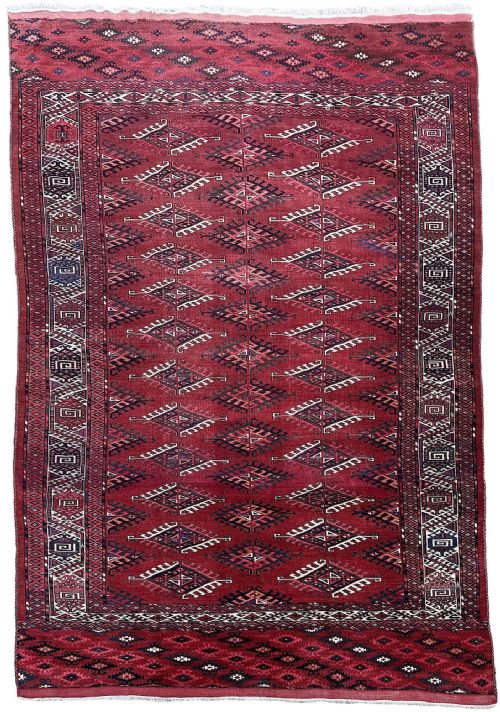
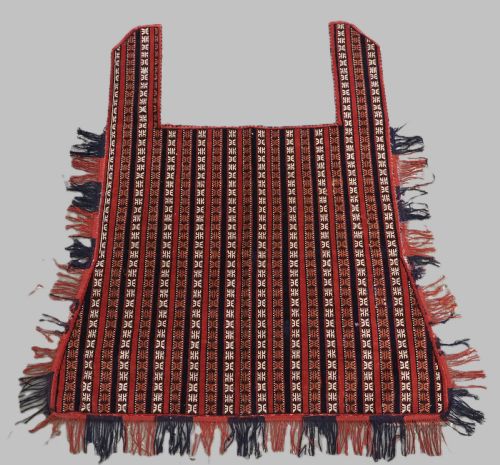
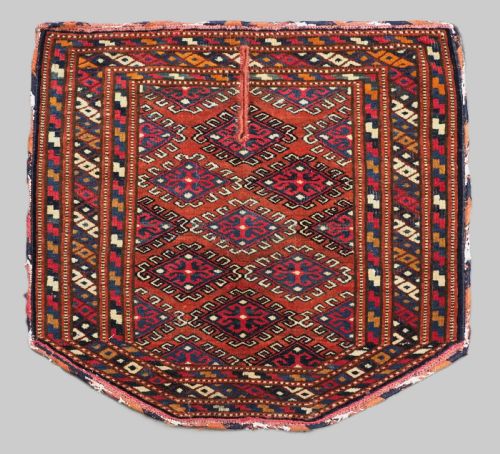
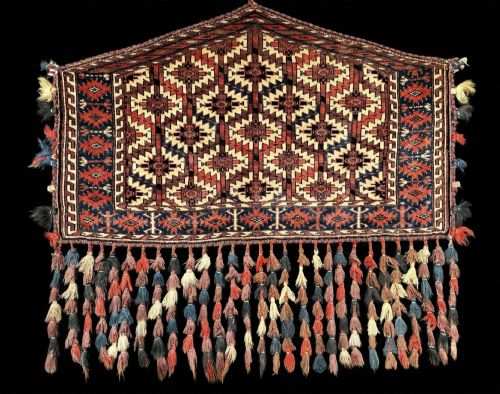
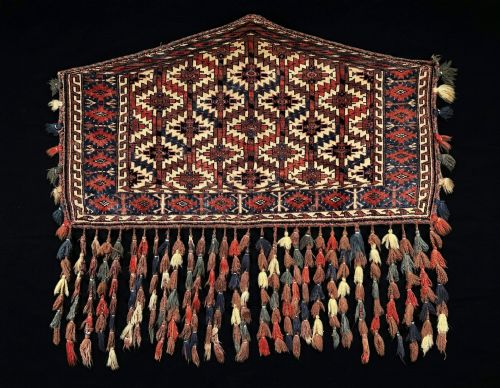
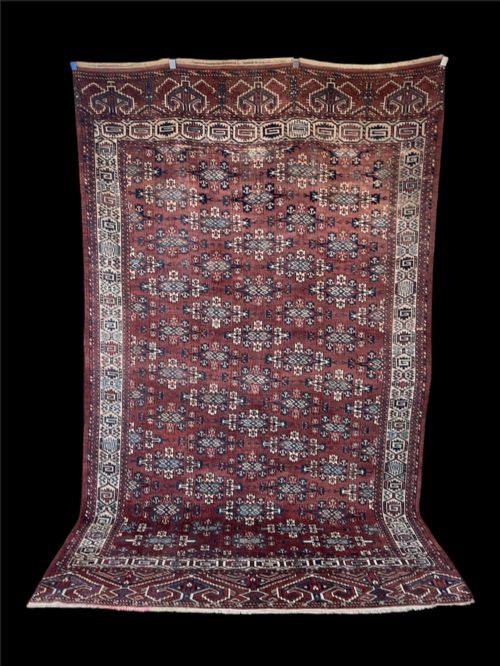
A red yomut rug encompasses tribal and nomadic textiles originating from the Turkmen tribes of the Trans-Caspian steppes. These pieces include main carpets, smaller bag faces like torbas and chuvals, and specialised ceremonial items such as asmalyks and horse covers.
The selection here spans from the nineteenth century into the early twentieth century, showing structural variety from full pile rugs to flatweaves and soumak kilims. Forms frequently feature specific tribal motifs including the kepse gul, dyrnak gul, and aishk gul patterns.
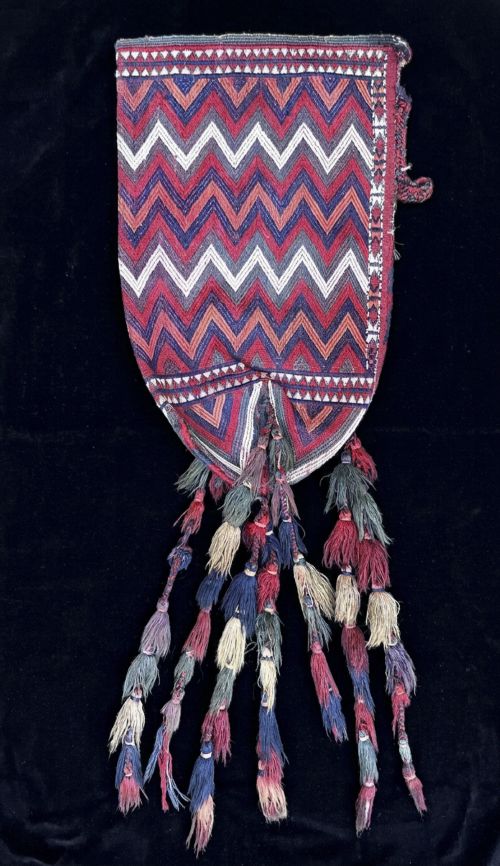
Originating directly from Central Asia, these textiles reflect the utilitarian and decorative arts of pastoral nomads. Buyers encounter everything from large carpets to utilitarian spindle-bags and tent door hangings known as engsis.
Materials and construction
Weavers utilised hand-spun wool for the primary structure and pile, combined with cotton for foundations and supplementary details. Silk thread occasionally appears in specific decorative elements, while felted wool forms specialised ceremonial blankets.
Natural dyes provide the characteristic red palette and supporting tones seen across these Central Asian tribal works. Traditional techniques incorporate pile knotting alongside flatweave construction, banded soumak, and plain weave backs.
Red Yomut Rug Retail Price Guide 2026
Typical asking prices for red yomut rug among the pieces listed under this phrase on Sellingantiques today, from the lower quarter to the upper quarter. They describe what is for sale here now, not the wider market.
Listings feature items dated from the nineteenth century through the early twentieth century, incorporating wool, cotton, and natural dyes.
Factors determining quality
Quality rests upon the precision of the weave, the handling of natural dyes, and the clarity of recurring tribal motifs like the gul. Finer knot density and well-executed structures separate standard domestic containers from major ceremonial pieces.
The integrity of original long kilim ends, tassels, and plain weave backs heavily influences the standing of a textile. Material selection, particularly the use of hand-spun wool and stable natural dye saturation, defines the upper tier of surviving examples.
The Red Yomut Rug Glossary
- Gul
- A primary repeating medallion or octagonal gabled motif used across Turkmen tribal carpets and bag faces. These geometric emblems often identify the specific sub-tribe or clan responsible for the weaving.
- Asmalyk
- A pentagonal or wedding trapping traditionally hung on the flanks of a camel during Central Asian bridal processions. These scarce ceremonial pieces display elaborate design layouts.
- Torba
- A small storage bag produced by nomadic tribes for domestic organisation inside a yurt. They feature decorated faces with flatweave backs.
- Engsi
- A tribal rug functioning specifically as a tent door hanging for Turkmen dwellings. They typically display a quartered field design separated by a candelabra motif.
- Chuval
- A large storage sack used within nomadic households for bedding and household goods. These rectangular pieces carry dense pile ornamentation on the front face.
- Soumak
- A supplementary weft-wrap technique producing a durable flatweave surface with a braided texture on the face. It provides structural firmness distinct from standard pile knots.
Red Yomut Rug: Frequently Asked Questions
What is a red yomut rug?
A red yomut rug is a hand-knotted or flatwoven textile created by the Yomut tribe of Turkmen nomads in Central Asia. These pieces utilise characteristic red dye palettes and traditional geometric motifs.
They encompass various utilitarian and ceremonial objects, ranging from large floor carpets to smaller storage bags and horse trappings dating from the nineteenth and early twentieth centuries.
How were these tribal bags used?
Nomadic families utilised bags such as torbas and chuvals inside tents for storing household possessions, clothing, and bedding. Their standardised sizes suited the domestic organisation of traditional portable dwellings.
Specialised sacks like spindle-bags held working tools, while larger torbas served both functional storage and decorative interior display.
How should I care for an antique textile?
Display these textiles away from direct sunlight to protect natural dye saturation and wool fibres over time. Gentle vacuuming without a rotating brush helps remove dust without stressing the foundation.
Allowing the material to breathe and avoiding damp environments preserves the structural integrity of both pile and flatweave constructions.