

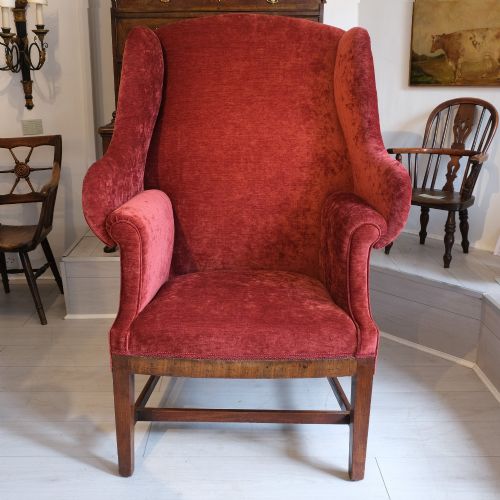
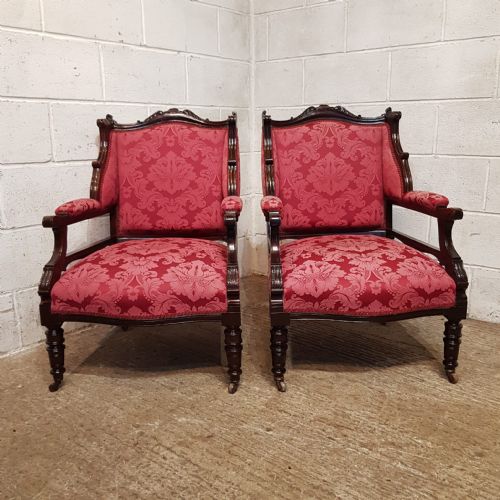


Red Upholstered Easy Chair
When you search for a red upholstered easy chair, you are hunting for a piece that combines robust nineteenth-century timber frames with rich textile upholstery.
Red Upholstered Easy Chair
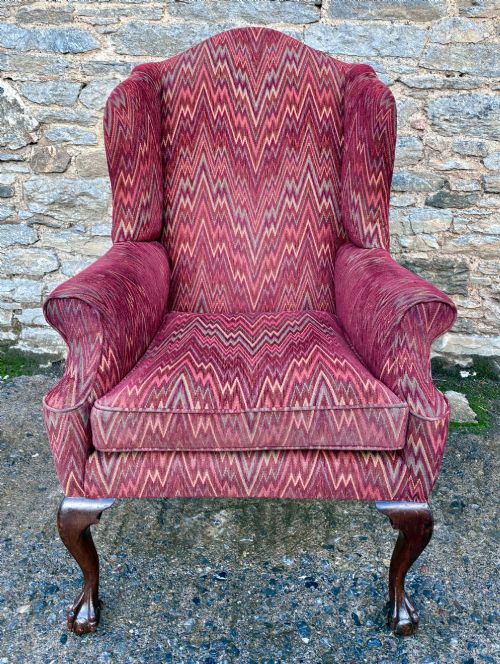
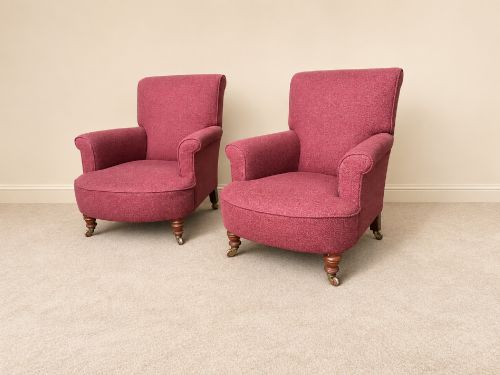
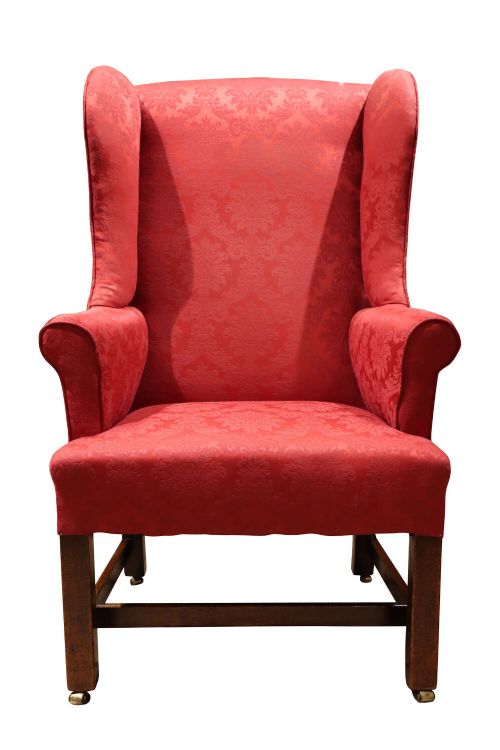
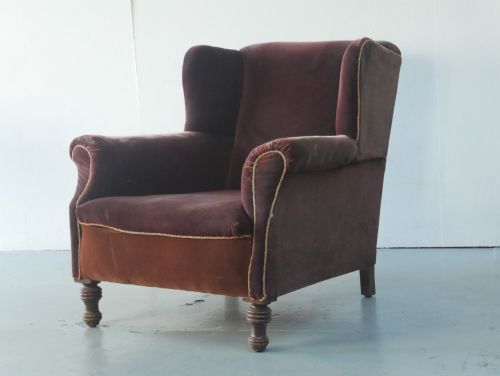
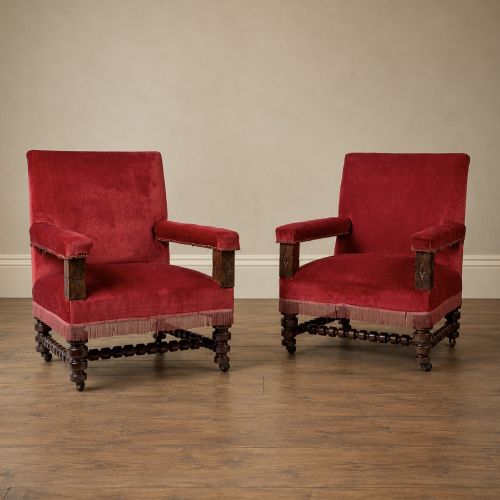
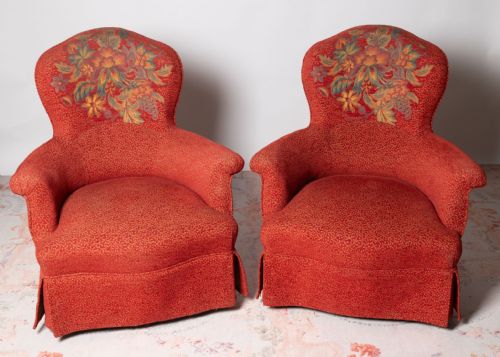
A red upholstered easy chair encompasses sturdy Victorian and nineteenth-century armchairs, grand wingbacks, and deep-sprung club chairs upholstered in fabrics like velvet, damask, wool, and kilim. These pieces were built for the drawing room, library, and fireside, offering generous proportions and padded support.
The versions most commonly met on this page span the Victorian era, the nineteenth century, and the early twentieth century. You will frequently find styles ranging from classic wing chairs to low club chairs and occasional tub forms framed in mahogany, walnut, oak, or rosewood.
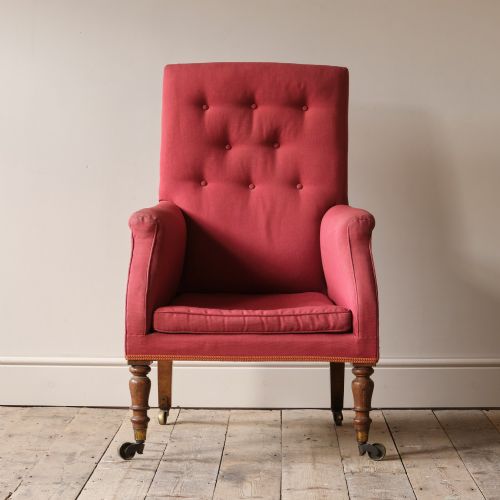
Makers such as Howard and Sons and Gillows frequently appear among these listings, alongside vernacular English country house pieces and French revival designs. Their forms vary from button-backed reading chairs to substantial gentleman's library seats.
How they were made
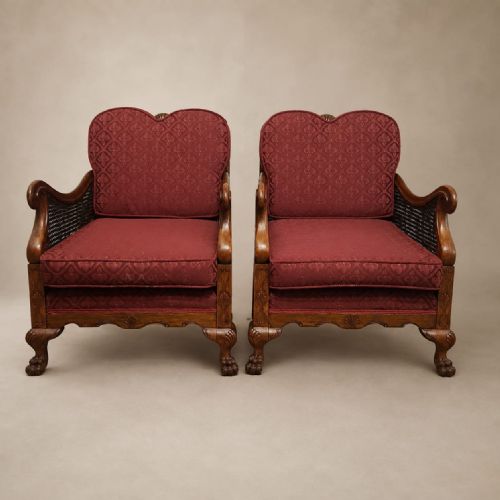
Frames are constructed from dense hardwoods like mahogany, walnut, oak, beech, and rosewood, often featuring exposed carved elements, brass castors, or split cane panels. These skeletons provide the structural rigidity needed to support heavy internal springing and deep padding.
Upholstery relies on traditional textiles including wool, damask, velvet, and woven carpets such as Ushak and kilim. These materials are fixed over coiled springs and horsehair stuffing, secured with hand-stitched edging and deep buttoning.
Red Upholstered Easy Chair Retail Price Guide 2026
Typical asking prices for red upholstered easy chair among the pieces listed under this phrase on Sellingantiques today, from the lower quarter to the upper quarter. They describe what is for sale here now, not the wider market.
Several club chairs wear their original woven carpets as coats, wrapping nineteenth-century sitting rooms in repurposed nomadic warmth.
What varies in quality
Quality rests in the architectural integrity of the wooden frame and the precision of the original upholstery technique. Finer pieces demonstrate dense hardwood joinery, carved detailing, and substantial weight without structural wobble.
The pedigree of the maker heavily dictates distinction, with stamped firm signatures elevating domestic seating. Superior examples also retain intact period textiles, robust internal webbing, and well-balanced proportions designed for sustained comfort.
Howard and Sons·Gillows·Heals of London
The Red Upholstered Easy Chair Glossary
- Wingback
- An armchair featuring protective side panels designed to shield the occupant from drafts. These high-backed seats date predominantly from the eighteenth and nineteenth centuries.
- Club Chair
- A deep, heavily upholstered low armchair built for lounging. These typically feature low arms and sprung seats.
- Bergere
- An enclosed upholstered armchair with a wooden frame, often featuring cane panels on the sides and back. This form gained popularity during revival periods.
- Kilim
- A flat-woven textile of oriental origin utilised for upholstery. These patterned rugs provide durable and distinctive coverings for nineteenth-century club chairs.
- Fauteuil
- An open-framed upholstered armchair with exposed wooden arms of French origin. These seats frequently incorporate carved walnut or beech woodwork.
Red Upholstered Easy Chair: Frequently Asked Questions
What is an easy chair?
An easy chair is a heavily padded upholstered seat designed specifically for relaxation in domestic rooms like the library or drawing room.
These pieces typically feature sprung seats, upholstered arms, and supportive backs built for prolonged sitting.
How do I identify a Victorian armchair?
Victorian armchairs are identified by dense hardwood frames, robust proportions, and often deep button-backed upholstery. They frequently incorporate turned wooden legs set on brass castors.
Many examples from this era show influences from gothic revivals or heavy gentleman's library designs.
Where were these armchairs used?
These seating pieces were placed in principal rooms of the house, including drawing rooms, libraries, and studies. Their comfortable construction suited fireside reading and formal entertaining.
Country houses and urban townhouses alike utilised these large armchairs for daily comfort.
How do I care for antique upholstery?
Caring for antique textiles involves gentle vacuuming with a soft attachment to remove dust without damaging the weave. Direct sunlight should be avoided to prevent the red dyes from fading.
Maintaining stable room humidity protects both the delicate fabric and the internal stuffing materials.