



Red Shaded Lamps
Red shaded lamps bring an immediate warmth to a room, casting a deep, atmospheric glow derived from vibrant glass, silk, and fabric.
Red Shaded Lamps
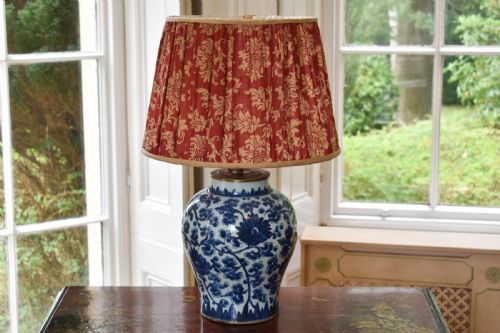
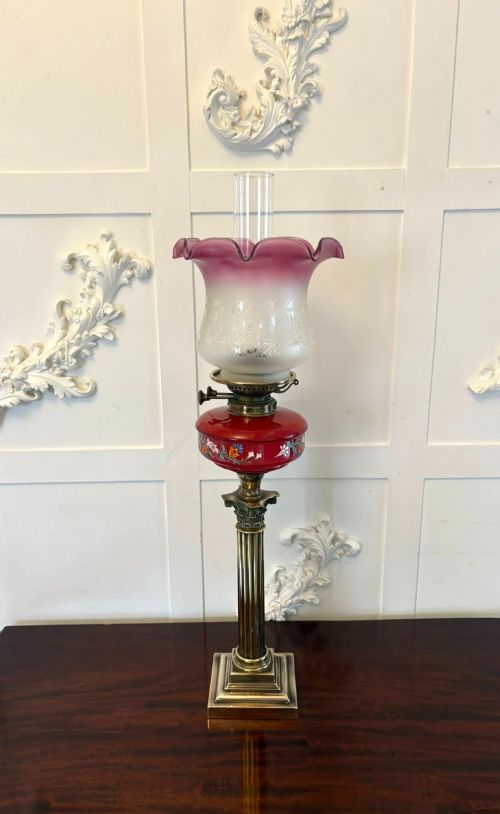
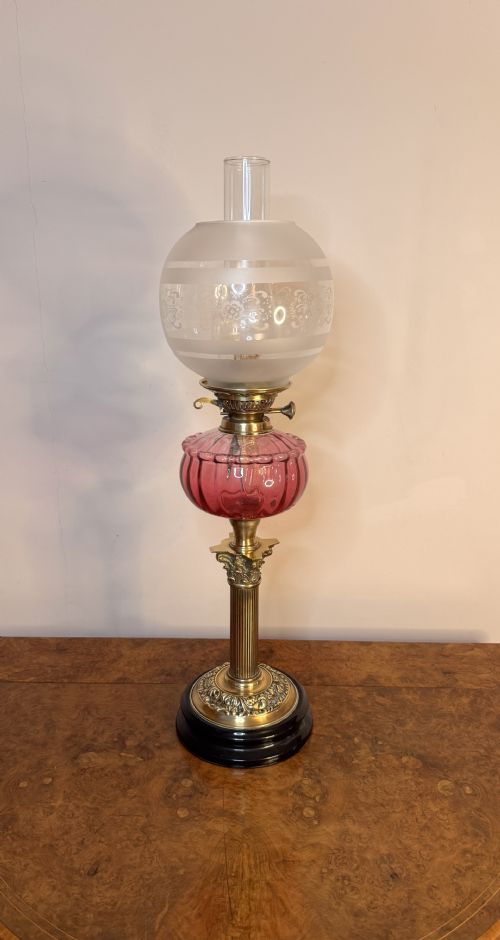
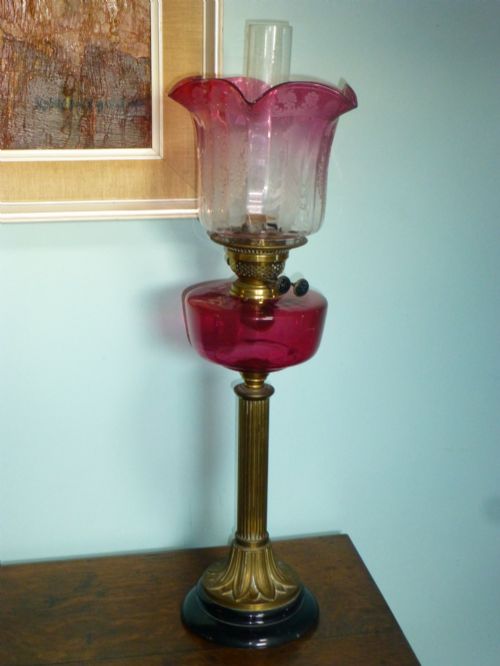
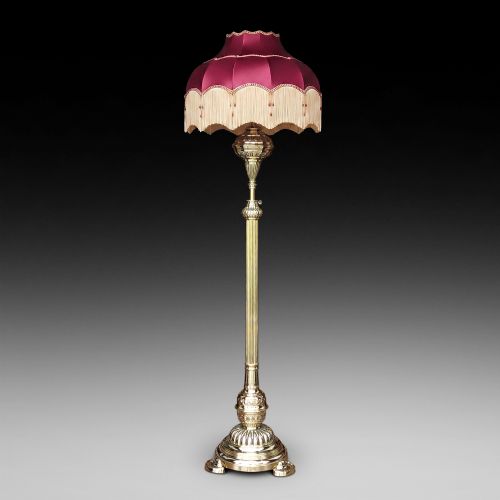
Red shaded lamps encompass a diverse array of lighting forms, ranging from towering oil lamps and standard lamps to delicate table lamps and hanging pendants. When exploring red shaded lamps, you encounter everything from Victorian brass oil lamps with cranberry glass fonts to early twentieth-century glass shades paired with gilded metalwork.
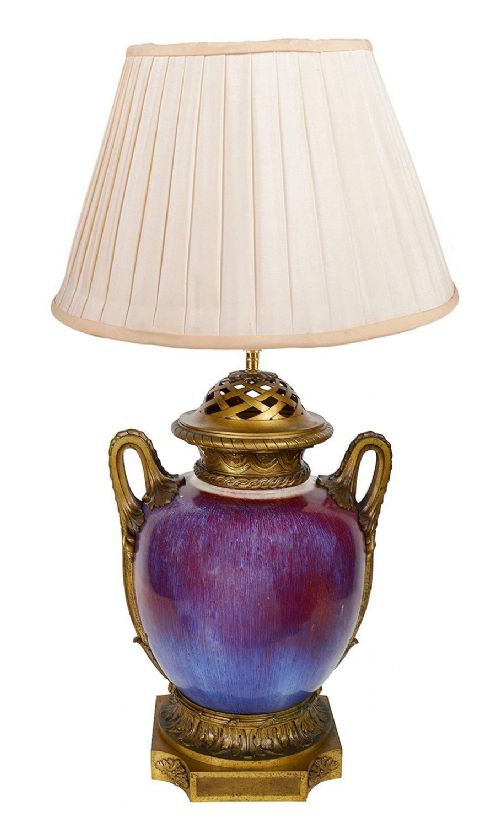
The materials span from rich cranberry and ruby etched glass to fine porcelain, silk, and fabric, often mounted on brass, bronze, or wooden bases. Many examples bridge centuries of craftsmanship, incorporating converted vases from the eighteenth and nineteenth centuries alongside purpose-built Victorian and Edwardian lighting.
Materials and construction
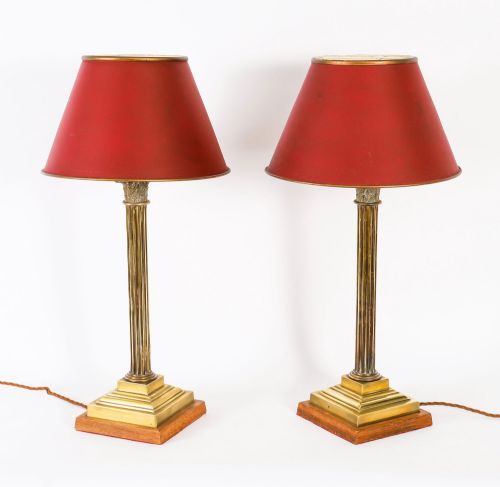
The construction relies heavily on worked metals such as brass, bronze, and silver-plate, providing sturdy columns, bases, and mounts for delicate glass and porcelain components. Brass elements are frequently cast and chased, forming Corinthian capitals or standard extending mechanisms.
Glassmaking techniques define the coloured shades and fonts, utilising cranberry glass, ruby etched glass, and dimpled glass to achieve rich hues. Porcelain bodies, including Chinese export wares, Arita Imari, and Kutani pieces, are drilled and fitted with electrical or oil-burning hardware.
Red Shaded Lamps Retail Price Guide 2026
Typical asking prices for red shaded lamps among the pieces listed under this phrase on Sellingantiques today, from the lower quarter to the upper quarter. They describe what is for sale here now, not the wider market.
Listings feature items spanning the eighteenth to the twentieth centuries, utilising brass, porcelain, cranberry glass, and rootwood.
Assessing quality
Quality rests in the crispness of the casting on brass and bronze elements, where fine detail on Corinthian columns and figural bases indicates superior workmanship. The depth and saturation of the glass, particularly in cranberry and ruby etched variants, show the skill of the glasshouse.
The integration of converted pieces, such as eighteenth-century vases utilised as lamp bases, depends upon the sensitivity of the mounting and the preservation of the original ceramic body. Matching pairs with original shades and undamaged brass components stand apart from assembled or heavily restored examples.
Hinks of B'ham·Karl Palda
The Red Shaded Lamps Glossary
- Cranberry glass
- A type of transparent red glass created by adding gold chloride to the molten batch. It is frequently seen in Victorian oil lamp fonts and shades.
- Corinthian column
- A classical architectural column style featuring an ornate capital decorated with acanthus leaves. This form is popular in nineteenth-century brass table and oil lamps.
- Imari
- A style of Japanese porcelain decorated in underglaze blue and iron red, with supplementary gold. Pieces from the eighteenth and nineteenth centuries are often converted into lamp bases.
- Duplex burner
- A double-wick mechanism developed in the nineteenth century to produce a brighter light from oil lamps. These burners appear on larger standard and table lamps.
- Tole peinte
- Painted sheet metal, typically iron or steel, used for decorative items such as nineteenth-century lamp bases and shades. The surface is lacquered and hand-painted.
Red Shaded Lamps: Frequently Asked Questions
How do I date a brass oil lamp?
Dating relies on burner patents, column styles, and the manufacturing methods of the brass components. Victorian examples often feature cast Corinthian capitals and cranberry glass fonts.
Markings on the burner mechanism, such as maker names or patent numbers, provide the most precise indication of the production period.
Are converted vase lamps original?
Many fine lamps utilise antique porcelain vases, such as Japanese Imari or Chinese celadon, mounted with electrical hardware. These conversions were typically undertaken later in the piece's life to adapt them for domestic lighting.
The value and character depend on how sympathetically the ceramic was handled during the conversion process.
What is cranberry glass?
Cranberry glass is a distinctively rich red glass coloured by the addition of gold during the melting process. It became exceptionally popular during the Victorian era for oil lamp fonts and decorative shades.
The colour ranges from a pale pinkish red to a deep ruby tone depending on the concentration of gold and the thickness of the glass.
How should I clean a brass lamp base?
Preserving the aged patina is generally preferred over aggressive polishing which removes historical character. Dusting with a soft cloth and gentle cleaning of glass shades with warm soapy water maintains their appearance.
Harsh metal cleaners can strip original lacquer and diminish the subtle tones accumulated over the decades.