
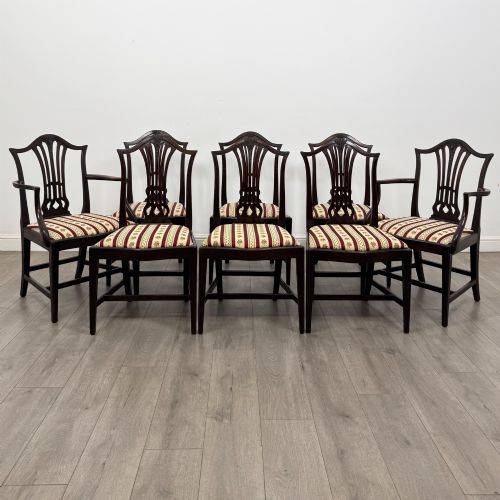

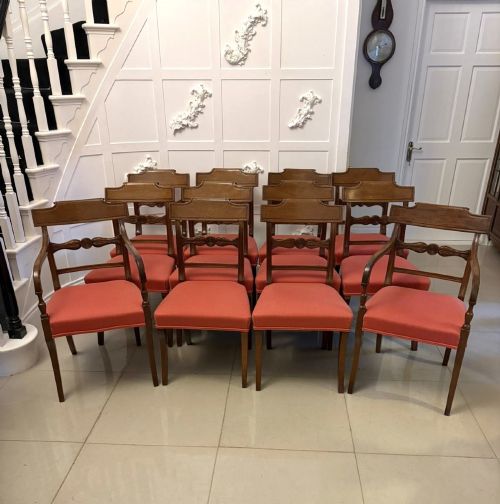
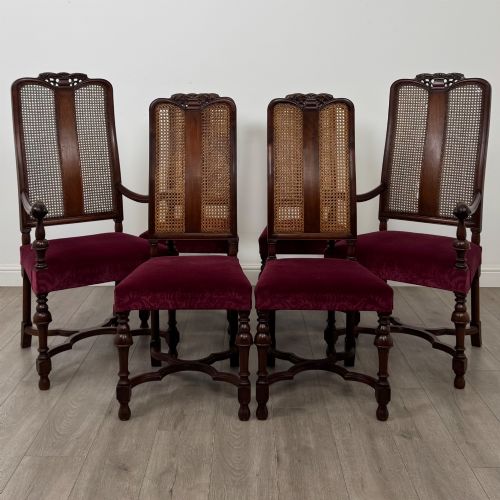
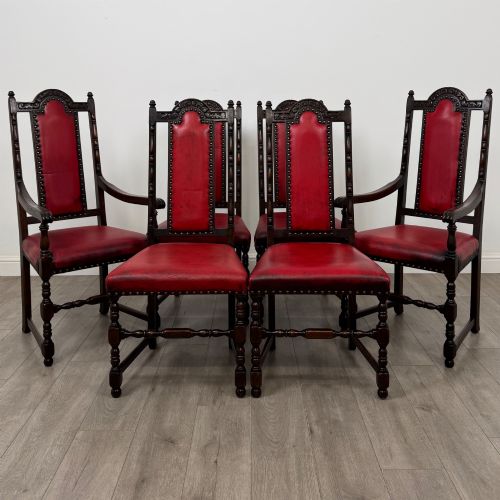
Red Seat Chairs
Red seat chairs bring warmth and historical character to a room through traditional upholstery and rich timber frames.
Red Seat Chairs
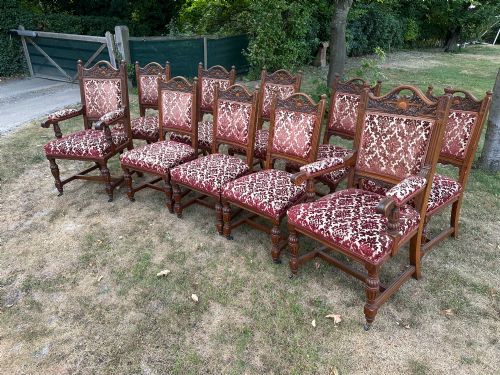
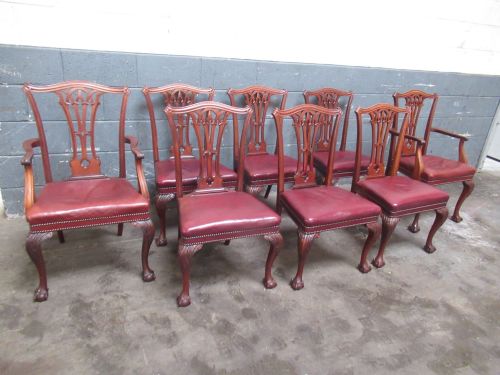
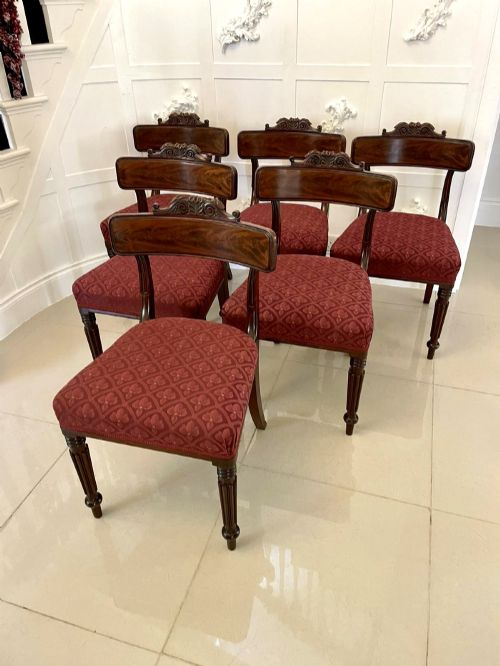
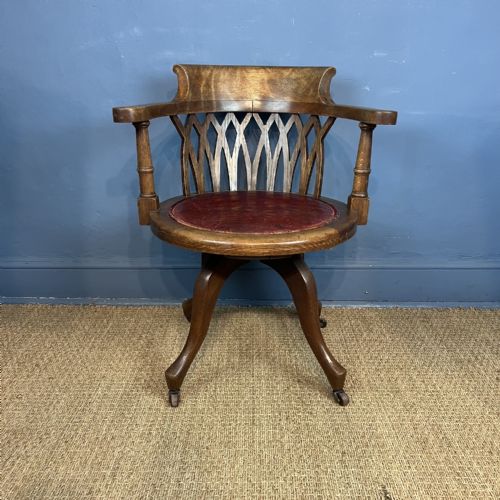
Red seat chairs encompass a wide variety of antique seating, including dining sets, library armchairs, and occasional pieces.
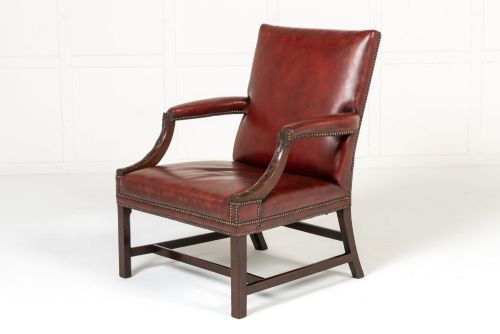
The phrase red seat chairs directs attention to examples finished with crimson leather, red lacquer, or patterned textile upholstery.
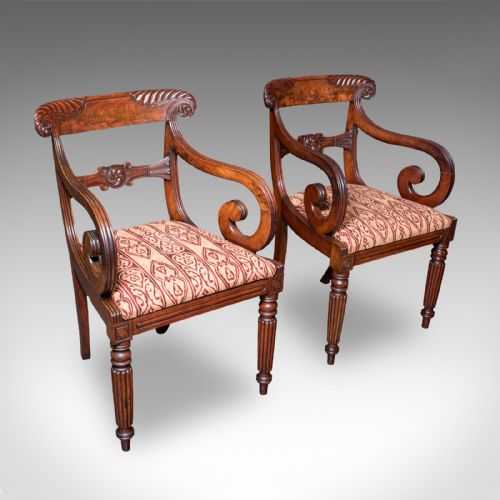
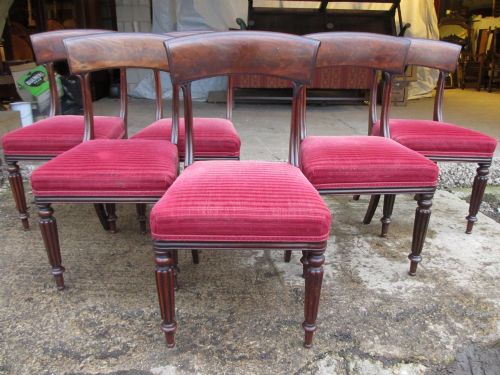
Buyers commonly encounter mahogany and oak dining sets alongside single Victorian and Georgian elbow chairs.
How they were made
Frames rely predominantly on solid hardwoods like mahogany, walnut, and oak, shaped through carving, turning, and steam bending.
Seats incorporate traditional upholstery methods, utilising leather, velvet, tapestry, and horsehair stuffing secured over webbing or springs.
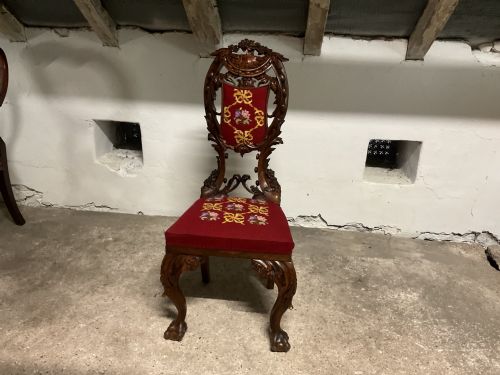
Listings feature mahogany, oak, and walnut frames paired with leather, velvet, and tapestry seats across the Georgian, Victorian, and Edwardian periods.
What varies in quality
Quality rests upon the crispness of the timber carving, the integrity of the frame construction, and the proportion of the design.
Original timber patination and surviving early upholstery materials elevate certain examples above standard workshop production.
Gillows·James Shoolbred
The Red Seat Chairs Glossary
- Carver
- An armchair designed to match a set of dining chairs, usually placed at the head of a table.
- Splat
- The vertical wooden strip down the centre of a chair back, often pierced or carved in distinct period styles.
- Bergere
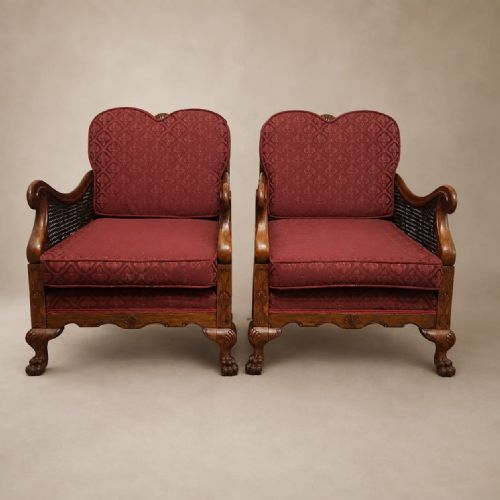
- An enclosed upholstered armchair with wooden framing and cane panels to the sides and back.
- Giltwood
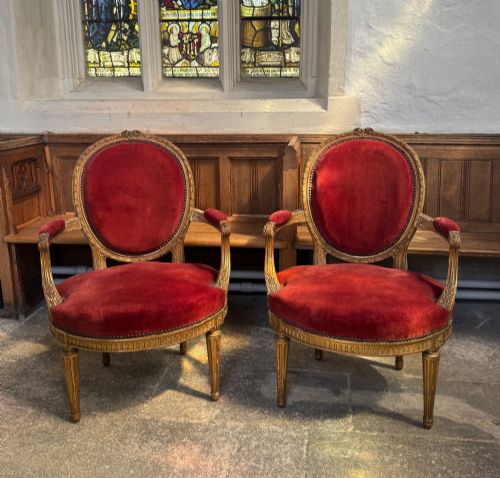
- Timber coated with a thin layer of gold leaf, common on decorative French and revival armchairs.
Red Seat Chairs: Frequently Asked Questions
How do I clean antique leather seats?
Wipe the surface gently with a soft, slightly damp cloth to remove dust without introducing excess moisture. Treat the leather periodically with a suitable conservation wax to maintain suppleness.
Avoid harsh modern detergents or chemical solvents that strip the historic finish and dry out the hide.
Can I use these chairs for everyday dining?
Solid mahogany and oak dining chairs from the Georgian and Victorian periods were built for daily use and remain structurally robust. Check that the joints are firm before seating guests for long meals.
Lighter occasional chairs or giltwood armchairs suit reception rooms better than heavy daily dining service.
Are the red seats original?
Upholstery rarely survives intact from the eighteenth or nineteenth centuries due to normal wear and tear. Most pieces have been recovered at least once in appropriate period style textiles or leather.
Retained original coverings remain exceptional; look for signs of older horsehair stuffing beneath modern replacement fabric.
How do I identify a Georgian chair?
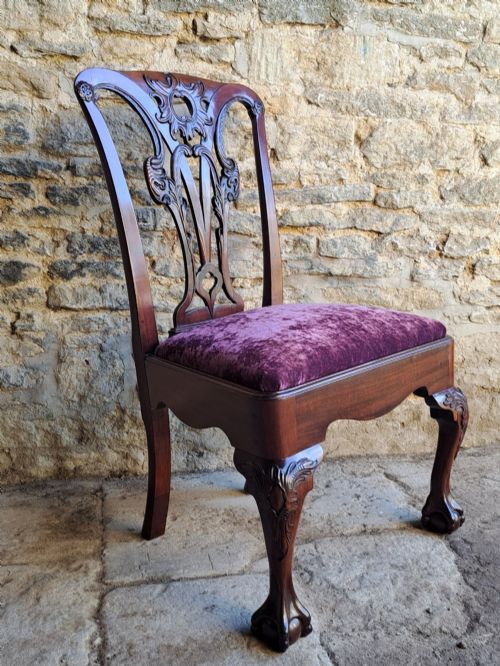
Georgian chairs typically feature dense mahogany frames, drop-in or overstuffed seats, and restrained carved details such as ball and claw feet or pierced splats. The proportions prioritise comfort alongside formal elegance.
Later Victorian and Edwardian pieces often reproduce these classical shapes with machine-turned elements or heavier frames.