


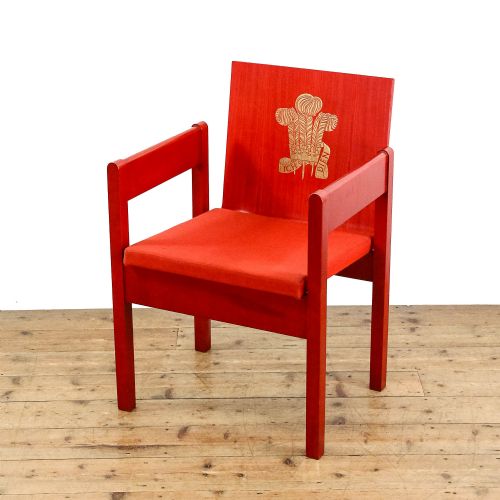
Red Painted Wooden Armchair
A red painted wooden armchair brings an immediate focal point to a room, offering rich colour and historic character from across various eras.
Red Painted Wooden Armchair
A red painted wooden armchair spans several distinct periods, showing up in forms ranging from Georgian Neoclassical and Regency to Victorian and 1920s Chinese designs. These seating pieces combine sturdy wooden frames with striking red paint finishes that highlight their structural lines.
The variety on this page includes traditional Chinese chairs, Swedish country folk art pieces, and Moroccan armchairs alongside classical British forms. Each piece brings a specific regional vernacular and period aesthetic to domestic interiors.
Buyers seeking a red painted wooden armchair will encounter styles influenced by Louis XVI, Welsh vernacular traditions, and Renaissance Revival movements. Such diversity ensures that the search encompasses everything from rustic stick chairs to elaborate throne armchairs.
Materials and construction methods
Makers constructed these frames using timber such as elm, beech, and general wood, often applying layers of paint and lacquer to the surfaces. Brass elements occasionally appear as decorative accents or hardware on specific designs.
Upholstery and fabric details integrate with painted wooden frameworks in examples like the 1969 Prince Charles Investiture Armchair and French open armchairs. Craftspeople relied on traditional joinery techniques appropriate to each century, from Windsor framing to bobbin turning.
Red Painted Wooden Armchair Retail Price Guide 2026
Typical asking prices for red painted wooden armchair among the pieces listed under this phrase on Sellingantiques today, from the lower quarter to the upper quarter. They describe what is for sale here now, not the wider market.
One chair on this page witnessed a royal investiture in 1969.
Assessing quality and craftsmanship
Quality in these armchairs rests upon the integrity of the wooden frame and the preservation of the original or historic painted surface. Finer examples display harmonious proportions, skilful turning, and paint applications that have aged with desirable patination.
The distinction between standard vernacular pieces and top-tier examples lies in the sophistication of the design, such as the refined neoclassical lines of a Georgian Sheraton period piece versus simpler regional seating. Historical association and documented maker attribution further elevate the standing of individual chairs.
White, Allom & Co
The Red Painted Wooden Armchair Glossary
- Windsor chair
- A wooden armchair built with a solid saddle-shaped seat into which the back and legs are wedged directly. This form relies on turned spindles for back support.
- Hoop-back
- A continuous bentwood rail forming the back and armrests of a chair. It provides structural strength and ergonomic comfort in vernacular seating.
- Bobbin turning
- A form of woodturning characterised by a series of rounded, spool-like swellings along the length of a leg or stretcher. It appears frequently in seventeenth-century and revival furniture.
Red Painted Wooden Armchair: Frequently Asked Questions
How do I date a red painted wooden armchair?
Dating relies on examining the structural joinery, timber species, and the characteristics of the paint layer. Regional styles and historical design motifs provide further clues to the century of manufacture.
Comparing construction details against documented period examples helps confirm whether a piece belongs to the Georgian, Victorian, or later eras.
Are these chairs suitable for daily seating?
Most antique wooden armchairs remain structurally robust enough for regular use, provided the joints are stable and secure. Consideration should be given to the weight capacity and the condition of any upholstered elements.
Placing them in moderate home environments away from direct heat sources preserves both the wood and the painted finish over time.
How should I care for painted wooden surfaces?
Maintenance involves gentle dusting with a soft, dry cloth to prevent dirt accumulation on the paint and lacquer. Avoid using harsh chemical cleaners or abrasive materials that could strip the historic finish.
Maintaining stable room humidity protects the underlying timber from shrinking or expanding, which can cause paint to crack or flake.
What distinguishes Swedish folk art chairs?
Swedish country pieces often feature expressive turned elements, such as bobbin legs, combined with vibrant folk painting traditions. They emphasise rustic charm and local craftsmanship over formal court styles.
These chairs frequently utilise native timbers like pine or birch, finished with bright red or earth-pigment paints typical of Scandinavian interiors.