


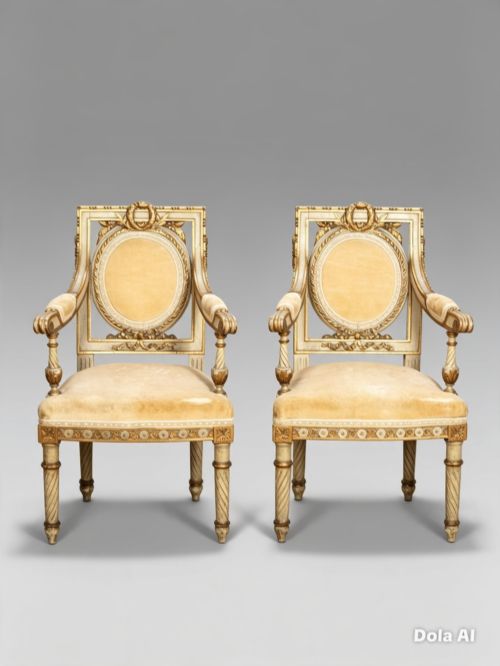


Decorative Painted Armchair
These decorative painted armchairs bring colour and craftsmanship together, offering functional seating with distinctive artistic surface detail.
Decorative Painted Armchair
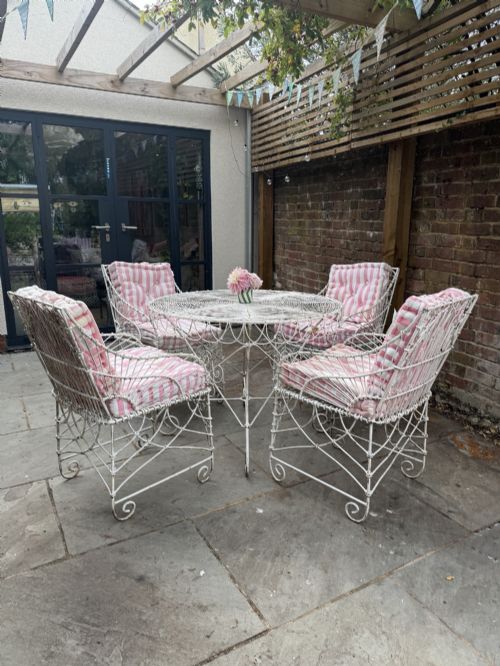
A decorative painted armchair combines comfortable seating with artistic surface ornamentation, spanning indoor salon pieces and robust outdoor garden furniture. Buyers searching for a decorative painted armchair encounter diverse iterations ranging from formal indoor seating to practical wirework and cast iron garden sets.
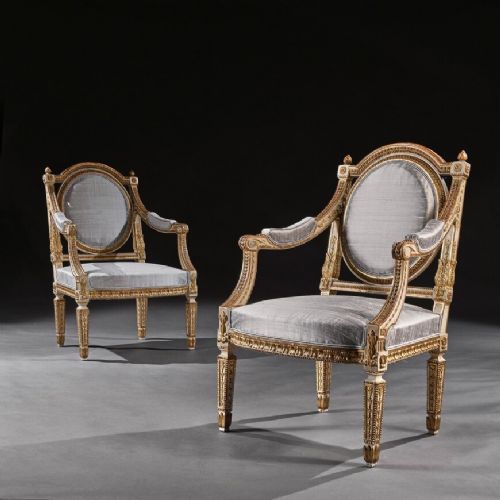
The evidence shows periods stretching from the Regency era through Victorian, Edwardian, and early twentieth-century designs. You meet pieces originating from various stylistic traditions, including Neoclassical, Louis XVI, and Moroccan influences.
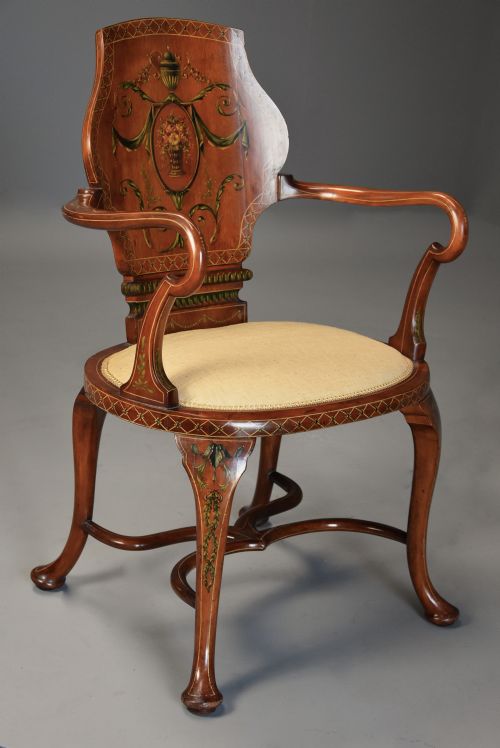
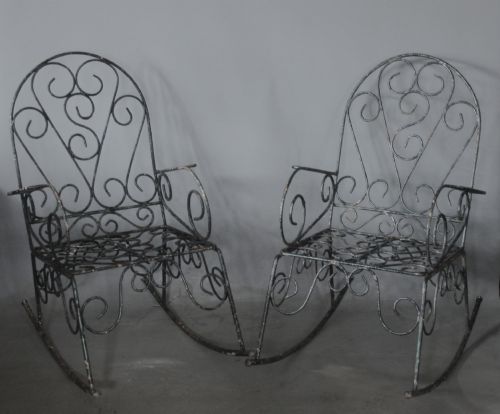
Indoor examples frequently utilise walnut, satinwood, and parcel gilt finishes on wood frames, while outdoor variants employ wrought iron, wirework, and painted wood. Forms include standard armchairs, rocking chairs, elbow chairs, and salon chairs designed for specific domestic and garden spaces.
Materials and construction methods
Makers utilised timber substrates such as walnut and satinwood for indoor salon chairs, applying paint finishes alongside gold leaf and parcel gilt details. Wood components often support upholstered fabric elements or carved splat backs.
Outdoor iterations rely on wrought iron, cast iron, and wirework, shaped to create durable garden dining sets and rocking chairs. Paint application protects these metallic and wooden surfaces while providing the visual ornamentation characteristic of the style.
Decorative Painted Armchair Retail Price Guide 2026
Typical asking prices for decorative painted armchair among the pieces listed under this phrase on Sellingantiques today, from the lower quarter to the upper quarter. They describe what is for sale here now, not the wider market.
Materials recorded across the archive include satinwood, walnut, wrought iron, wirework, and gold leaf.
Evaluating craftsmanship and finish
Quality reveals itself in the precision of the painted decoration and the finesse of the underlying woodwork or metal framing. Pieces exhibiting meticulous hand-painted details and integrated gilt work stand apart from simpler utilitarian examples.
The structural integrity of the frame, whether carved timber or forged iron, dictates the durability and tactile presence of the chair. Material choice, such as satinwood versus standard painted wood, also influences the overall refinement of the piece.
The Decorative Painted Armchair Glossary
- Parcel gilt
- Partial application of gold leaf to highlight specific carved or raised details on a painted surface. This technique adds depth and contrast to the frame.
- Splat back
- The central vertical strip of wood running from the seat up to the top rail of a chair back. It often serves as the primary canvas for hand-painted ornamentation.
- Neoclassical
- A style drawing inspiration from classical antiquity, prominent in nineteenth-century Italian and French seating. It emphasises symmetry, straight lines, and classical motifs.
- Wirework
- A technique using bent and interwoven metal wire to construct lightweight, decorative garden chairs and furniture. It provides structural resilience alongside an open, airy visual profile.
- Elbow chair
- An alternative term for an armchair, particularly those with shorter or more open arm supports. These pieces frequently accompany dining or desk settings.
Decorative Painted Armchair: Frequently Asked Questions
Where should I place a painted armchair?
These chairs suit drawing rooms, bedrooms, or garden settings depending on whether the frame is built from interior timber or outdoor iron. Their decorative surfaces allow them to function as focal seating points.
Pair indoor satinwood or walnut models with complementary living space furnishings. Weathered iron and wirework variants find a natural home on patios or within garden landscapes.
How do I date an antique painted armchair?
Dating relies on identifying structural characteristics, wood types, and stylistic revivals present in the framing and decoration. Evidence points to periods including Regency, Victorian, Edwardian, and early twentieth-century production.
Compare the decorative motifs, such as Neoclassical gilt or Queen Anne revival splats, against known stylistic eras. Materials like satinwood and cast iron also offer chronological markers for manufacture.
Are painted armchairs suitable for daily use?
Many surviving examples were constructed for regular domestic or garden use, combining sturdy frames with comfortable seating angles. Structural materials range from robust wrought iron to solid walnut.
Consider the condition of the fabric upholstery and painted finish when planning frequent usage. Gentle placement and careful handling help preserve delicate hand-painted surfaces.
What is the difference between indoor and outdoor painted chairs?
Indoor models typically utilise timber frames like walnut and satinwood, often featuring fabric upholstery and fine hand-painted or gilt details. They are designed for salons, drawing rooms, and bedrooms.
Outdoor versions employ weather-resistant materials such as wrought iron, cast iron, and wirework. These pieces prioritise robust metal construction to withstand garden environments.