



Red Painted Dresser
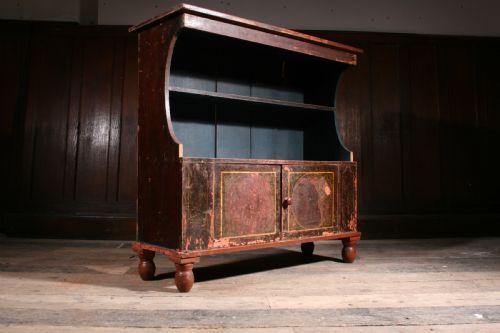
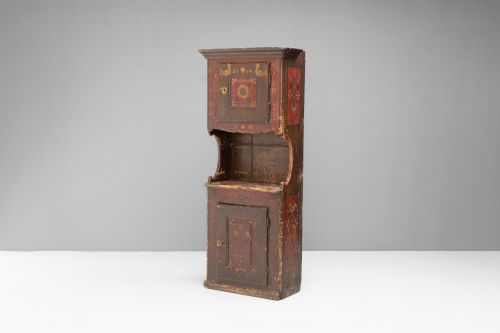
A red painted dresser brings robust storage and deep colour to a room, offering practical surface space alongside enduring rustic character.
Red Painted Dresser
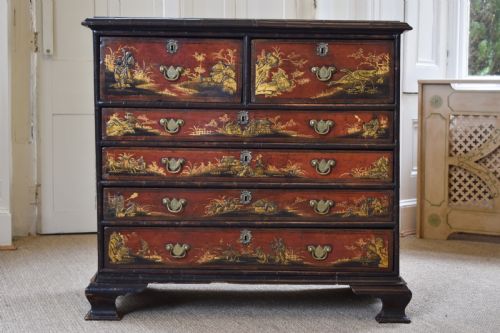
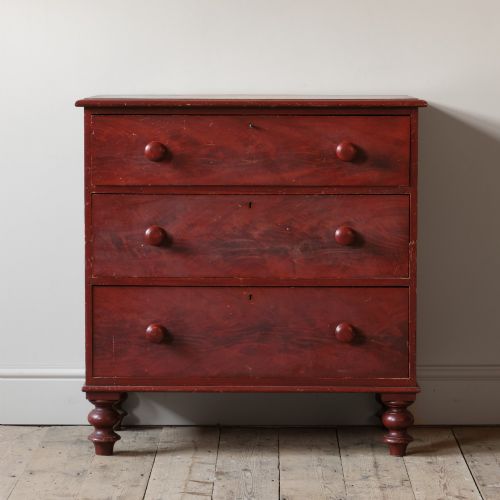
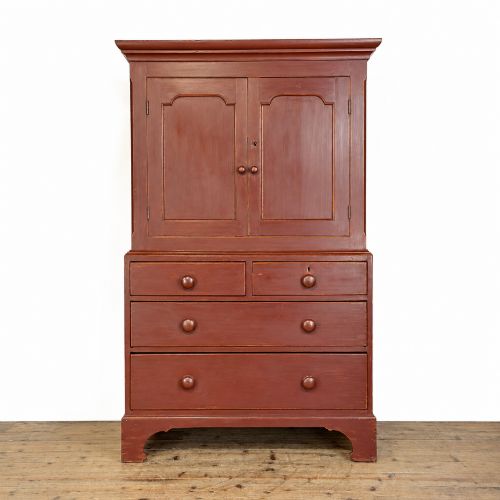
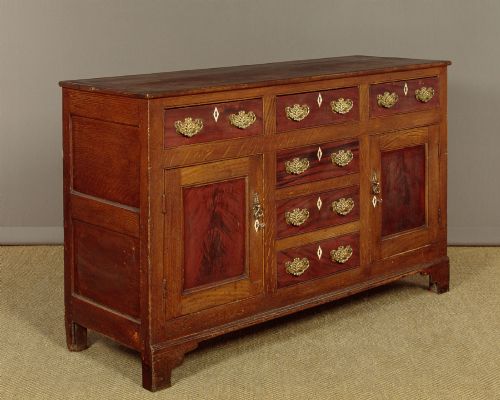
A red painted dresser represents a varied group of storage furniture, appearing here as pine chests of drawers, cupboards, housekeeper's cupboards, sideboards, bookcases, commodes, and miniature apprentice pieces. These items originate from several periods including the Georgian era, the Victorian period, and the early twentieth century, spanning from about 1840 through to 1920.
The regional influences and styles recorded across these listings include Victorian country, Scandinavian country, Swedish country, European folk art, and French chateau. Buyers are most likely to meet pine chests of drawers and cupboards finished in original paint coatings, often showing regional European or British vernacular details.
Forms range from large housekeeper's cupboards and kitchen dresser bases to compact four-drawer commodes and miniature furniture featuring secret drawers. Individual examples display specific local traits, such as sign writing for agricultural merchants or traditional Baltic and Hungarian joinery.
Materials and construction methods
Construction relies primarily on solid wood, predominantly pine, shaped into carcases and drawers using traditional timber joining techniques. Secondary materials such as brass, iron, metal, bone, and ceramic appear in hardware elements like handles, escutcheons, and internal fittings.
Surfaces receive decorative and protective coatings of paint, sometimes applied by hand in folk or regional traditions, preserving the underlying timber. Sign writing and original pigment layers survive on selected pieces, showing how utilitarian workshop finishes have endured over the centuries.
Red Painted Dresser Retail Price Guide 2026
Typical asking prices for red painted dresser among the pieces listed under this phrase on Sellingantiques today, from the lower quarter to the upper quarter. They describe what is for sale here now, not the wider market.
Evaluating craftsmanship and condition
Quality rests in the integrity of the timber framing, the smooth operation of drawers and doors, and the survival of original surface paint rather than later refinishing. Pieces retaining authentic sign writing, early hardware in brass or iron, and uncompromised structural joints stand apart.
Finer examples demonstrate careful proportion and well-executed vernacular joinery, whether in a large Baltic cupboard or a small apprentice chest with a secret drawer. The depth and stability of the historic paint layer also dictate the visual strength of the piece.
The Red Painted Dresser Glossary
- Pine
- A softwood commonly used for vernacular and country furniture because it is workable and takes paint well. It forms the primary carcase material for most items seen here.
- Commode
- A low cabinet or chest of drawers, often featuring multiple tiers for storage. Danish examples typically present refined proportions within a painted exterior.
- Housekeeper's Cupboard
- A large storage piece traditionally used in substantial homes for linens and dry stores. These tall cupboards provide significant capacity behind panelled doors.
- Original Paint
- An unstripped historic surface coating applied to the timber during its period of manufacture. Surviving layers provide authentic character and regional colour.
Red Painted Dresser: Frequently Asked Questions
How do I clean a painted surface?
Dust gently with a soft, dry cloth to remove surface particles without disturbing the historic pigment. Avoid abrasive cleaning agents and modern chemical solvents that might strip the historic finish.
Keep pieces away from direct heat sources and strong sunlight to prevent the paint from cracking or fading over time. Regular gentle care preserves both the timber and the decorative coating.
Are these pieces suitable for everyday use?
Most items are robust enough for daily domestic service, offering practical drawer and cupboard storage. The solid pine construction handles normal household demands while adding distinct character to a hallway, kitchen, or bedroom.
Care should be taken not to overload drawers or expose surfaces to excessive moisture. Placing protective pads under heavy items on top helps safeguard the vintage finish.
How can I tell an older piece apart?
Examination of the timber joints, backboards, and interior drawer construction reveals age-related manufacturing methods. Hand-cut dovetails and historic fixings in iron or brass indicate earlier periods of production.
The presence of unrefined tool marks and stable, craquelated paint layers further supports traditional dating. Comparing the hardware to known period examples confirms authenticity.