

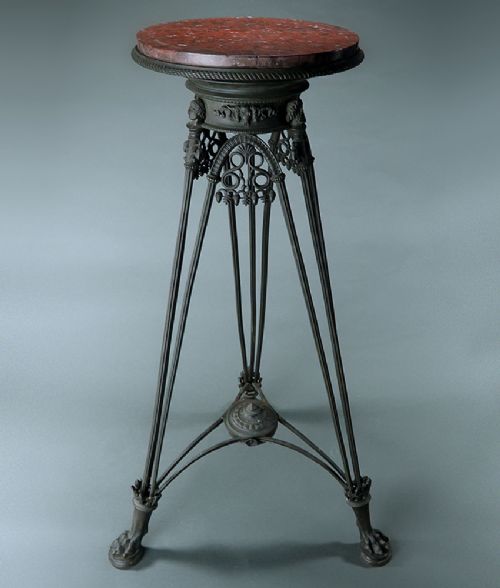


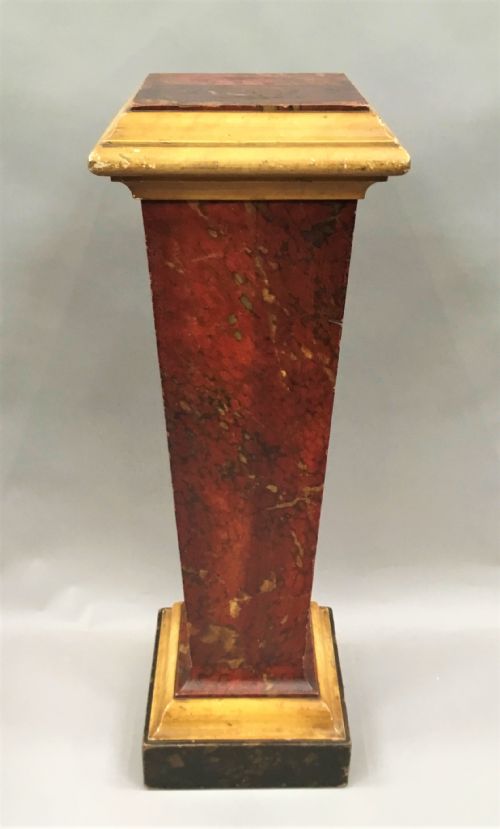


Red Marble Pedestal
A red marble pedestal anchors a room with classical weight, holding sculpture, urns or plants upon dense stone columns.
Red Marble Pedestal
The search for a red marble pedestal brings forward architectural columns, plinths and display stands designed to elevate decorative objects. These pieces emerge primarily from the nineteenth century, drawing heavily on Neoclassical, French Empire and Grand Tour aesthetics.
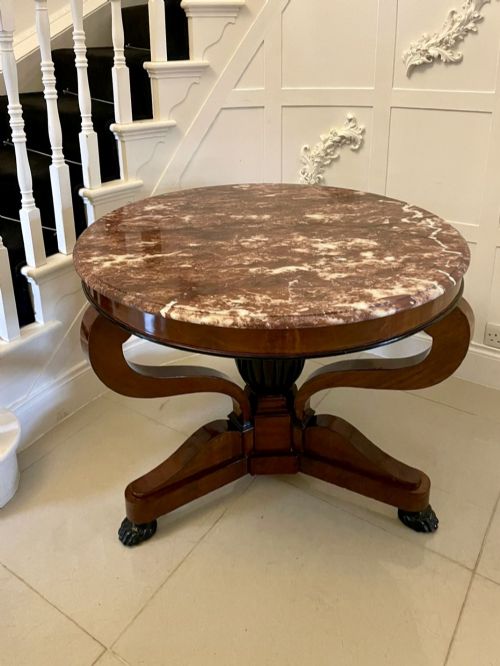
Makers and workshops across Europe turned to rich red stones, including rouge marble and rosso antico, to create imposing columns and stands. Alongside dedicated pedestals, the selection includes related forms like marble-topped centre tables, gueridon tables and jardiniere stands.
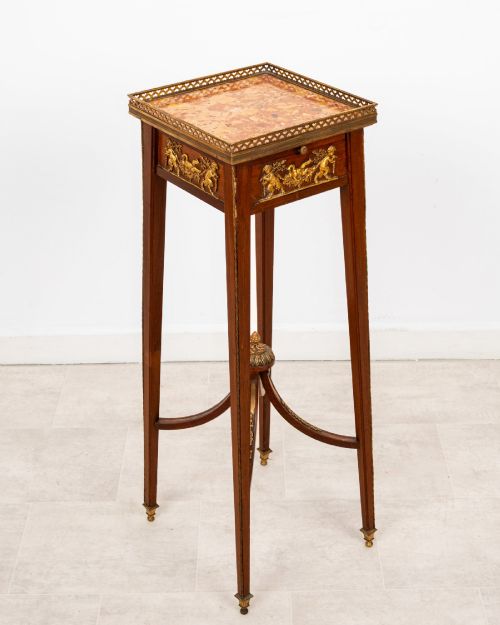
Victorian and continental cabinetmakers utilised these striking stones both for structural columns and as inset tops for mahogany, walnut and gilt tables. Each piece serves to frame sculptures, bronzes or decorative urns with a distinct sense of classical antiquity.
What varies in quality
Quality rests in the selection and geological character of the marble itself, alongside the depth and precision of the stone turning. Finer examples display harmonious, unbroken veining and substantial weight without clumsy repairs to the mineral structure.
The standard of metalwork distinguishes superior pieces, particularly where cast bronze or ormolu mounts are applied. Crisp chasing, weighty proportions and secure integration between the stone and metal demonstrate the skill of the original workshop.
Red Marble Pedestal Retail Price Guide 2026
Typical asking prices for red marble pedestal among the pieces listed under this phrase on Sellingantiques today, from the lower quarter to the upper quarter. They describe what is for sale here now, not the wider market.
Several columns carry the weight of ancient Rome straight into the Victorian parlour, via travellers who packed heavy stone across Europe.
François Linke·Benedetto Boschetti·Weisweller
The Red Marble Pedestal Glossary
- Rosso antico
- An intense dark red antique marble prized by classical sculptors and nineteenth-century Grand Tour makers. It provides a dense, uniform background for decorative stone works.
- Ormolu
- Gilding technique involving finely ground gold mercury applied to bronze. It yields a rich, warm metallic lustre on mounts and pedestals.
- Guéridon
- A small French round table supported by one or more central columns. These frequently feature inset marble tops.
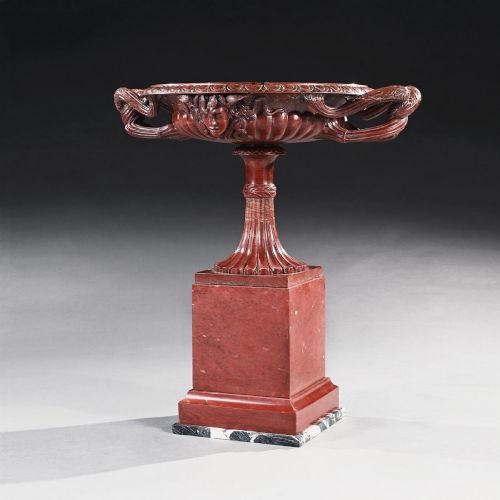
- Tazza
- A shallow bowl or cup mounted on a stem and foot, often carved from solid marble or cast in bronze. They were popular souvenirs of the Grand Tour.
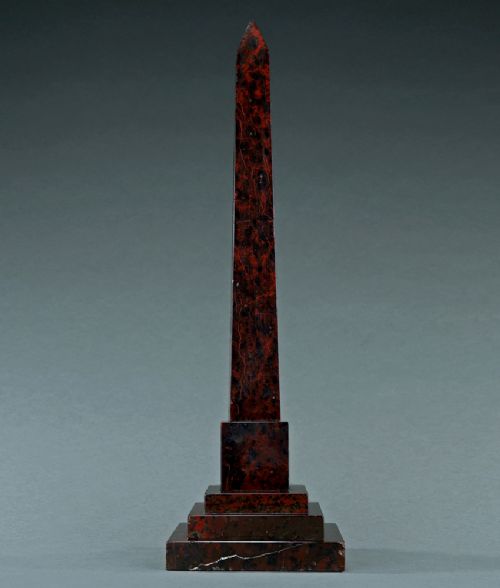
- Serpentine
- A compact rock resembling marble, notable for its mottled green and red shades. It takes a fine polish on obelisks and columns.
Red Marble Pedestal: Frequently Asked Questions
How do I clean red marble?
Dust the surface regularly with a soft, dry cloth to prevent abrasion from grit. Avoid acidic cleaners, vinegar or lemon juice, which etch the polished stone.
Use warm water and a neutral soap if washing is necessary, drying the pedestal thoroughly immediately afterwards. Applying a specialist stone wax periodically helps maintain the natural lustre.
Are these pedestals structurally stable?
Nineteenth-century stone columns and stands are exceptionally heavy and generally stable under normal conditions. Their weight keeps them firmly planted on level flooring.
Position them away from high-traffic areas where accidental impacts might occur. Ensure the floor is completely flat so the stone base rests evenly without rocking.
What is a Grand Tour piece?
Grand Tour items were souvenirs acquired by wealthy travellers touring European cultural centres during the eighteenth and nineteenth centuries. They included miniature bronzes, marble obelisks and tazzas.
These objects replicated ancient classical antiquities for display in domestic settings. Workshops in Rome and Paris specialised in producing these high-status decorative pieces.
How do I date a marble pedestal?
Examine the turning marks, the composition of any metal mounts, and the timber framing if wood is present. Nineteenth-century pieces often show specific Neoclassical or Victorian revival motifs.
Check for hand-chasing on ormolu elements and the natural patina of the stone. Maker signatures or stamps on associated bronzes provide the most precise chronological markers.