





Red Leather Furniture
Red leather furniture brings character and historic utility to a room, spanning grand Victorian pedestal desks and buttoned Chesterfield sofas.
Red Leather Furniture
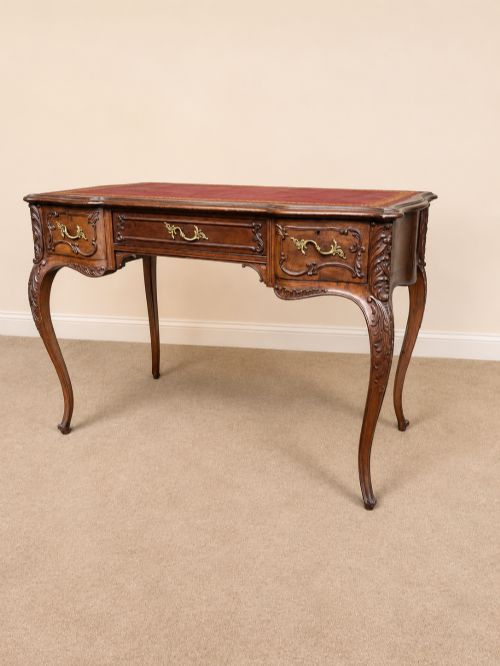
When you search for red leather furniture, you encounter pieces designed primarily for studies, libraries, and drawing rooms across several centuries. The selection here leans heavily towards Victorian and Edwardian desks, writing tables, and seating.
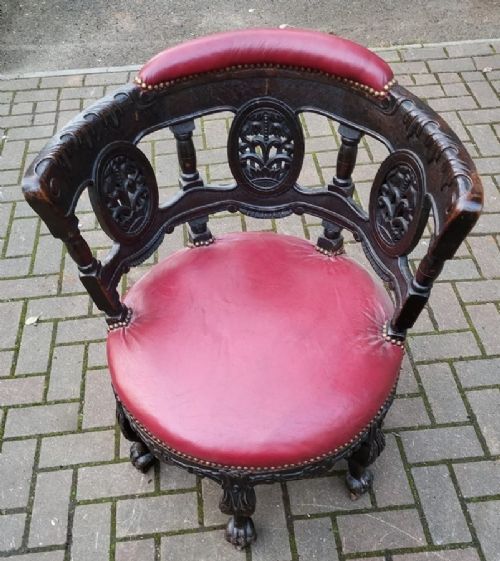
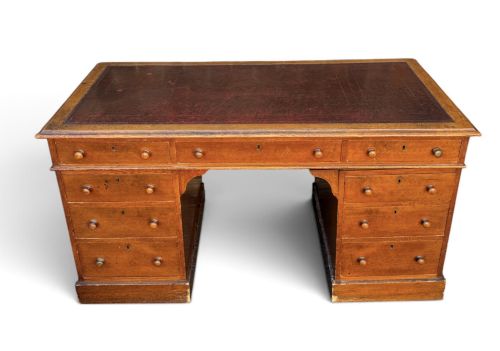
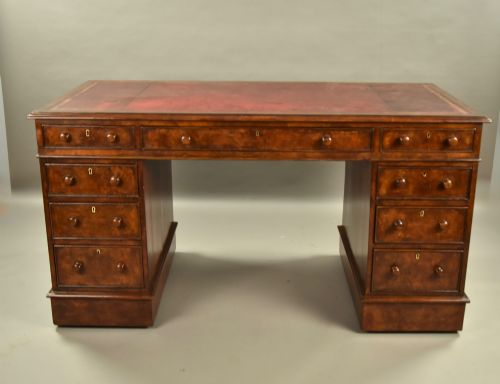
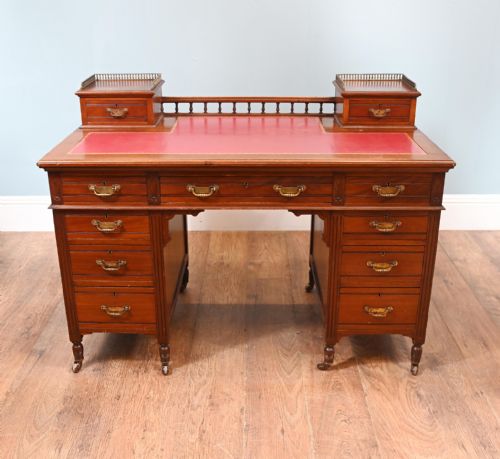
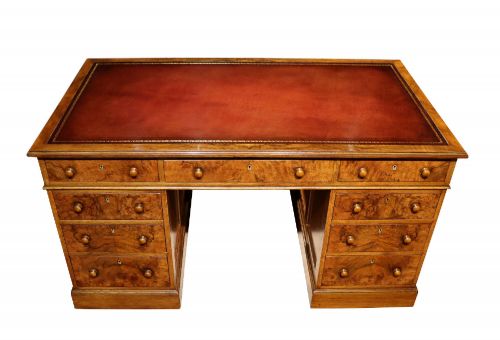
The most common forms on this page include mahogany pedestal desks, Davenport desks, and swivel desk chairs featuring leather inserts or upholstery. These pieces were built to serve heavy daily use in studies and offices, combining functional surfaces with traditional timber frames.
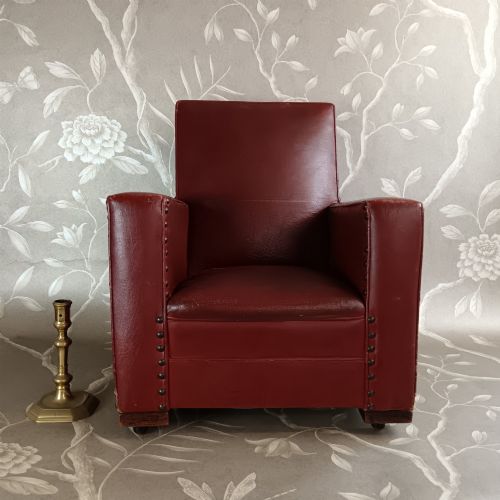
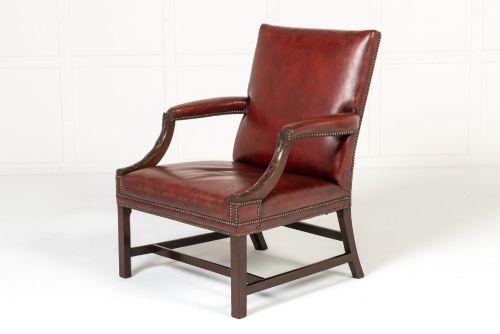
Alongside desks, the evidence includes occasional seating such as Gainsborough chairs and buttoned leather Chesterfield sofas in oxblood and related tones. Each item reflects the domestic and professional habits of the nineteenth and early twentieth centuries.
How they were made
Makers built the structural frames of these pieces using dense timbers such as mahogany, oak, burr walnut, and beech. Joinery relied on traditional methods suited to heavy furniture, ensuring stability across pedestals and desk bodies.
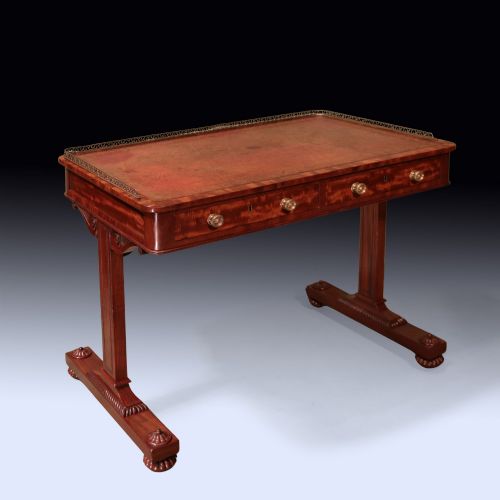
Leather surfaces and upholstery panels were integrated into writing surfaces and seat pads, often secured with brass tacks or tooling along the edges. Secondary materials like brass handles, hinges, and iron mechanisms supported drawers and swivel functions.
Red Leather Furniture Retail Price Guide 2026
Typical asking prices for red leather furniture among the pieces listed under this phrase on Sellingantiques today, from the lower quarter to the upper quarter. They describe what is for sale here now, not the wider market.
Listings feature mahogany, oak, and burr walnut timbers across Victorian and Edwardian desks.
What varies in quality
The distinction between standard commercial pieces and superior items lies in the choice of timber and the precision of the cabinetwork. Finer desks utilise highly figured burr walnut or select mahogany, matched with careful secondary timbers in the drawer linings.
Makers who supplied prominent workshops or retailed through established houses applied greater attention to carving, inlay, and structural joinery. The crispness of details, such as carved mouldings or turned components, elevates certain examples above ordinary utility furniture.
Gillows of Lancaster·S&H Jewell·Heals·Howard & Sons·James Winter & Sons
The Red Leather Furniture Glossary
- Pedestal desk
- A large freestanding desk comprising two supporting pedestals of drawers with a central connecting section. This form usually incorporates an inset leather writing surface.
- Davenport desk
- A compact Victorian writing desk featuring a sloping lid on top of a pedestal of drawers, often with side compartments for stationery.
- Gainsborough chair
- A wide, upholstered armchair with an open frame and padded armrests, dating from the eighteenth century onwards and frequently placed at a desk.
- Chesterfield sofa
- A traditional deep-buttoned sofa with arms and back of the same height, typically upholstered in dark leather.
- Swivel desk chair
- An office chair mounted on a revolving mechanism, allowing the user to turn easily while seated at a pedestal desk.
Red Leather Furniture: Frequently Asked Questions
How do I identify a Victorian desk?
Victorian desks are generally characterised by heavy timbers like mahogany or oak, robust construction, and traditional drawer framing. Stylistic details often follow revival tastes or functional office requirements.
Makers from this era frequently integrated brass hardware and hand-tooled leather writing surfaces into their designs.
What is a Davenport desk?
A Davenport desk is a compact writing cabinet with a sloping desktop that lifts to reveal storage space. A bank of drawers is set into one side of the base.
These pieces were popular in nineteenth-century drawing rooms for correspondence and record keeping.
How should I care for antique leather?
Antique leather requires gentle cleaning and occasional conditioning to maintain its flexibility and colour. Avoid harsh chemical cleaners and keep the material away from direct heat sources.
Proper maintenance preserves the natural grain and historic character of the writing surface or upholstery.