




Red Lacquer Chair
A red lacquer chair brings a bold punch of pigment and history into a room, spanning Chinese elm forms to Italian Rococo seats.
Red Lacquer Chair
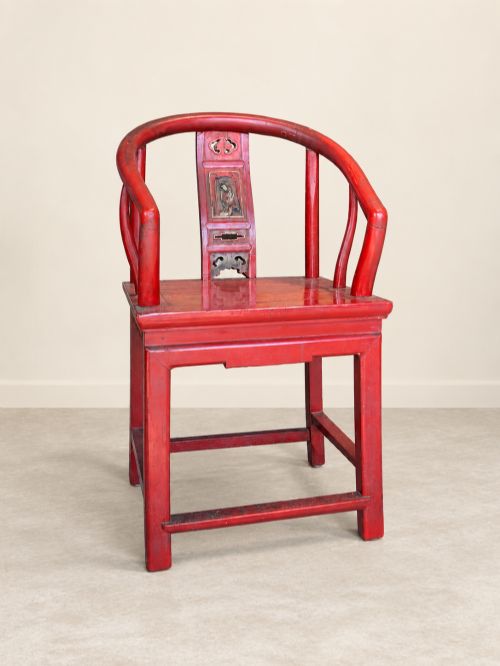
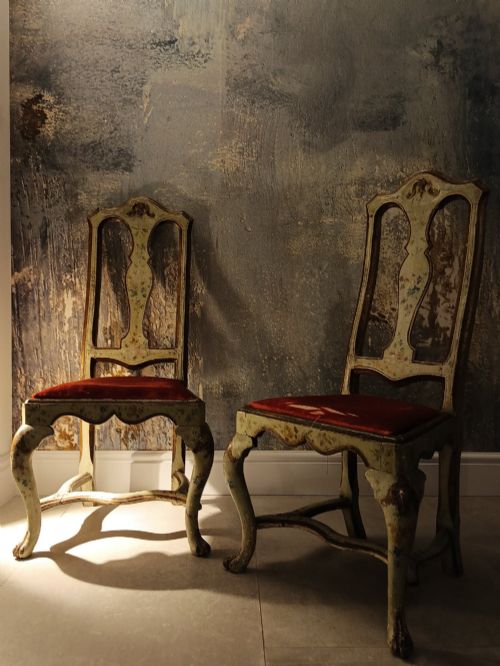
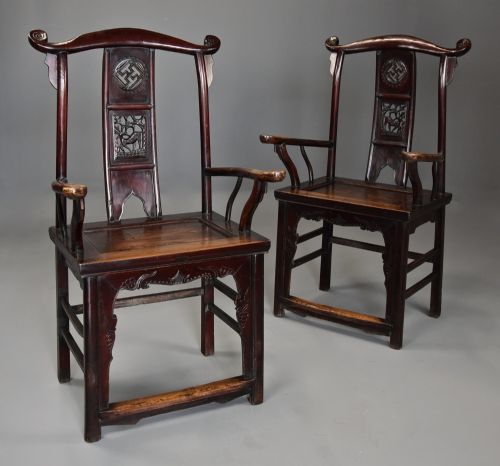
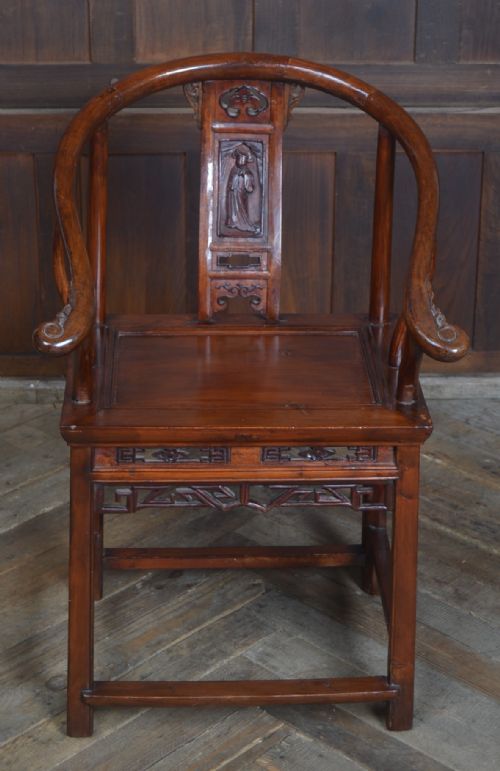
A red lacquer chair draws the eye instantly, offering a striking anchor for a corner or study. When searching for a red lacquer chair, buyers encounter diverse forms ranging from Chinese yokeback armchairs and concubine seats to European chinoiserie and Italian side chairs.
The material vocabulary spans centuries and continents, taking shape in sturdy Chinese elm, walnut, teak, and gesso. Many examples display the rich patination of age alongside hand-painted decoration or woven cane seats.
Asian export pieces and European interpretations sit side by side in the archive and current listings. Chinese Qing Dynasty forms and Victorian revivals dominate the landscape, providing robust seating with distinct cultural narratives.
Materials and construction
Makers built these frames from hardwoods such as elm, teak, and walnut, often applying layers of lacquer and gesso to the wooden substrate. This protective coating received pigments, sometimes accompanied by gilding or hand-painted details.
Seating portions frequently incorporate woven cane or drop-in pads upholstered in materials like velvet. Traditional joinery underpins the structural integrity of both Chinese elm armchairs and European revival pieces.
Listings feature items spanning the 18th century through the 1920s, constructed in elm, teak, walnut, and cane.
Assessing quality and craftsmanship
The depth and preservation of the original lacquer finish dictate much of the visual appeal. Surfaces showing natural wear, stable patination, and intact painted details command greater appreciation than heavily restored or later repainted skins.
Construction rigour separates robust examples from fragile ones. Tight joinery in hardwoods like elm or walnut ensures the chair remains functional rather than purely decorative.
The Red Lacquer Chair Glossary
- Lacquer
- A durable finish applied in multiple layers to wood surfaces. It provides a glossy, protective coat that often accepts rich pigments and decorative painting.
- Yokeback
- A traditional Chinese chair style featuring a top creipiece that curves upward and outward like a yoke. These armchairs balance ergonomic comfort with sculptural restraint.
- Chinoiserie
- European decorative style reflecting Chinese artistic influences. It gained popularity during various periods, producing lacquered furniture with distinct oriental motifs.
- Cane
- Woven rattan material used for seat panels. It offers lightweight flexibility and visual lightness to the frame.
- Gesso
- A plaster-like mixture applied to wood surfaces to prepare them for painting and gilding. It creates a smooth base for intricate lacquer work.
Red Lacquer Chair: Frequently Asked Questions
How do I style a red lacquer chair?
Place it as a single accent piece against neutral walls to let the vivid colour command attention. It works well in a hallway, study, or bedroom where the bold finish contrasts with softer textiles.
Avoid crowding it with too many competing patterns. Let the surrounding furniture remain understated so the lacquered frame stands out.
Are these chairs suitable for daily use?
Sturdy hardwood frames made from elm or walnut handle regular sitting quite well. Check the condition of cane or upholstered seats to ensure they support weight safely.
Lighter decorative side chairs suit occasional seating rather than heavy lounging. Treat antique finishes with care to prevent unnecessary surface scratching.
How can I tell Chinese export from European chinoiserie?
Examine the underlying timber and construction methods, as Chinese pieces frequently utilise local woods like elm. European versions often employ walnut, beech, or mahogany matching regional cabinetmaking traditions.
Motifs and finishing techniques also offer clues regarding the origin workshop. Subtle differences in the application of gesso and paint separate Asian domestic production from Western interpretations.