






Red Kilim Cushion
A red kilim cushion brings warmth and texture into a room, formed from flatweave textiles originally made by nomadic and tribal weavers.
Red Kilim Cushion
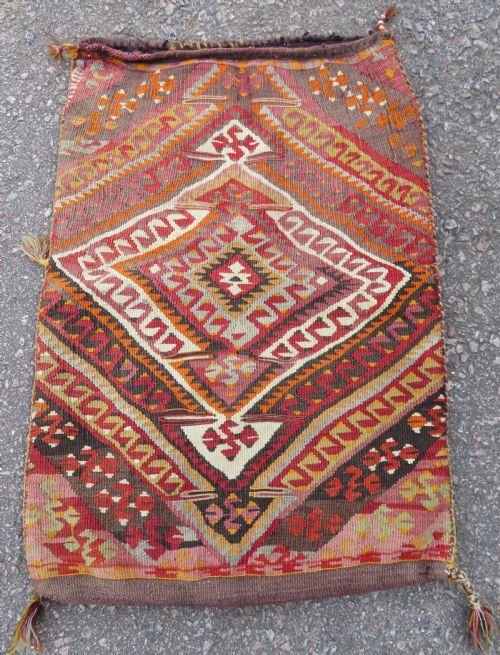
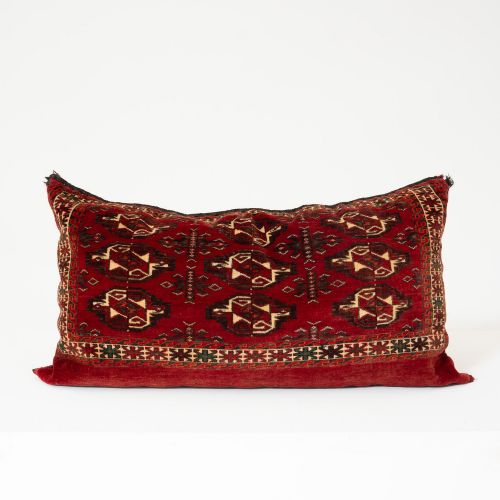
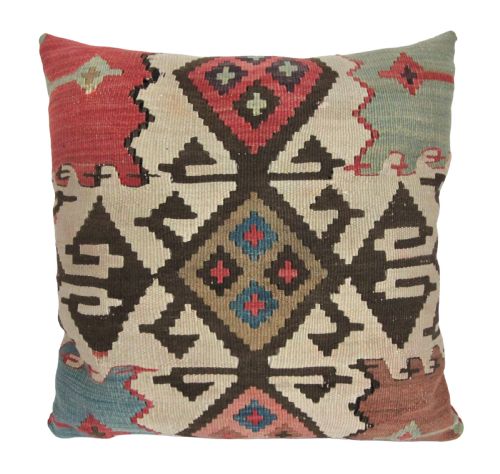
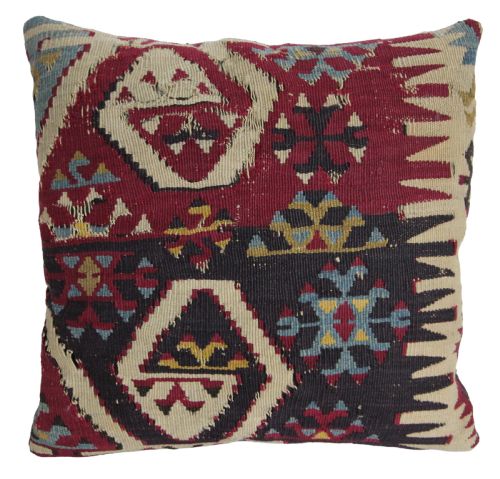
A red kilim cushion is constructed from antique flatweave textiles, including storage bags, grain sacks, and saddlebags, which are repurposed into soft furnishings. The pieces found here originate from tribal and nomadic groups in regions such as Anatolia, Persia, Central Asia, and the Caucasus.
The most common formats on this page are bag faces and grain sacks, adapted into cushions while retaining their original woven structures. Dating spans from the mid nineteenth century through the early twentieth century, encompassing periods like eighteen seventy and nineteen twenty.
These textiles reflect the utilitarian origins of tribal weaving, where flatweaves served practical functions in nomadic tents before being converted for interior decoration. Each cushion carries the distinct structural patterns and motifs of specific weaving traditions.
Materials and construction
The primary material used is wool, often hand-spun, combined with cotton and occasionally goat hair for structural durability in the flatweave fabric. Natural dyes provide the characteristic red coloration and secondary hues seen across the tribal and nomadic pieces.
Weavers utilised traditional flatweave techniques without pile, creating geometric patterns and banded designs directly in the warp and weft. These methods ensure a flat, firm textile surface suitable for cushion conversion while preserving the integrity of the original tribal work.
Red Kilim Cushion Retail Price Guide 2026
Typical asking prices for red kilim cushion among the pieces listed under this phrase on Sellingantiques today, from the lower quarter to the upper quarter. They describe what is for sale here now, not the wider market.
Listings feature wool, cotton, and natural dyes utilised in flatweave cushions originating from nineteenth and early twentieth-century tribal traditions.
Assessing quality in flatweave cushions
Quality rests in the fineness of the hand-spun wool and the tightness of the flatweave construction, which determines how well the textile holds its form as a cushion. Tighter weaves and crisper geometric motifs indicate greater skill by the original weaver.
The integrity of the source textile, such as a well-preserved bag face or saddlebag panel, dictates the character of the finished piece. Greater visual clarity in the natural dyes and preservation of the original banded or tribal design elevate the standard of the cushion.
The Red Kilim Cushion Glossary
- Kilim
- A flatweave textile produced without a pile by tightly interweaving warp and weft strands. This technique results in a lightweight, durable fabric with identical patterns visible on both sides.
- Chuval
- A large tent storage bag made by Turkmen tribes, often featuring distinctive guls or repeated geometric medallions. Fragments of these bags frequently form the front of decorative cushions.
- Mafrash
- A rectangular storage container or transport bag used by nomadic groups for bedding and household items. The panels are adapted into flatweave cushions and decorative textiles.
- Flatweave
- A method of weaving where no vertical pile knots are tied into the foundation. The resulting textile relies entirely on the interplay of warp and weft threads.
- Natural dye
- Colouring derived from plant, insect, or mineral sources rather than synthetic compounds. These dyes yield the rich reds and earthy tones characteristic of older tribal rugs.
Red Kilim Cushion: Frequently Asked Questions
What is a kilim cushion?
A kilim cushion is made by repurposing flatweave tribal rugs, grain sacks, or storage bags into soft furnishings. The resulting piece displays traditional geometric patterns created by nomadic weavers.
These cushions bring historical textile art into domestic interiors, combining practical seating support with distinctive regional designs from the nineteenth and early twentieth centuries.
How do I care for an antique cushion?
Maintenance involves gentle vacuuming with low suction and avoiding direct, prolonged exposure to sunlight to protect the natural dyes. Professional textile cleaning is recommended for deeper maintenance.
Using a suitable inner pad helps maintain the structure of the flatweave textile without placing undue strain on the historic wool and cotton fibres.
Where do these cushions originate?
The textiles originate from tribal and nomadic groups across Anatolia, Persia, Central Asia, and the Caucasus. Communities such as the Qashqa'i, Yomut, and Kurdish tribes produced the original flatweaves.
Each region developed specific palettes and geometric vocabulary, allowing collectors to trace the tribal origins of the materials used in the cushion.
Are these cushions made from old rugs?
They are constructed from authentic antique flatweaves, including saddlebag faces, wheat sacks, and storage bags dating from the nineteenth and early twentieth centuries. These functional items are carefully repurposed into cushions.
This practice preserves fragments of tribal textiles that might otherwise be lost, transforming them into usable decorative objects for modern homes.