





Red Japanese Art
Red japanese art brings together intricate porcelain, carved wood and vivid enamel from the nineteenth and early twentieth centuries.
Red Japanese Art
Red japanese art encompasses a diverse range of objects, from traditional Imari porcelain plates and chargers to sculptural Sumida Gawa pottery vases. Buyers searching for this phrase encounter items spanning the Edo, Meiji, Taisho and Showa periods, capturing centuries of meticulous craftsmanship.
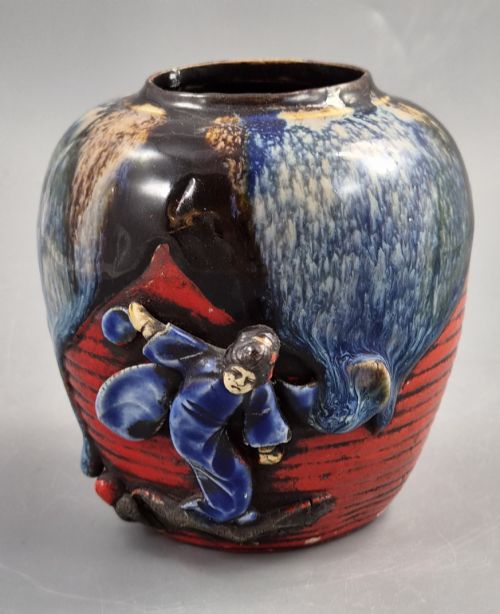
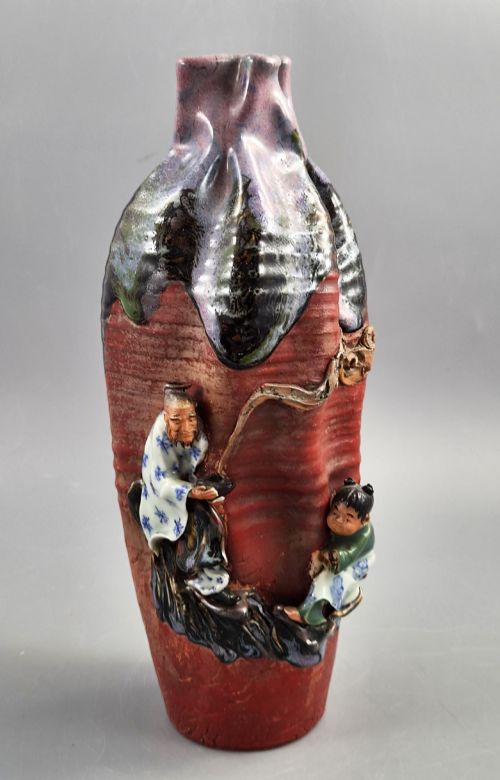
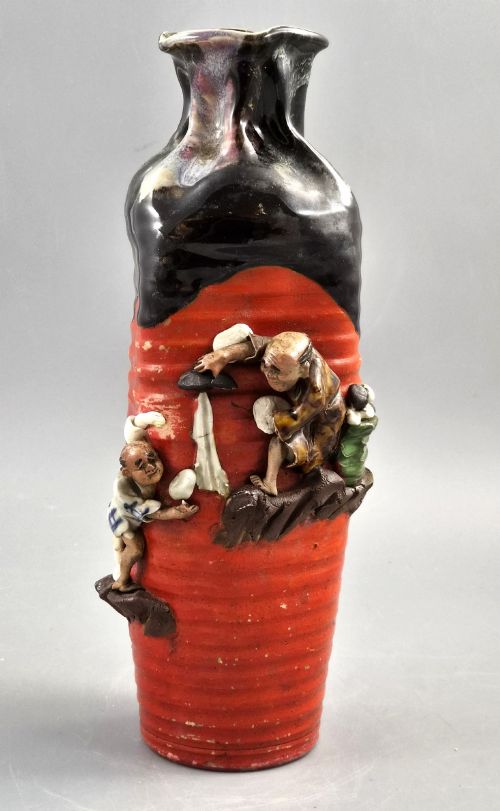
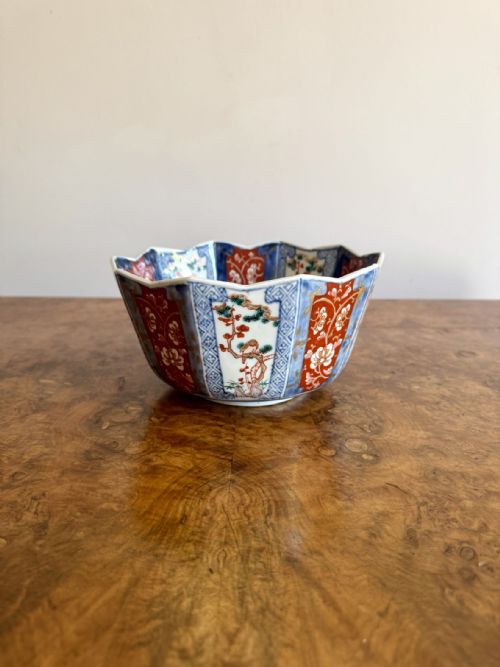
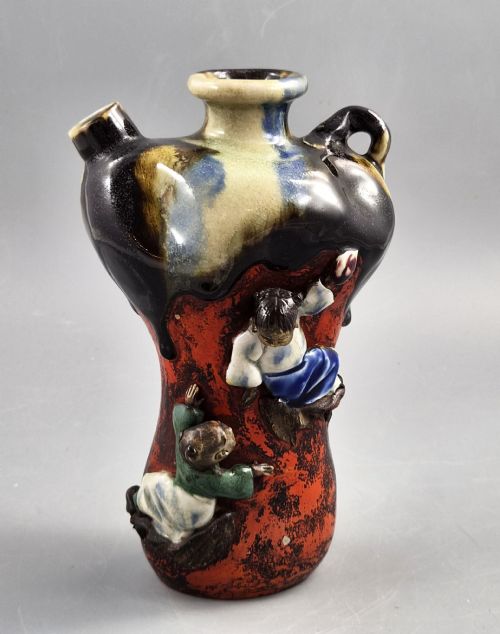
The most common pieces on this page are decorative Imari plates and bowls featuring rich iron-red underglazes, alongside earthenware vessels adorned with applied figures and flambe glazes. These items reflect the varied aesthetic movements of historic Japan, prized for their expressive use of colour and texture.
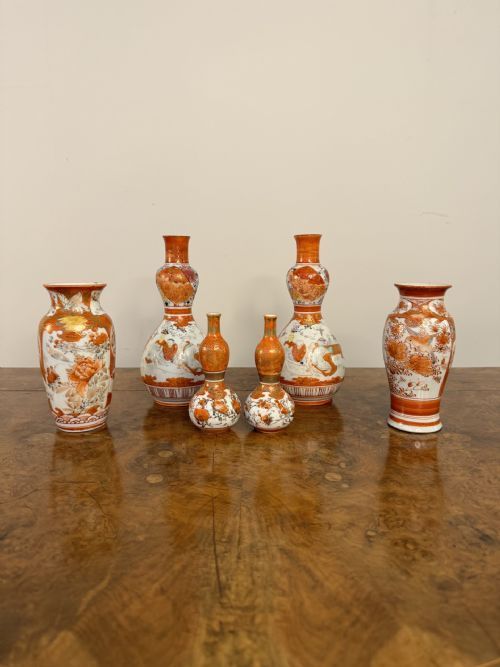
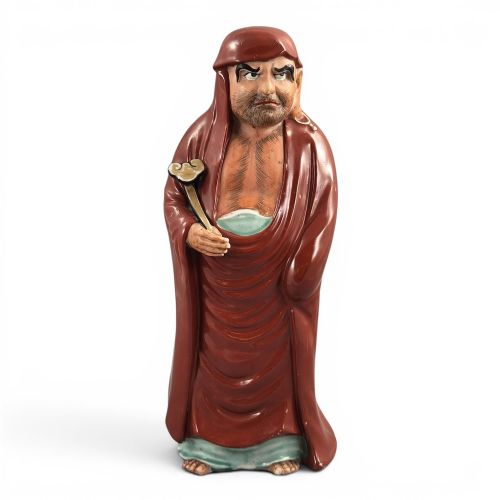
Vessels and wall pieces dominate the selection, including tall vases, lidded netsuke, framed lacquer panels and glass paintings. Each category demonstrates specific regional traditions, such as Kutani porcelain figures or Sumida Gawa pottery signed by known makers.
Materials and construction
Makers utilised porcelain and earthenware as foundations for detailed painting, enamel work and heavy glazes. Gold leaf and bright pigments were frequently applied over or beneath glazes to create depth and contrast.
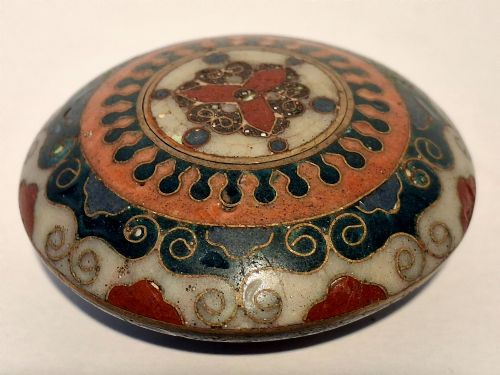
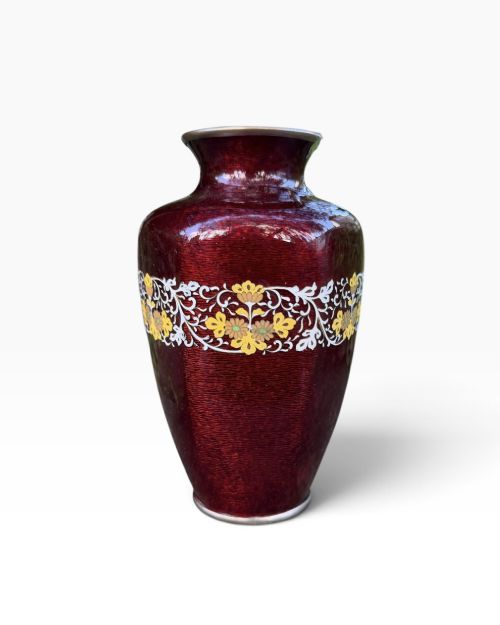
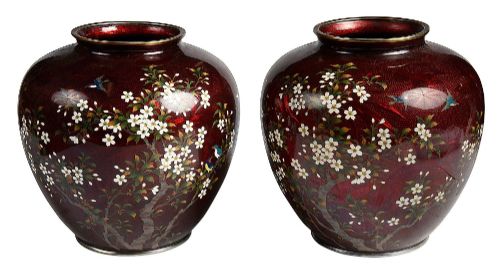
Techniques such as ginbari cloisonne involved laying down textured foil beneath translucent enamel to catch the light. Wood and lacquer pieces required careful carving and layering, sometimes incorporating mother of pearl and abalone shell for added dimension.
Red Japanese Art Retail Price Guide 2026
Typical asking prices for red japanese art among the pieces listed under this phrase on Sellingantiques today, from the lower quarter to the upper quarter. They describe what is for sale here now, not the wider market.
Cats appear frequently in Japanese glass paintings and carved amber netsuke, lounging beside historic beauties.
Assessing quality and execution
The standard of a piece rests on the precision of its painted or carved details, such as the fine lines on Imari porcelain or the expressive modeling of applied figures on Sumida Gawa pottery. Superior examples display confident brushwork and balanced compositions without heavy or muddled pigments.
Signatures from established workshops or individual artists elevate an item, showing deliberate craftsmanship rather than mass production. The condition of delicate surface treatments, including enamel, lacquer and gold leaf, also dictates the overall standing of the object.
Inoue Ryosai·Ban ni·Takabatake Kasho
The Red Japanese Art Glossary
- Imari
- A style of Japanese porcelain decorated in underglaze blue and iron-red, often accented with gold. This ware was widely exported to Europe from the port of Imari during the Edo period.
- Cloisonne
- Enamelwork in which thin metal wire is soldered to a metal base to form compartments filled with paste and fired. The resulting surface is polished smooth to reveal intricate geometric or pictorial designs.
- Sumida Gawa
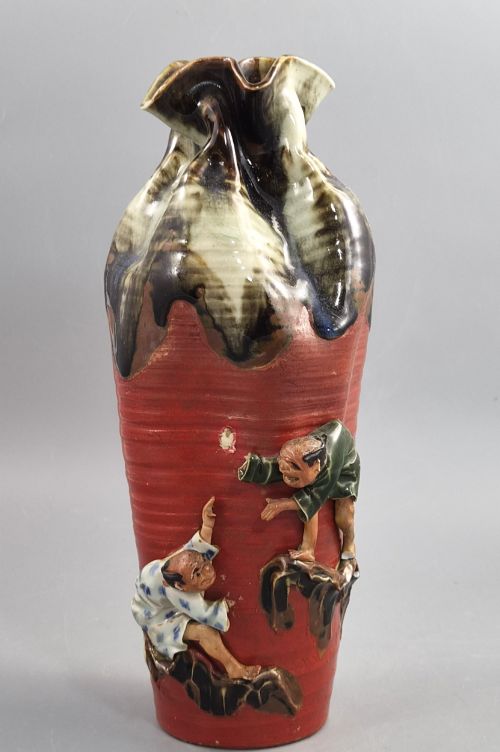
- A type of Japanese pottery originating near Tokyo, noted for its heavy flambe glazes and applied, highly modeled figures climbing the sides of vessels. These pieces often feature textured pinched rims and signatures from individual potters.
- Kutani
- Japanese porcelain decorated with vibrant overglaze enamels, typically featuring greens, reds, yellows and purples. Items often depict figures, birds or floral patterns with strong local character.
- Netsuke
- A small carved toggle fastened to the end of a cord attached to a small pouch or traditional container worn on a kimono sash. They were carved from wood, ivory or amber and shaped into figures, animals or masks.
- Okimono
- A small decorative Japanese figurine designed for display on a household shelf or in a traditional alcove. These sculptures are carved from wood, ivory or formed from porcelain.
Red Japanese Art: Frequently Asked Questions
What is red japanese art?
Red japanese art covers historic decorative items from Japan that feature prominent red tones, primarily seen in Imari porcelain, lacquerware, and enamel pieces. These objects range from large ceramic chargers to small carved wooden netsuke.
The selection reflects various eras, including the Meiji and Taisho periods, showcasing traditional manufacturing techniques and distinctive regional styles that appealed to both domestic and international collectors.
How were Imari plates used?
Imari plates and chargers were largely created for display in wealthy homes or for export to European markets during the late nineteenth century. Their bold iron-red and cobalt blue colour schemes made them striking focal points on walls and sideboards.
While some smaller bowls and dishes served practical dining functions, many of the larger chargers were treated purely as decorative works of art due to their intricate gilding and painted detail.
How do I care for lacquerware?
Lacquerware requires gentle handling to prevent scratching, chipping, or fading caused by direct sunlight and dry indoor environments. Dust the surface lightly with a soft, dry cloth and avoid harsh cleaning agents or immersion in water.
Keep these pieces away from extreme temperature fluctuations, which can cause the underlying wood or base material to expand and compromise the lacquer coating.
How do I identify Meiji period pieces?
Meiji period items often exhibit a high degree of technical mastery, blending traditional motifs with new influences gained from trade with the West. Look for fine metalwork in cloisonne, complex glaze effects on pottery, and occasional maker signatures.
Stylistic elements tend to be ornate and ambitious, reflecting an era when Japanese craftsmen sought to showcase their skills at international exhibitions.