

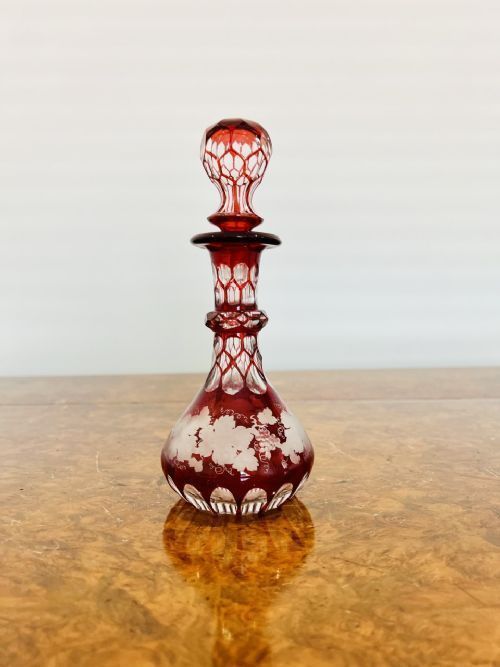
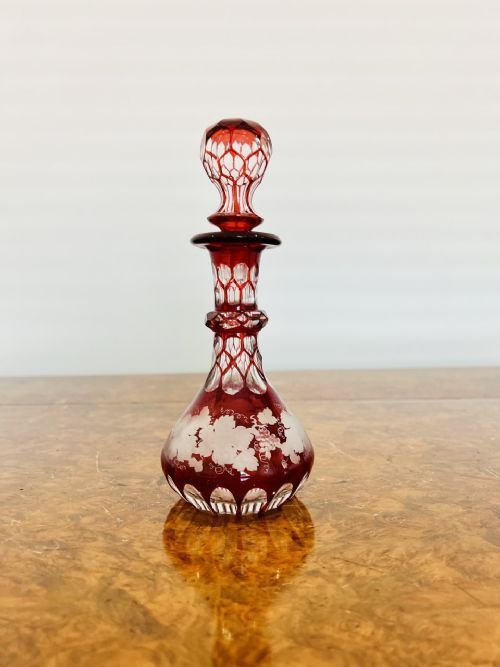


Red Glass Vanity Bottle
A red glass vanity bottle brings vibrant colour and tactile weight to a dressing table, combining rich glassmaking traditions with precious metal mounts.
Red Glass Vanity Bottle
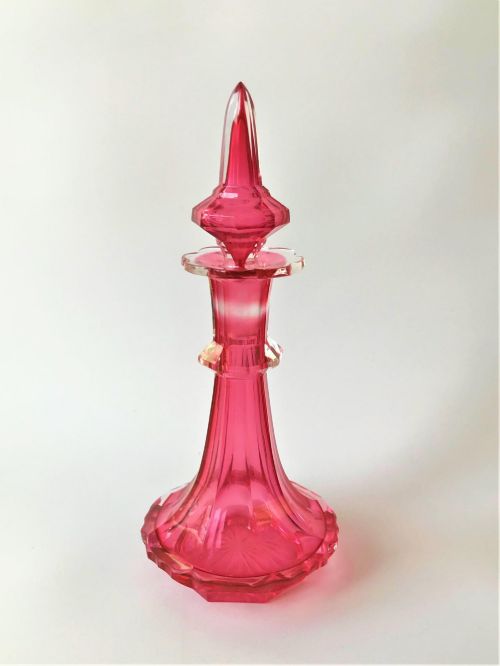
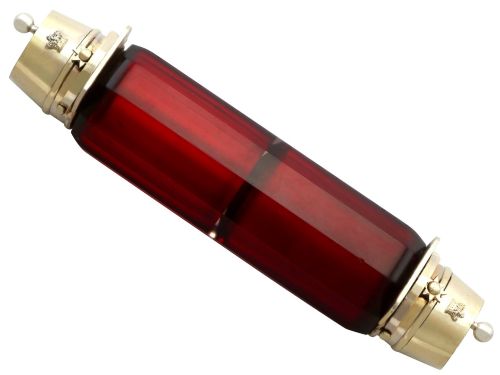
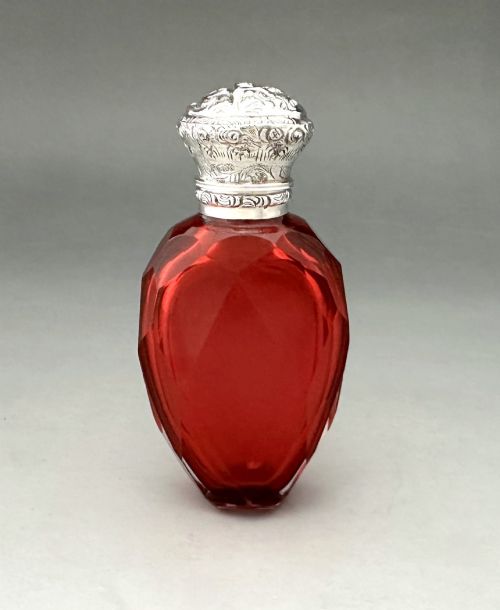
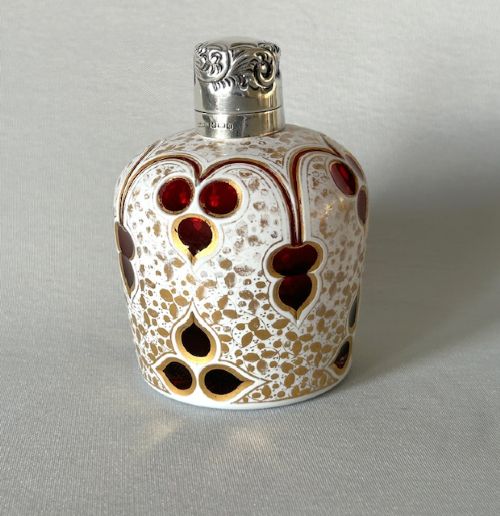
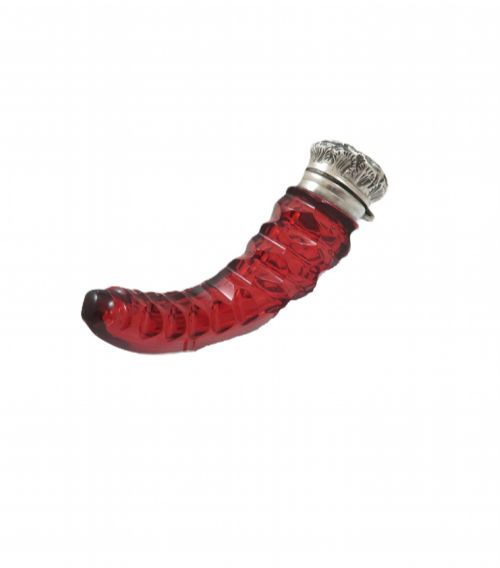
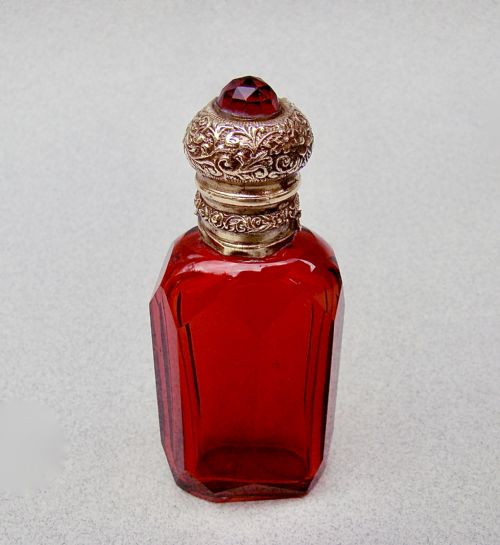
A red glass vanity bottle is a portable vessel designed for holding scent, perfume, or cologne on a dressing table. The selection spans Victorian, Edwardian, and Art Deco periods, encompassing forms from simple scent bottles to elaborate vanity sets and caskets.
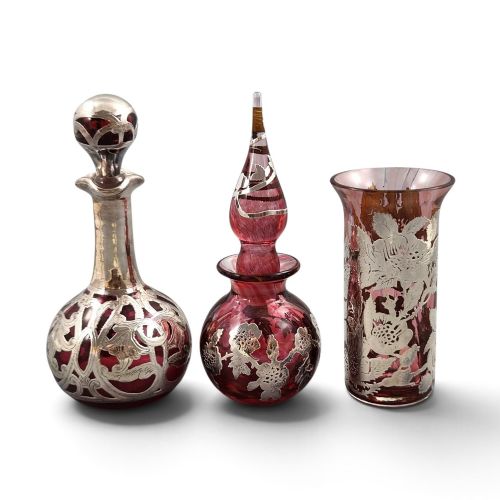
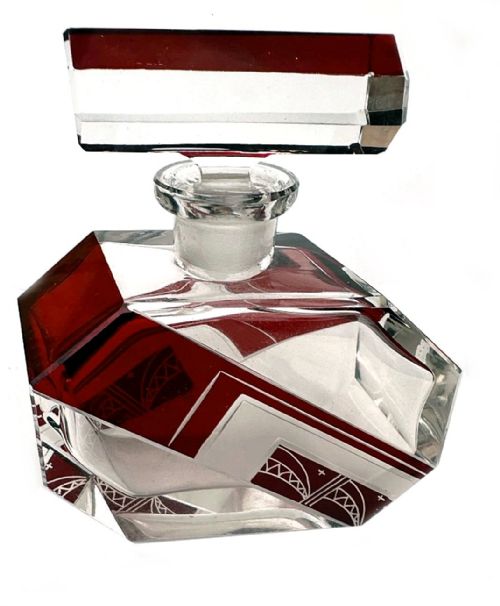
Victorian examples frequently pair ruby or cranberry glass with sterling silver, often featuring cut or overlay techniques. Edwardian pieces continue this silver-mounted tradition with slender silhouettes, while Art Deco items introduce geometric cut glass and enamel work from makers such as Karl Palda.
French nineteenth-century pieces bring distinct decorative flair through ormolu mounts and gilded accents. Collectors encounter everything from small pocket scent bottles to large crystal cut glass perfume atomisers.
How they were made
These bottles rely on the combination of coloured glass and metalwork, utilising ruby or cranberry glass formed through traditional blowing and cutting methods. Artisans applied gold leaf, enamel, or silver overlay directly onto the glass surface to create layered decorative effects.
Mounts and stoppers typically incorporate sterling silver, ormolu, or embossed leather for caskets. Makers shaped the glass through heavy cutting or overlay techniques, then secured metal collars and hinged lids to complete the vessels.
Red Glass Vanity Bottle Retail Price Guide 2026
Typical asking prices for red glass vanity bottle among the pieces listed under this phrase on Sellingantiques today, from the lower quarter to the upper quarter. They describe what is for sale here now, not the wider market.
Some Victorian scent bottles doubled as spirit flasks for a discreet nineteenth-century sip on the move.
What varies in quality
Quality rests in the depth of the glass colour and the crispness of the cutting, where sharp facets catch the light differently than softer, moulded surfaces. The integration between glass bodies and their silver or ormolu mounts dictates the overall refinement of the piece.
The presence of intact enamel, original stoppers, and identifiable maker marks elevates certain examples. Heavier crystal blanks and complex silver overlay work separate standard production items from finer studio pieces.
Gorham·Karl Palda·Clichy
The Red Glass Vanity Bottle Glossary
- Ruby glass
- A deep red glass coloured with gold chloride during the manufacturing process. It provides the dark, saturated tone seen in many nineteenth-century pieces.
- Cranberry glass
- A transparent pinkish-red glass produced by adding copper or gold to the molten batch. It is lighter in tone than ruby glass and common in Victorian scent bottles.
- Ormolu
- Gilded bronze used widely for decorative mounts and frames on French nineteenth-century vanity items. It adds a warm metallic contrast to the red glass body.
- Silver overlay
- A technique where sterling silver is applied directly onto the glass surface in intricate patterns. It creates a tactile relief effect against the smooth glass background.
Red Glass Vanity Bottle: Frequently Asked Questions
How do I date a red glass vanity bottle?
Dating relies on stylistic clues such as Victorian Gothic silver mounts, Edwardian slender forms, or Art Deco geometric cutting. Hallmarks on silver collars provide precise assay years and maker marks.
Material combinations also guide the timeline, as mercury glass and heavy ormolu mounting point firmly to the nineteenth century while enamel geometric patterns belong to the 1930s.
What is the difference between ruby and cranberry glass?
Ruby glass uses gold chloride to achieve a deep, saturated red hue that often appears almost black until light passes through it. Cranberry glass employs a lighter formula resulting in a brighter, translucent pinkish-red tone.
Both appear frequently across Victorian vanity items, though they create distinct visual moods on a dressing table.
Are original stoppers important for these bottles?
Original stoppers complete the silhouette and integrity of a scent bottle, making them significant for collectors. Finding a piece with its matching glass or dauber stopper preserves the intended design.
Replacement stoppers are common due to the fragile nature of small glass components over generations of use.
How should I clean silver mounts on glass?
Cleaning requires careful avoidance of harsh polishes that might stain the surrounding glass or damage enamel and gold leaf accents. A soft cloth applied gently around the silver collar prevents moisture seepage into the bottle.
Care must be taken with antique mercury glass or silver overlay to preserve the delicate surface adhesion.