


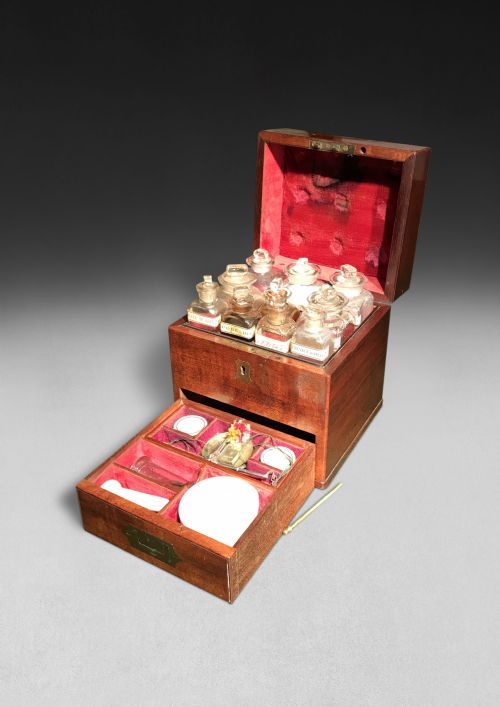


Red Glass Box
These red glass box items bring rich colour and tactile charm to a room, offering a small, brilliant focal point for any collector.
Red Glass Box
When you search for a red glass box, you are looking at small ornamental containers and dressing accessories from periods such as the Edwardian era and the 1920s. These pieces often take the form of trinket boxes with contrasting metal lids, reflecting the decorative tastes of their time.
The items found here sit alongside related Georgian, Victorian, and Regency objects like bijouterie tables, scent bottles, and tortoiseshell desk stands. Cranberry glass elements frequently provide the striking red tones that define this category.
Most examples serve as intimate receptacles for small valuables, bringing vibrant glasswork together with silver or brass fittings. They represent the fine craftsmanship applied to everyday dressing table accessories across the nineteenth and early twentieth centuries.
How they were made
Makers shaped these objects using traditional glassblowing and moulding techniques, often combining rich red or cranberry glass with metal mountings. Silver lids and brass collars were carefully fitted to the glass bodies to create secure containers.
Enamelling and embossing techniques were frequently applied to surface details, adding texture and pattern to the finished pieces. The integration of glass with metalwork required precise engineering to ensure a snug and lasting fit.
Red Glass Box Retail Price Guide 2026
Typical asking prices for red glass box among the pieces listed under this phrase on Sellingantiques today, from the lower quarter to the upper quarter. They describe what is for sale here now, not the wider market.
Some nineteenth-century boxes were designed with secret compartments just large enough for a single hidden love note.
What varies in quality
Quality in these pieces rests upon the depth of the glass colour and the crispness of any applied metalwork or enamelling. Finer examples display smooth, even glass surfaces without heavy bubbles, paired with well-fitted, hallmarked metal lids.
The refinement of the decorative details, such as delicate floral enamelling on cranberry glass, distinguishes superior items from simpler utilitarian versions. Balance and proportion in the mounting also signal the hand of a more skilled maker.
The Red Glass Box Glossary
- Cranberry glass
- A type of transparent red glass produced by adding gold chloride to the molten metal. It is commonly found in nineteenth-century scent bottles and trinket containers.
- Bijouterie table
- A glass-topped display table designed to showcase small decorative objects and trinkets. These tables often feature mahogany or rosewood frames.
- Trinket box
- A small container intended for holding jewellery or other small personal items. They frequently feature hinged lids and decorative metal mounts.
- Desk stand
- An accessory piece designed for a writing desk, often incorporating inkwells and compartments. They appear in materials like tortoiseshell and inlaid brass.
- Apothecary box
- A fitted wooden chest designed to hold medicinal bottles and powders. These boxes often include internal partitions and secure locks.
Red Glass Box: Frequently Asked Questions
What is a red glass box used for?
These boxes were traditionally used on dressing tables to store small trinkets, rings, or pins. Today they serve as decorative accents that add a splash of vibrant colour to a mantelpiece or shelf.
Their compact size makes them ideal for holding modern small items while displaying historical craftsmanship in a domestic setting.
How do I date a red glass box?
Dating relies on examining the style of the metal mounts, hallmarks on any silver lids, and the specific shade of the glass. Edwardian and 1920s pieces often feature distinct enamelling patterns compared to earlier Victorian items.
Matching the manufacturing techniques of the glass body to known historical periods helps narrow down the exact decade of origin.
Are these glass boxes fragile?
While the glass itself is robust, the mounted metal hinges and delicate enamelled surfaces require careful handling. Keeping them on stable surfaces away from high-traffic edges protects them from accidental knocks.
Regular, gentle dusting with a soft cloth keeps the glass and metal components bright without risking abrasion.
What styles accompany red glass boxes?
You will often find these items displayed alongside Edwardian mahogany furniture, Georgian mirror frames, and Regency rosewood accessories. They complement the rich tones of period wood surfaces.
Their vibrant red hues contrast handsomely with dark timbers like mahogany, walnut, and tortoiseshell.