





Red Glass Bottle
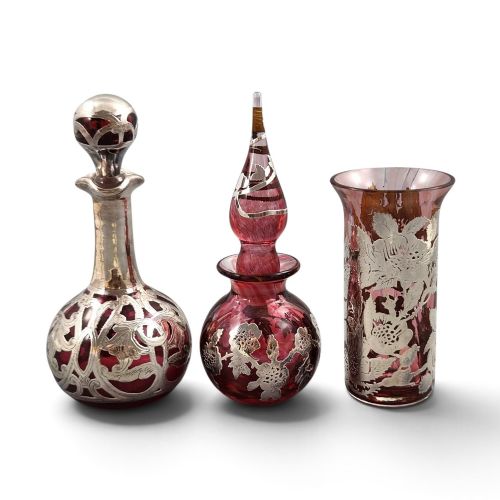
These red glass bottle pieces bring deep ruby and cranberry tones to dressing tables and cabinets, offering rich colour and period metalwork.
Red Glass Bottle
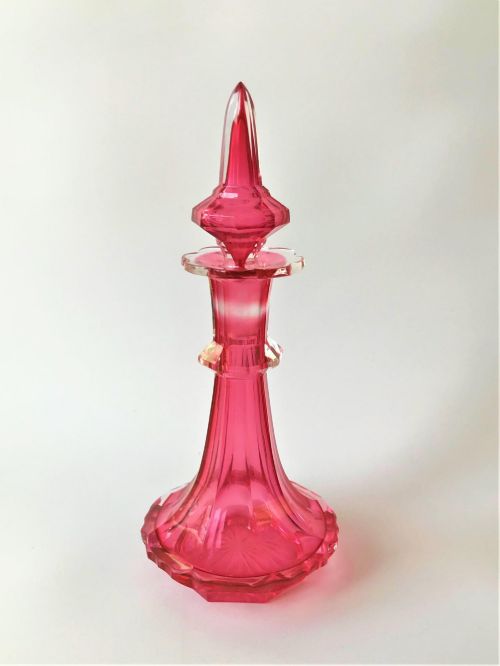
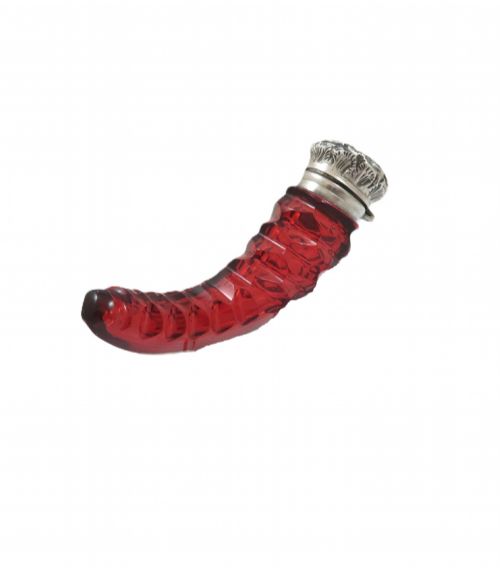
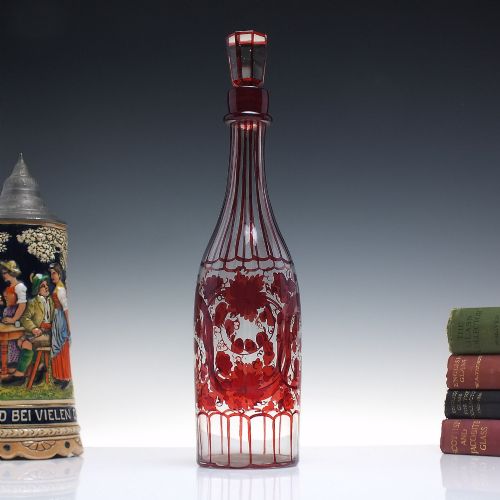
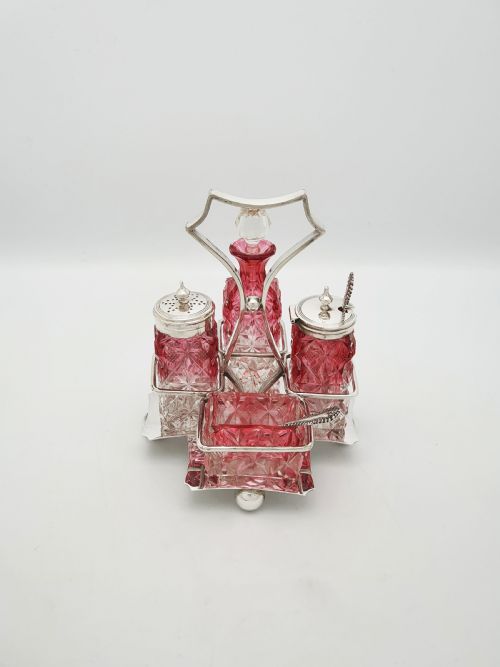
A red glass bottle spans small pocket perfume containers to large dining table decanters and carafes. The phrase covers items produced across the nineteenth and twentieth centuries, taking forms such as scent flasks, vanity sets and cruet vessels.
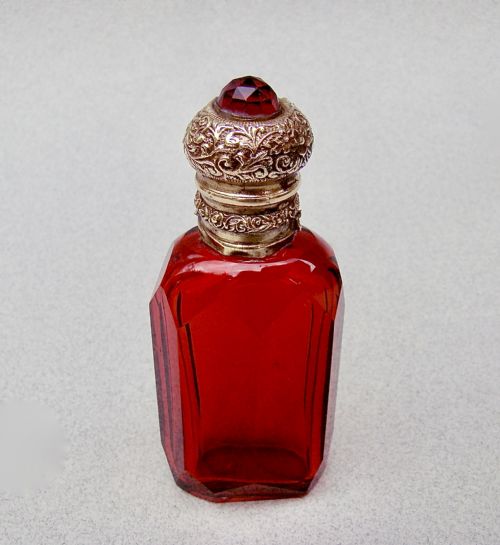
Victorian and Edwardian examples dominate the selection, frequently paired with sterling silver mounts, hinged caps or glass stoppers. Makers from French and Bohemian workshops also appear alongside English designs.
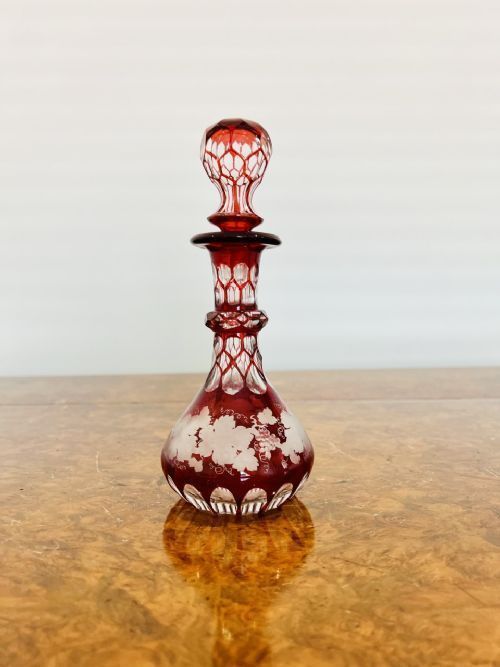
Smaller receptacles often feature cut patterns or silver overlay, while larger serving vessels display rich cranberry or ruby hues intended for formal hospitality.
Materials and construction
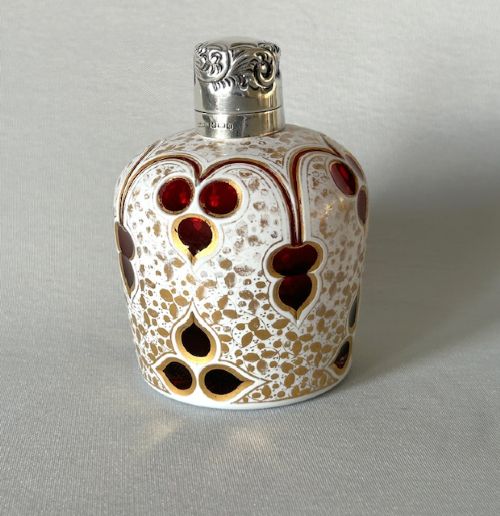
Makers utilised layered techniques such as overlay and flashing, fusing clear crystal with deep cranberry or ruby glass to allow surface cutting. This method exposed the clear material underneath for contrast.
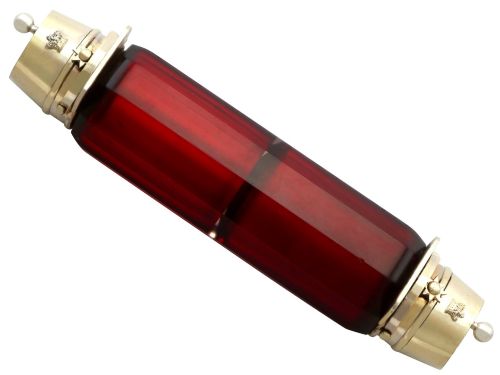
Metalwork played a structural role, with sterling silver, ormolu and enamel fitted directly to the necks and bodies as collars, screw caps or decorative overlays.
Red Glass Bottle Retail Price Guide 2026
Typical asking prices for red glass bottle among the pieces listed under this phrase on Sellingantiques today, from the lower quarter to the upper quarter. They describe what is for sale here now, not the wider market.
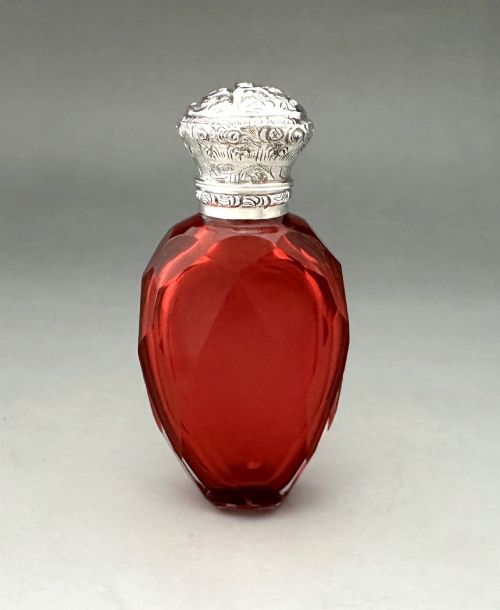
Several Victorian scent bottles took unconventional animal and fruit shapes, including an egg design mounted in silver.
Judging the standard
The standard of a piece rests upon the crispness of the glass cutting and the weight of the metal mountings. Deep, even colour saturation throughout the body indicates superior material preparation.
Fine examples display fully integrated silver collars bearing clear hallmarks alongside well-fitted original stoppers or atomisers that match the scale of the vessel.
Gorham·Karl Palda·Rene Lalique
The Red Glass Bottle Glossary
- Cranberry glass
- A transparent pinkish red glass coloured with gold chloride during production. It gained popularity during the Victorian era for tableware and scent containers.
- Ruby glass
- A deep red glass traditionally produced using copper or gold oxide. It presents a darker tone than cranberry glass.
- Overlay
- A technique involving layers of different coloured glass fused together. Cutting through the top layer reveals the contrasting colour underneath.
- Ormolu
- Gilded bronze used for mounts and decorative fittings on nineteenth-century pieces. It provides a warm metallic contrast to ruby glass.
Red Glass Bottle: Frequently Asked Questions
What is a red glass bottle used for?
These vessels served various domestic and personal functions, primarily holding perfumes, smelling salts, spirits or wine.
Smaller examples sat on dressing tables as scent containers, while larger versions functioned as decanters or carafes on dining sideboards.
How do I date a red glass bottle?
Dating relies on stylistic markers, metal mounts, and silver hallmarks where present. Victorian and Edwardian pieces frequently feature sterling silver collars with assay office stamps.
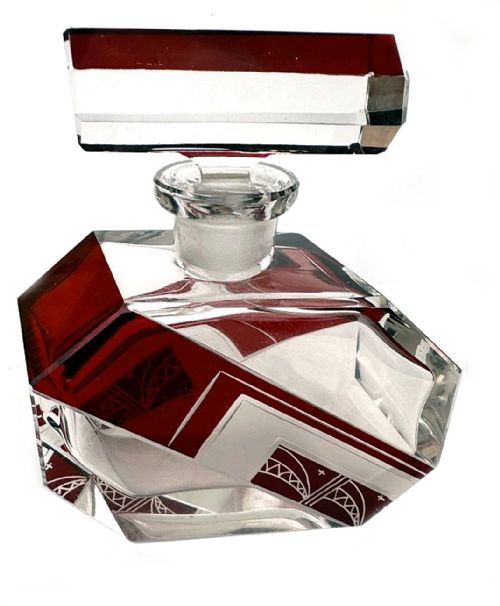
Art Deco items from the 1930s display geometric cutting and enamel work distinct from nineteenth-century forms.
Are stoppers original?
Checking whether a stopper is original involves examining the ground glass fit and the colour match with the bottle body. Hand-ground stoppers fit snugly within the neck and show matching wear.
Subtle variations in shade or mismatched grinding indicate a replacement from a different period.
How should I display them?
Placing these items near natural light allows the ruby and cranberry tones to catch the illumination. Cabinets with glass shelves work well for collections of small scent bottles.
Keeping metal mounts clean using appropriate silver care maintains the contrast between the metal and the glass.