

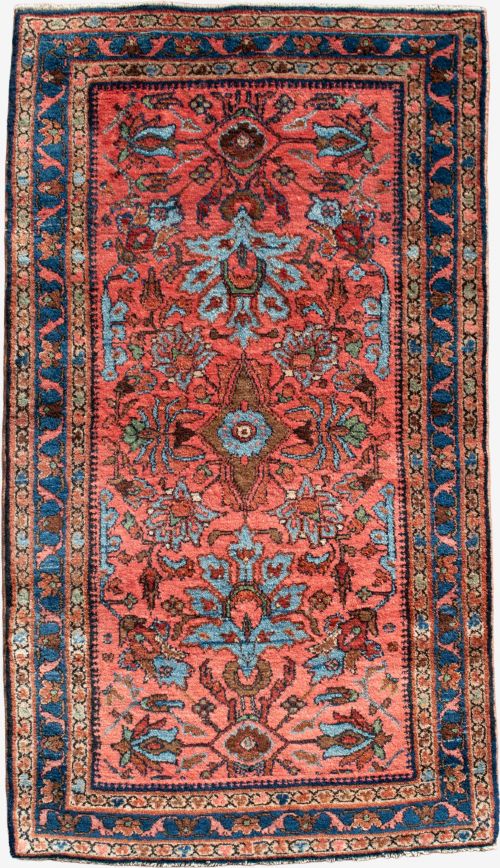
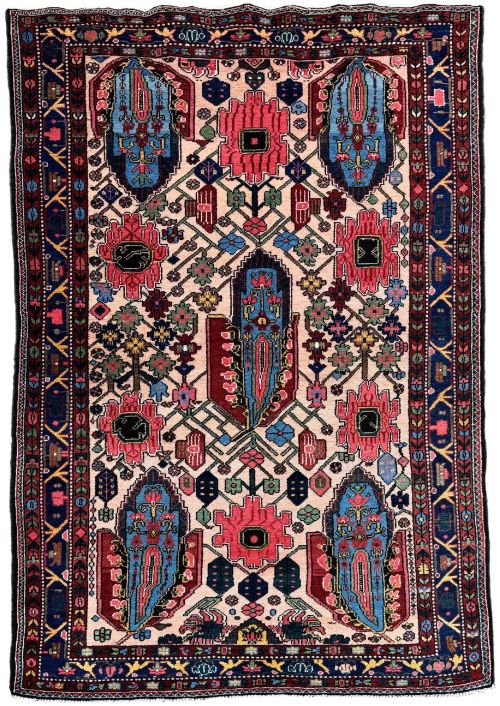

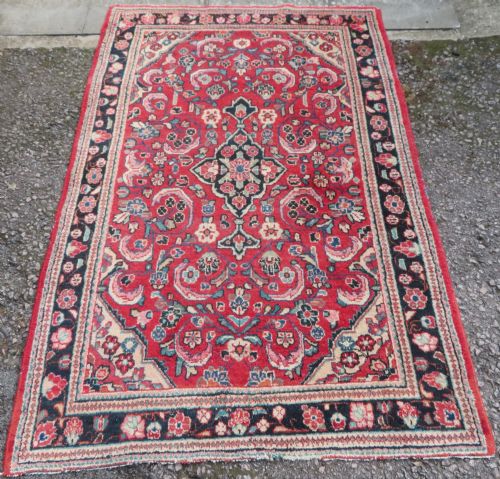
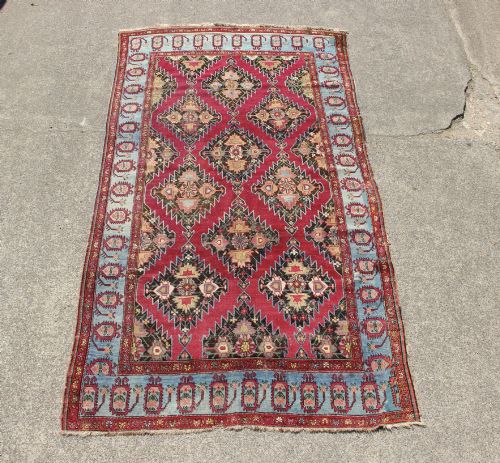




Red Floral Runner
When you search for a red floral runner, you are looking at woven floor coverings and textiles that bring pattern and warmth to narrow spaces.
Red Floral Runner
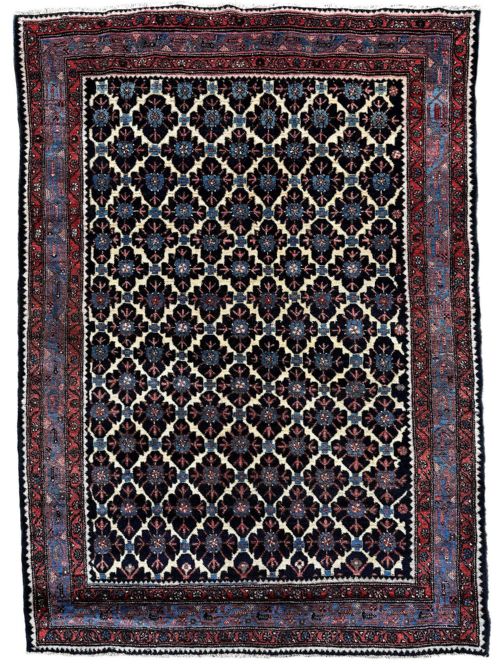
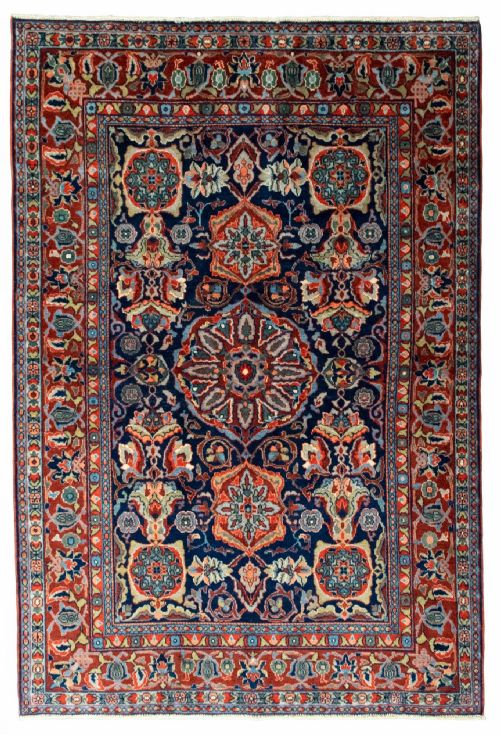
A red floral runner brings traditional motifs and botanical designs into corridors, hallways and long rooms. These textiles originate primarily from Persian and Caucasian weaving traditions, spanning village workshops and city looms.
The selections on this page include narrower formats such as hallway runners and long carpets alongside broader area rugs. Dates range from the eighteenth century through the nineteenth century and into the early twentieth century, specifically covering periods around 1800, 1880, 1890, 1900, 1910, 1920 and 1930.
Buyers will encounter regional weaving styles including Saroukh, Bakhtiar, Mahal, Karabagh, Hamadan, Kashan, Ardebil, Bijar, Senneh, Seychour, Qum, Gendje Kazak, Bessarabian, Khorasan Baluch, Malayer, Isfahan, Heriz, Tabriz and Meshed, alongside Ottoman embroideries and Kashmiri chain stitch work.
How they were made
Weavers constructed these pieces using natural materials predominantly rooted in wool, cotton and silk, occasionally incorporating metallic thread and wool felt. Wool supplied the durable pile and foundation structure, while cotton provided strong warp and weft threads for stability.
Surface decoration relied on hand-knotted pile, flatwoven techniques, and needlework embroidery. Embroidered fragments and specialised textiles utilised silk threads worked onto grounds of wool felt or woven fabric.
Red Floral Runner Retail Price Guide 2026
Typical asking prices for red floral runner among the pieces listed under this phrase on Sellingantiques today, from the lower quarter to the upper quarter. They describe what is for sale here now, not the wider market.
Materials recorded across the inventory include wool, cotton, silk, metallic thread, wool felt and Kork wool.
What varies in quality
The standard of a woven textile depends on the density of the knotting or the precision of the embroidery work. Tighter foundations and finer materials such as part silk or Kork wool allow for sharper delineation of floral motifs and intricate lattice patterns.
Condition and integrity dictate the standing of individual examples. Original edge finishes, balanced proportions in narrow formats, and the clarity of dye colours preserved across the wool or silk pile distinguish finer works.
The Red Floral Runner Glossary
- Runner
- A long, narrow carpet format designed specifically for hallways, corridors and stairs. These pieces balance length with a restricted width.
- Pile
- The vertical or upright surface of a rug formed by the cut ends of knots. It provides the soft texture underfoot.
- Warp
- The stationary longitudinal threads stretched on a loom before weaving begins. Weavers tie knots around these foundational lines.
- Weft
- The horizontal threads passed alternately over and under warp threads to secure the knots in place. It binds the structure row by row.
- Kilim
- A flatwoven carpet produced without a raised pile. These pieces rely on tightly packed horizontal weft threads concealing the vertical warps.
- Kork wool
- High-grade wool gathered from the neck and shoulders of sheep. This material yields a particularly soft handle and fine finish.
Red Floral Runner: Frequently Asked Questions
Where should I place a hallway runner?
Runners suit long, narrow architectural spaces such as corridors, entrance halls and passageways. They protect flooring while introducing colour and pattern to transitional areas.
Ensure you measure the passage width and length carefully before selecting a piece. Leave an even margin of exposed floorboards or stone around the edges of the textile.
How do I care for an antique wool rug?
Vacuum the piece gently with a suction-only attachment, avoiding beater bars that can damage delicate knotted pile or historic edges. Rotate the textile periodically to distribute foot traffic evenly.
Address accidental spills immediately by blotting with a clean, dry cloth. Avoid rubbing the fibres or applying harsh chemical detergents to natural wool and silk.
What is the difference between a rug and a carpet?
Historically, terms overlap, but carpets generally denote larger format floor coverings intended for principal rooms. Rugs cover smaller or more specific dimensions.
Narrow formats designed explicitly for corridors are typically designated as runners or long rugs. Construction methods and materials remain consistent across these categories.
How do I identify regional rug designs?
Regional attribution relies on specific combinations of palette, border arrangement, and floral or geometric motif structures. Workshops in centres like Kashan, Tabriz or Saroukh developed distinct local vocabularies.
Village and tribal pieces from areas such as Hamadan, Heriz or the Caucasus often display bolder, more rectilinear interpretations of floral and lattice patterns.