




Red Floor Runner
These red floor runner pieces bring enduring warmth to hallways and narrow spaces through centuries of nomadic and village weaving traditions.
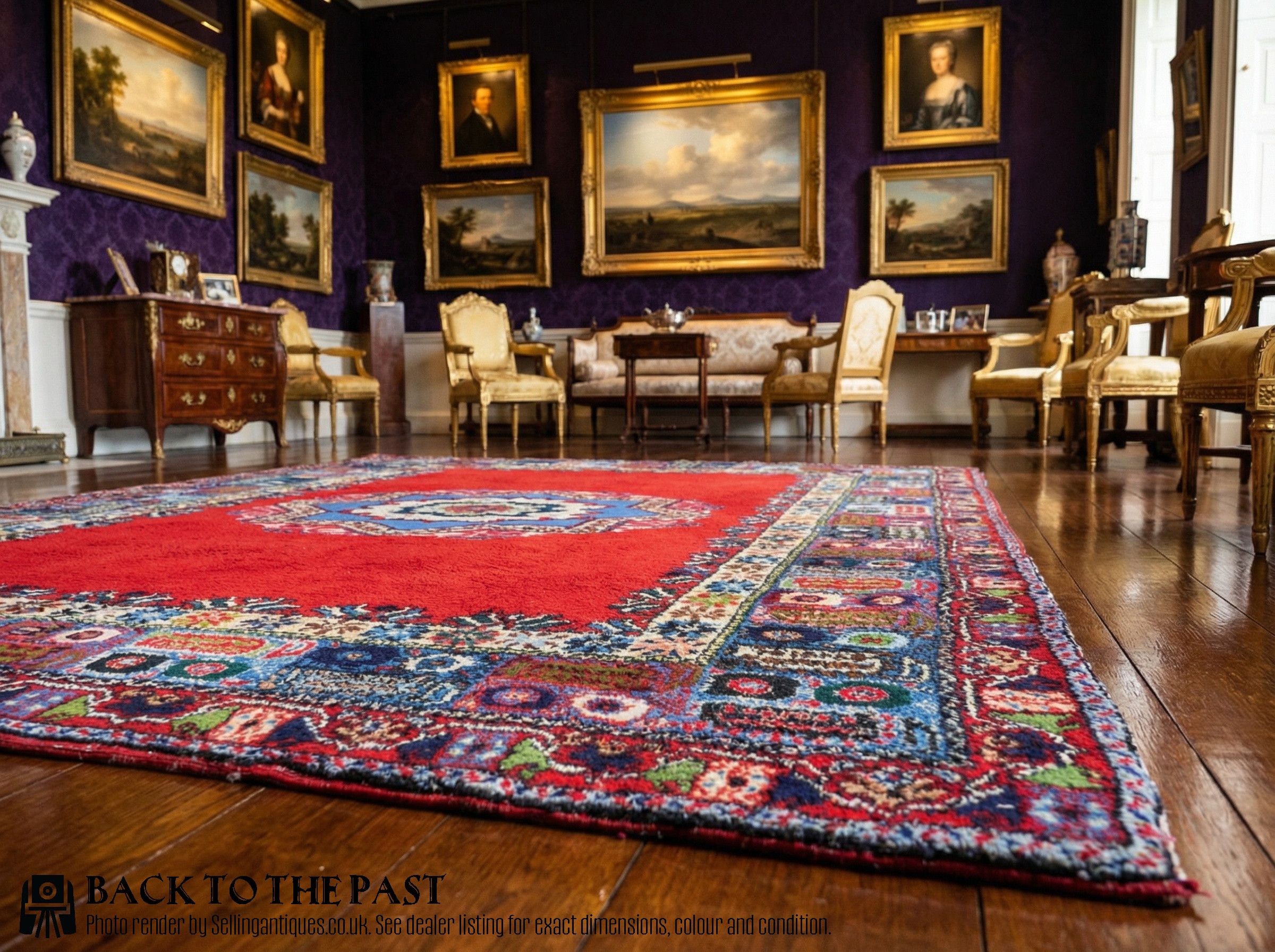
Red Floor Runner
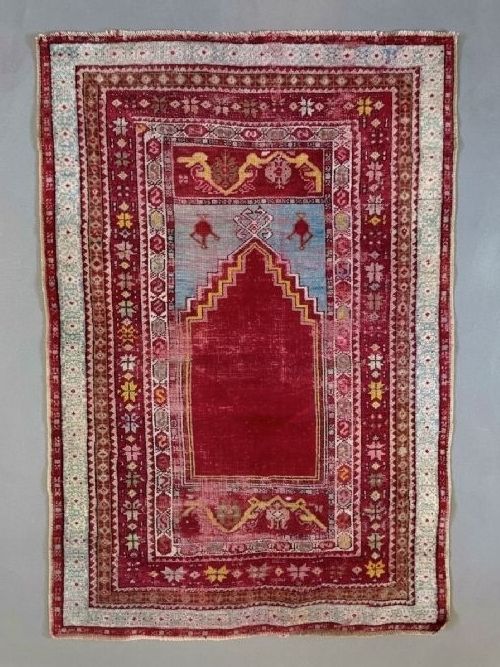
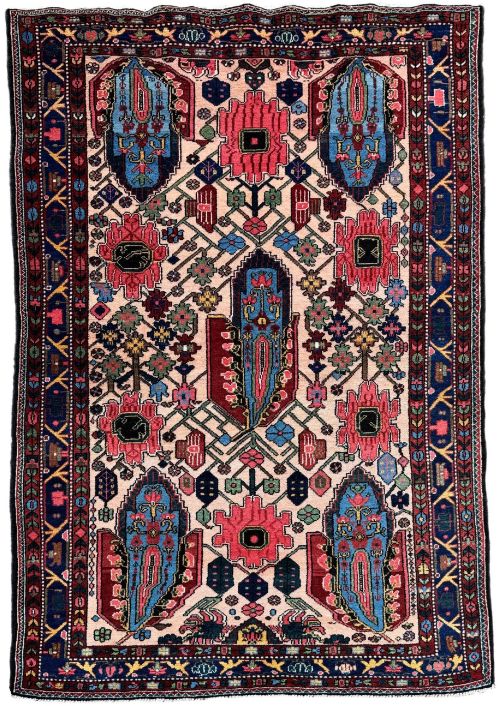
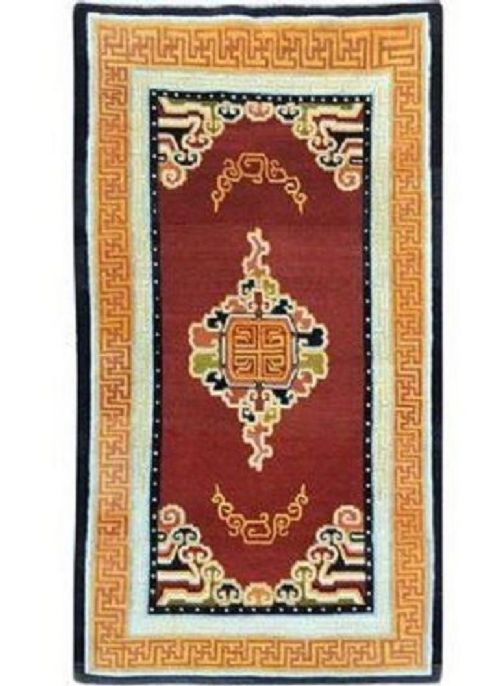
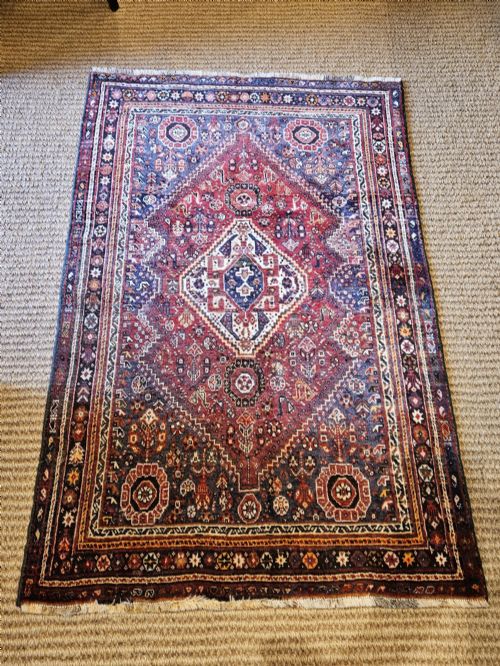
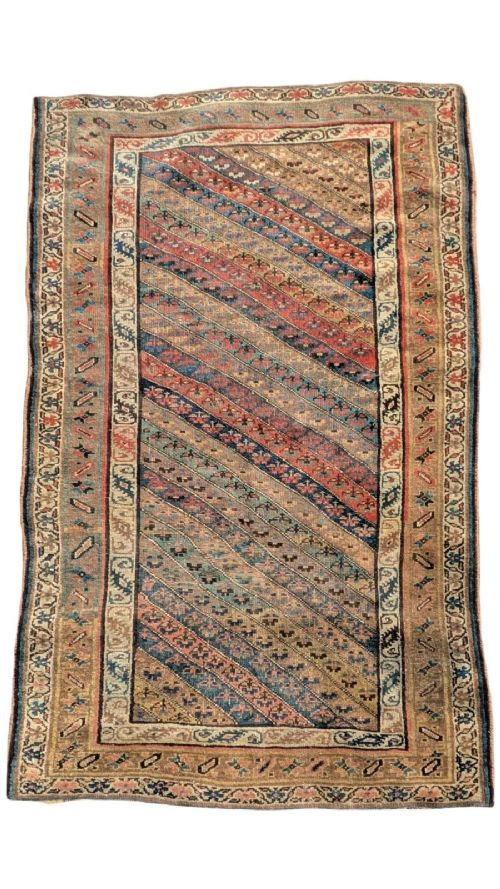
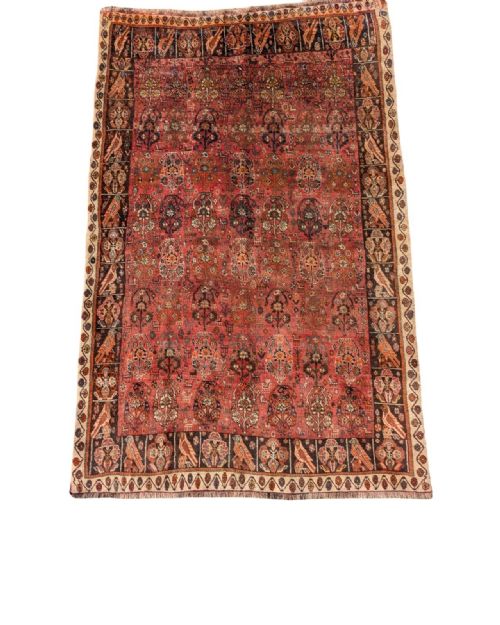
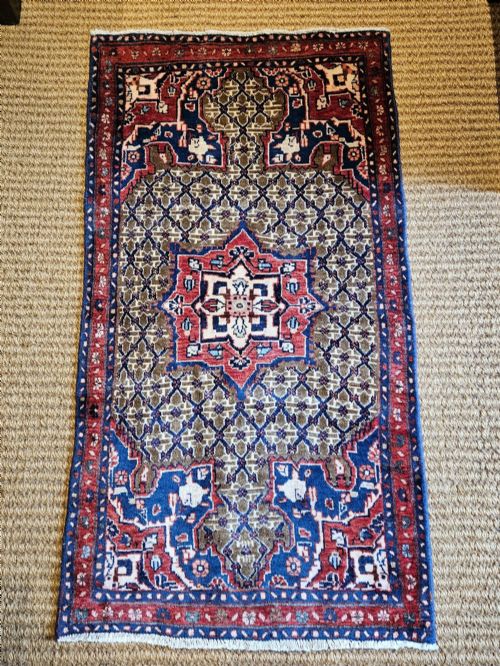
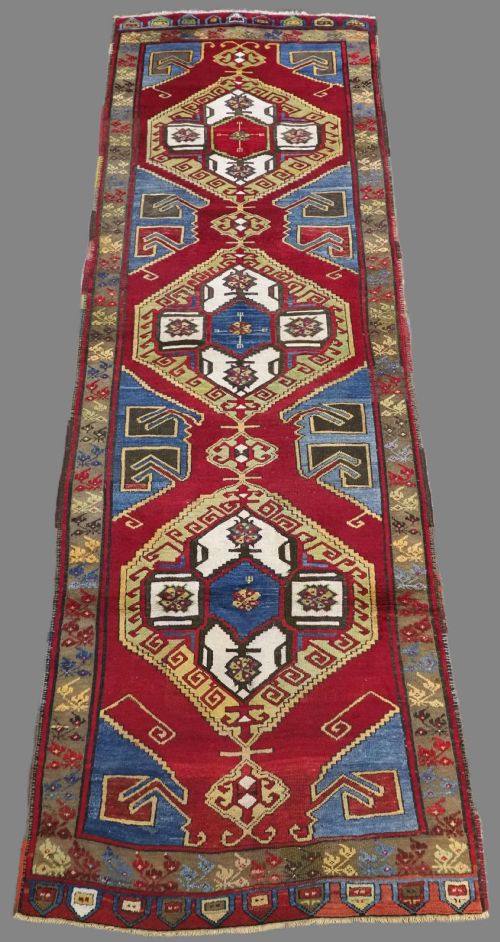
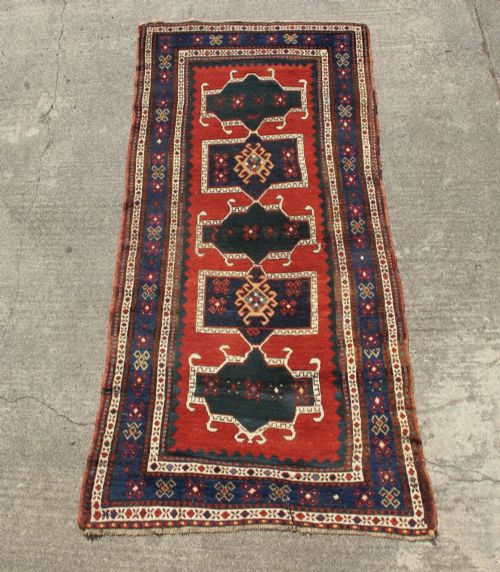
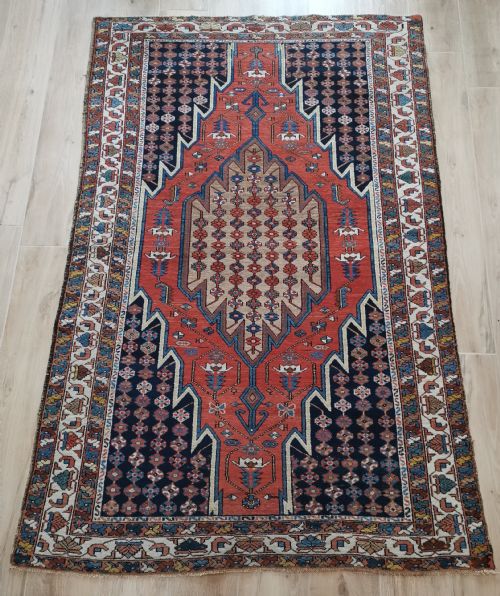
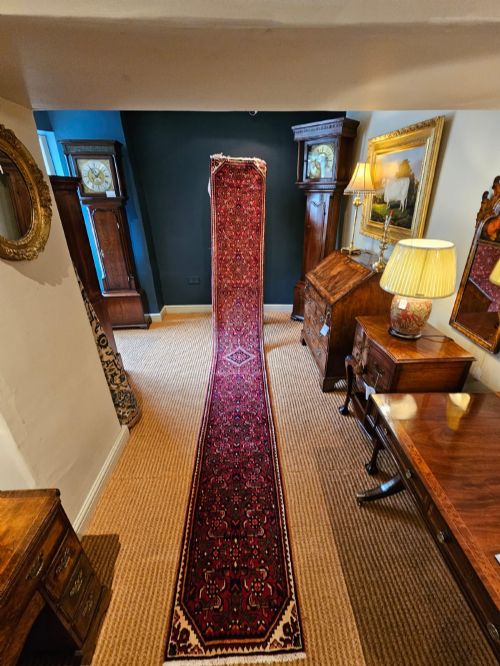
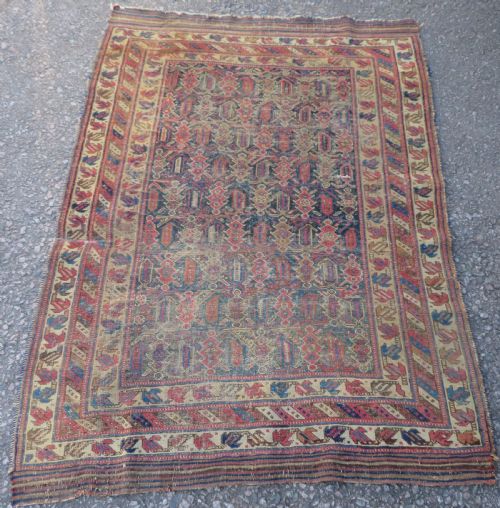
A red floor runner provides a focused, linear path of colour and pattern designed specifically for corridors, hallways, and elongated domestic spaces. When searching for a red floor runner, buyers encounter textiles originating from Persian, Caucasian, Turkmen, and Tibetan weaving traditions dating from the Victorian era into the early twentieth century.
Makers utilised traditional formats suited for transit areas, employing strong reds, rust backgrounds, and natural dyes to anchor interior schemes. These textiles combine utility with rich cultural iconography, ranging from geometric Caucasian patterns to classical Persian floral designs.
Materials and Construction
The construction of these floor coverings relies primarily on hand-spun wool and cotton foundations, manipulated through hand-knotted techniques. Weavers utilised natural dyes to achieve deep red tones, rust backgrounds, and contrasting highlights that retain their character over decades.
Nomadic and village workshops structured these textiles to withstand heavy domestic transit in hallways and landings. The integration of wool pile on sturdy cotton or wool warps ensures both flexibility and physical resilience.
Some tribal weavers tucked small protective amulets directly into the wool pile to ward off the evil eye.
Assessing Quality and Execution
Quality rests in the precision of the hand-knotting, the consistency of the wool, and the depth achieved by natural dyes. Finer knots allow for sharper definition in complex tribal motifs and geometric medallions.
The integrity of the original edges and ends determines how well a runner holds its shape under foot traffic. Superior examples display balanced proportions and harmonious colour saturation from end to end.
The Red Floor Runner Glossary
- Runner
- A long, narrow carpet format designed for hallways, corridors, and stairs. These pieces guide movement through domestic spaces while protecting wooden or tiled floors.
- Natural Dye
- Colourants derived from plants, insects, and minerals rather than synthetic compounds. These dyes yield rich, complex tones that age gracefully over generations.
- Hand-Knotted
- A technique where individual strands of wool are tied by hand onto a warp foundation. This labour-intensive process creates a dense, durable pile.
- Prayer Rug
- A textile featuring a Mihrab or arch design indicating the direction of prayer. These smaller formats often display intricate floral or geometric iconography.
- Kelleh
- A large, elongated room carpet format intermediate in proportion between a standard rug and a gallery carpet. It provides substantial floor coverage in traditional settings.
Red Floor Runner: Frequently Asked Questions
Where should I place a red floor runner?
These narrow textiles suit hallways, corridors, and landings where linear floor coverings soften transit areas and protect floorboards.
They also function effectively in narrow kitchens or beside beds to introduce warmth and texture underfoot.
How do I care for an antique wool runner?
Regular gentle vacuuming without a beater bar removes surface dirt from the wool pile. Professional cleaning suited for antique textiles preserves the natural dyes and fibres.
Rotating the runner periodically ensures even exposure to light and foot traffic.
What materials were used in these runners?
Weavers predominantly employed hand-spun wool for the surface pile, providing resilience and soft texture. Cotton or wool foundations serve as the structural warp and weft.
Colour comes from natural dye sources applied to the wool before knotting.
How do I distinguish regional tribal styles?
Caucasian pieces tend to feature bold geometric motifs, stars, and stark colour contrasts. Persian and Turkish examples often incorporate floral sprays, boteh patterns, or medallion layouts.
Examining the knotting style and wool texture helps identify specific village origins.