




Red Flambe Glaze
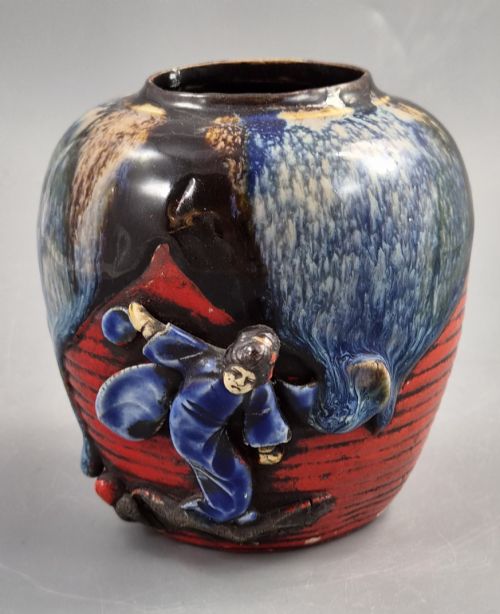
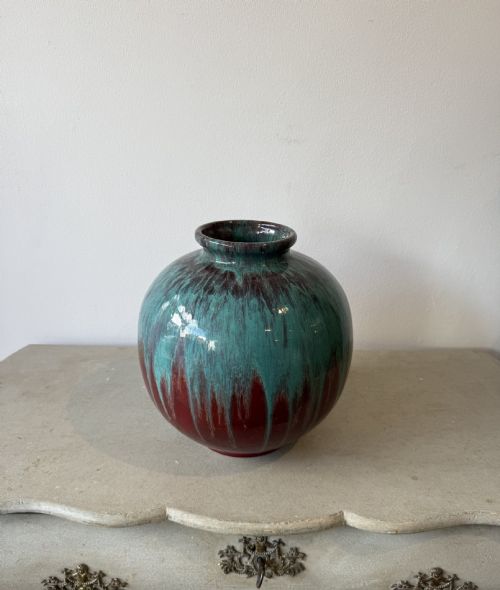
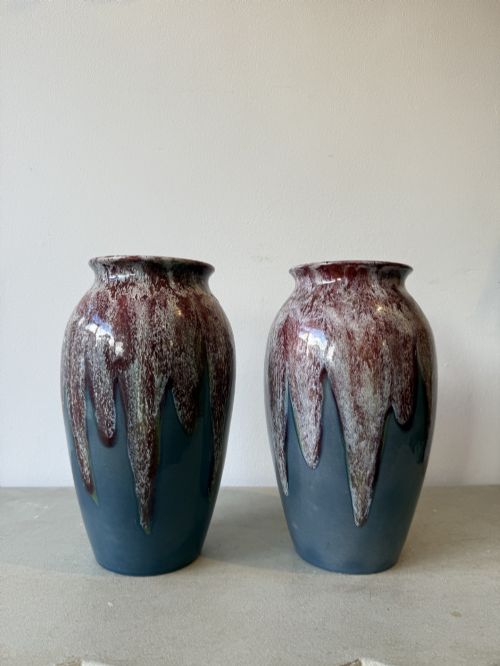
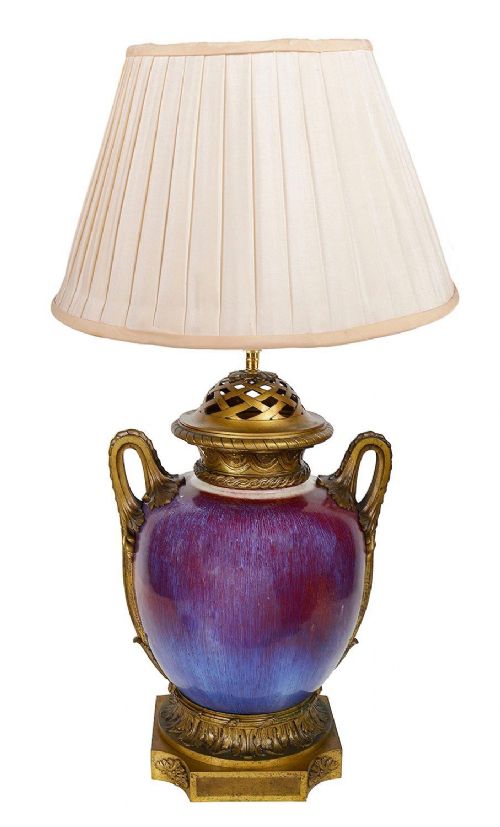
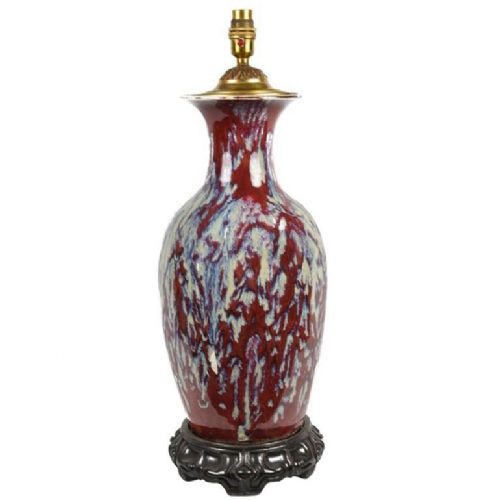
These pieces with red flambe glaze display striking mottled and streaked ceramic surfaces that draw the eye immediately.
Red Flambe Glaze
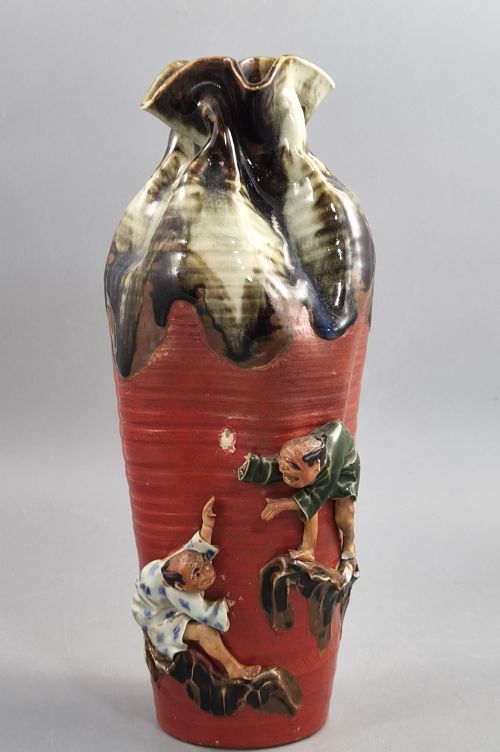
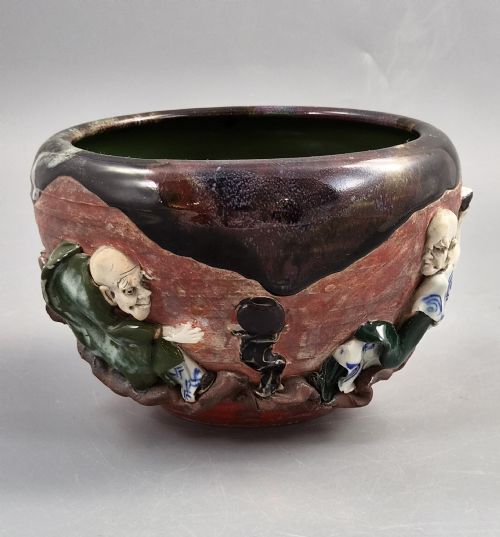
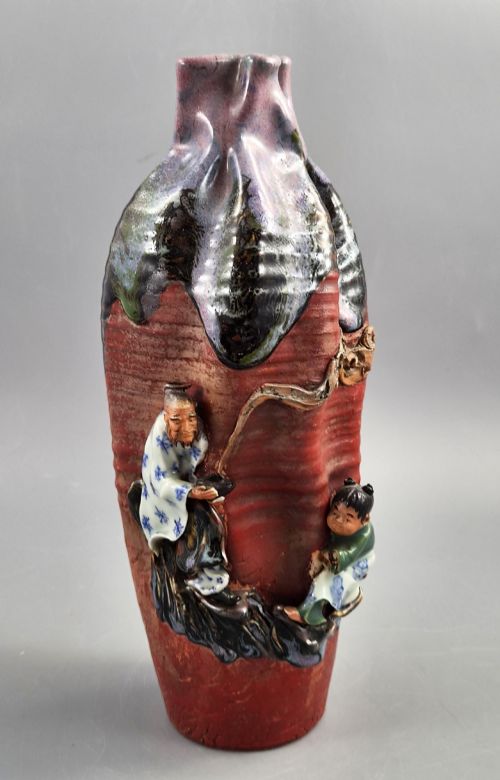
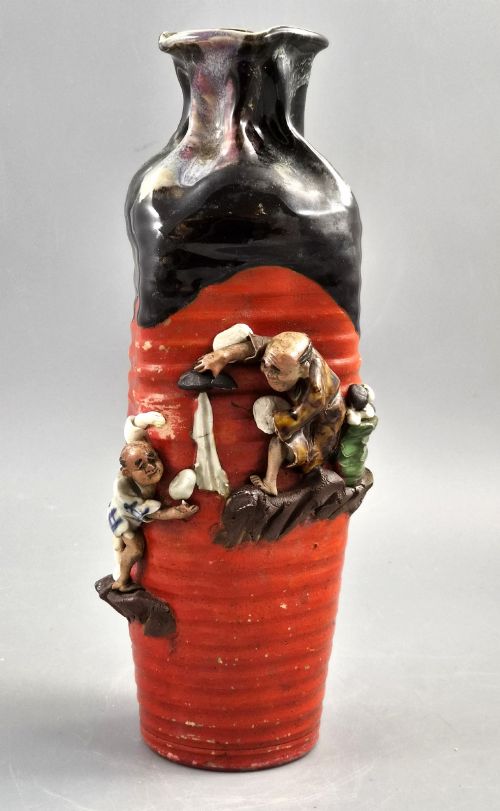
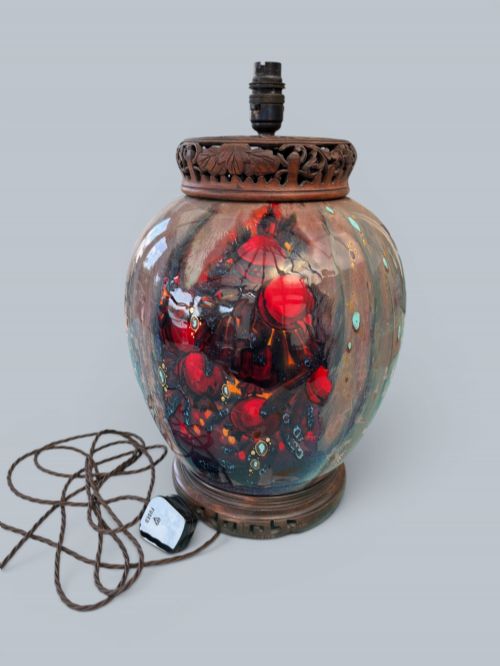
Items featuring red flambe glaze span various forms including vases, table lamps, bowls, and teacups. You are most likely to meet Japanese Sumida Gawa pottery from the Meiji and Taisho periods featuring applied figures alongside Chinese vases and European art pottery.
The selection ranges from 18th-century Chinese vessels to 20th-century studio and art pottery productions. Forms include tall baluster vases, jars, and decorative bowls intended for display.
Makers and origins cross multiple continents, uniting traditional Asian ceramic techniques with Western art pottery movements. Each piece showcases the unpredictable chemical reactions of high-fired metallic oxide glazes.
How they were made
Potters applied metallic oxide glazes to ceramic bodies formed from earthenware, stoneware, porcelain, or terracotta. Control of the kiln atmosphere during firing caused copper and other minerals to reduce and flow, creating complex mottled colour effects.
Japanese Sumida Gawa pieces incorporate sculpted figures in relief applied directly to the body before glazing. Other works rely entirely upon the fluid movement of drip glazes and crystalline effects across the surface.
Listings include Japanese Sumida Gawa pottery from the Meiji and Taisho periods, alongside 18th-century Chinese vases and European art pottery.
What varies in quality
Control over the unpredictable flow of the glaze separates standard examples from exceptional ones. The depth of the colour transition and the balance of the streaking dictate the visual success of the surface.
The crispness and detail of applied figures or relief work on pieces like Sumida Gawa ceramics indicate the skill of the maker. The harmony between the ceramic form and the movement of the glaze determines overall merit.
Inoue Ryosai·Ban-ni·Ishiguro Koko·Moorcroft·Bernard Moore·Royal Doulton
The Red Flambe Glaze Glossary
- Flambe glaze
- A streaked or mottled ceramic finish created by metallic oxides reacting in a reduced kiln atmosphere. This technique produces unpredictable pools of red, blue, and purple.
- Sumida Gawa
- A style of Japanese pottery characterised by thick, dripping glazes and modelled figures applied in high relief. Pieces often date from the Meiji and Taisho periods.
- Sang de boeuf
- A rich ox-blood red glaze originating in Chinese ceramics and achieved through copper reduction firings. Examples appear on both antique vases and later lamp conversions.
- Earthenware
- A porous ceramic body fired at lower temperatures, often coated with an opaque or coloured glaze. It forms the base for many decorative art pottery vessels.
- Stoneware
- A dense, impermeable ceramic fired at high temperatures until vitrified. This sturdy material supports heavy glazes without requiring additional waterproofing.
Red Flambe Glaze: Frequently Asked Questions
What is a red flambe glaze?
A red flambe glaze is a decorative ceramic surface created when metallic oxides, primarily copper, react during a high-temperature kiln firing. The resulting finish displays streaks, mottling, and colour variations.
This unpredictable chemical reaction means no two vessels finish with identical patterns. Potters across China, Japan, and Europe adopted the technique to add depth to vases and bowls.
How do I date Japanese Sumida Gawa pottery?
Japanese Sumida Gawa pottery is generally dated by examining the specific characteristics of the clay body, the signature style of the applied figures, and historical manufacturing periods. Most accessible examples date from the Meiji and Taisho eras.
Makers often signed their work directly onto the pottery or incorporated distinct sculptural motifs. Comparing the relief figures to known signatures helps narrow down the decade of production.
Are flambe glazed lamps original?
Many flambe glazed vases from Chinese and European workshops were converted into table lamps during the twentieth century. This was a common practice to repurpose decorative art pottery for domestic lighting.
While the conversion alters the original object, the ceramic body itself retains its period characteristics. Collectors evaluate both the ceramic vase and the quality of the mounting when assessing these pieces.
How do I care for art pottery?
Art pottery with flambe glazes requires gentle dusting with a soft, dry cloth to protect the textured surface and applied figures. Avoid using harsh chemical cleaners or submerging porous ceramic bases in water.
Display pieces away from direct sunlight and areas of high moisture to preserve the stability of the glaze and any added metal or wooden components.