



Red Drop Pendant
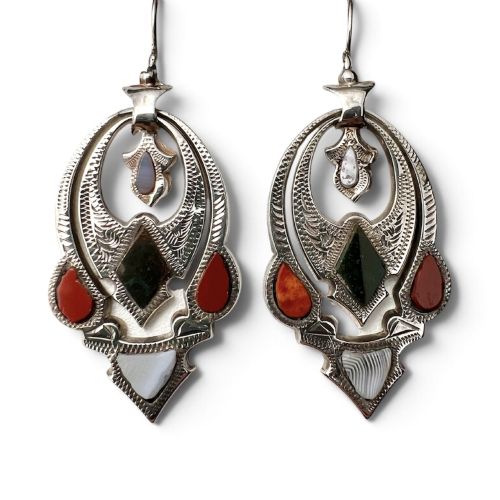
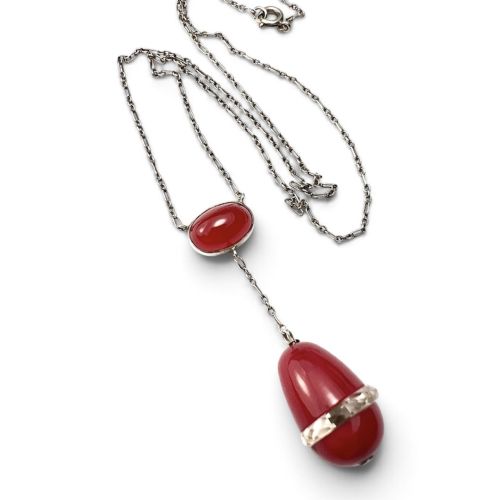
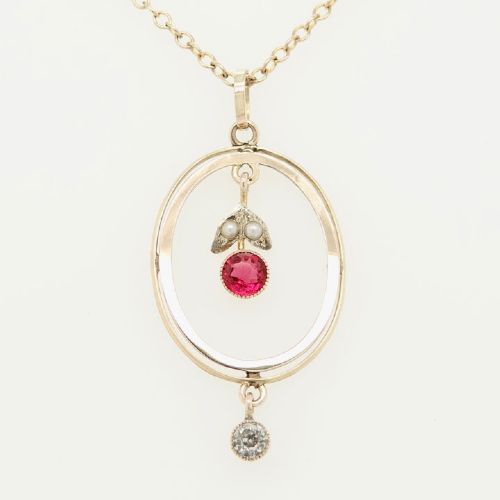
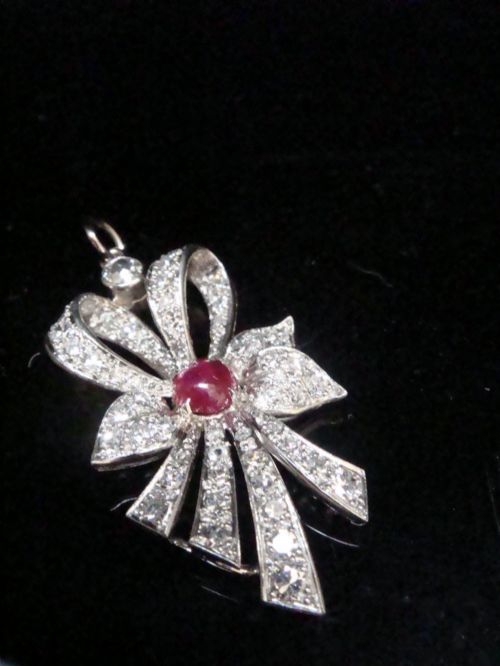
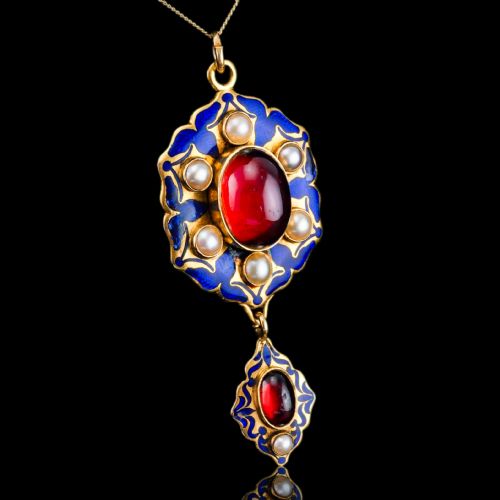
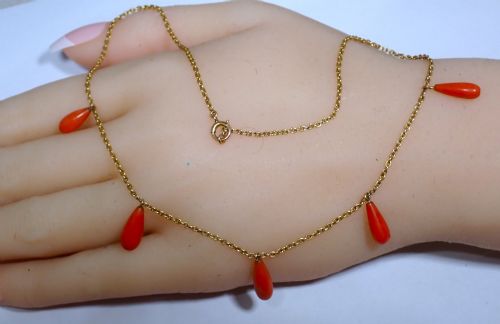
These red drop pendant pieces bring together rich garnet, ruby, and coral stones set in gold and silver.
Red Drop Pendant
A red drop pendant brings together a teardrop or hanging stone configuration in shades of red, commonly appearing as necklaces, earrings, and pendants. Buyers searching for a red drop pendant encounter items spanning from the Victorian and Edwardian eras into the mid twentieth century.
How they were made
Craftsmen utilised precious metals including 9ct gold, 18ct yellow gold, silver, and platinum to form the structural mounts and chains. Stones such as garnet, ruby, coral, paste, and rock crystal were cut into oval, pear, and teardrop shapes to create the characteristic pendant drop.
Techniques varied from intricate seed pearl work and enamel detailing in the Arts and Crafts and Art Nouveau styles to heavier cast settings seen in Victorian Renaissance Revival and Etruscan Revival pieces.
Red Drop Pendant Retail Price Guide 2026
Typical asking prices for red drop pendant among the pieces listed under this phrase on Sellingantiques today, from the lower quarter to the upper quarter. They describe what is for sale here now, not the wider market.
What varies in quality
Quality rests upon the selection and matching of the central red stones, whether deep Bohemian garnets, Burmese rubies, or carved coral. Uniformity of colour and clarity across drop elements elevate the piece.
The finesse of the metalwork, from delicate filigree and platinum bow motifs to secure prong and bezel settings, distinguishes finer workshop production from simpler commercial work.
Knox for Liberty·Murrle Bennett
The Red Drop Pendant Glossary
- Lavalier pendant
- A necklace featuring a central drop stone suspended below the main chain line, popular in the Edwardian period. These items often incorporate delicate silver or gold chains.
- Holbeinesque
- A Victorian style of jewellery inspired by sixteenth century German designs, typically featuring rich clusters of garnets, pearls, and enamel work. This aesthetic creates a heavier, Renaissance-inspired silhouette.
- Etruscan Revival
- A nineteenth century design movement utilising granulation and wirework on gold surfaces to mimic ancient archaeological finds. Such pieces often pair gilt metal with paste or garnet stones.
- Fringe necklace
- A necklace featuring multiple small dangling pendants suspended along the front section of the chain. Bohemian garnet versions are particularly common within this group.
Red Drop Pendant: Frequently Asked Questions
What materials are used in these drops?
Garnet, ruby, coral, and paste provide the characteristic red stones found across these items. These are paired with gold, silver, platinum, and occasionally enamel.
The choice of material often aligns with the period, such as silver in early Edwardian mounts or higher-carat yellow gold in Victorian designs.
How should I wear an antique drop pendant?
These pieces work well as focal points against simple necklines or evening wear, depending on the scale of the drop. Earrings and shorter pendant necklaces can easily transition from daytime use to formal settings.
Consider the length of the chain and the weight of the pendant to ensure comfortable daily wear.
How do I care for antique gemstone jewellery?
Protect softer organic materials like coral from harsh chemicals, cosmetics, and ultrasonic cleaning methods. Store individual pieces separately to prevent scratching on softer stones like paste or garnet.
Regularly check claw and bezel settings with a jeweler to ensure the drop stones remain secure in their mounts.