



Red Coat Officer Art
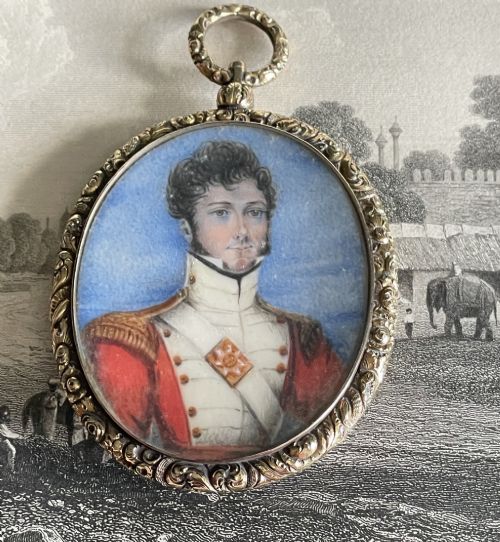
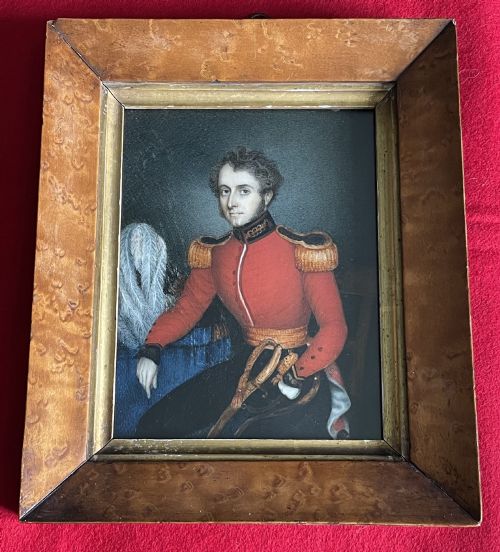
Red coat officer art captures military history through centuries of oil paintings and delicate portrait miniatures.
Red Coat Officer Art
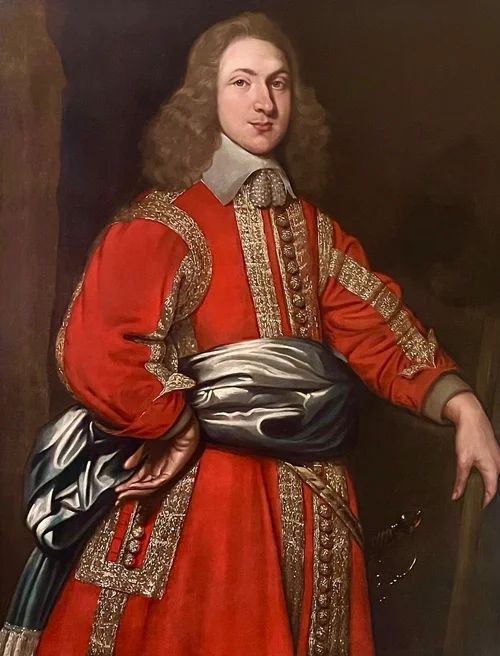
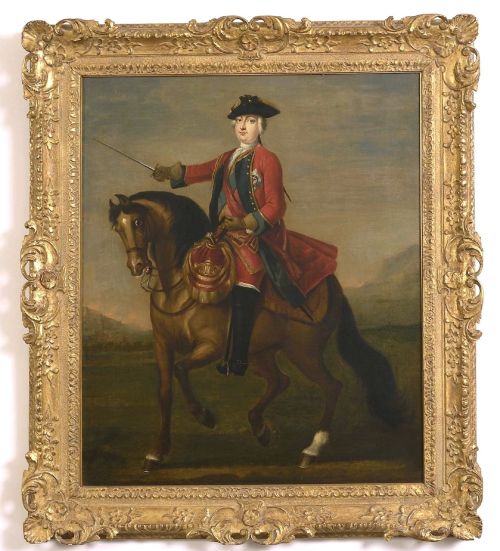
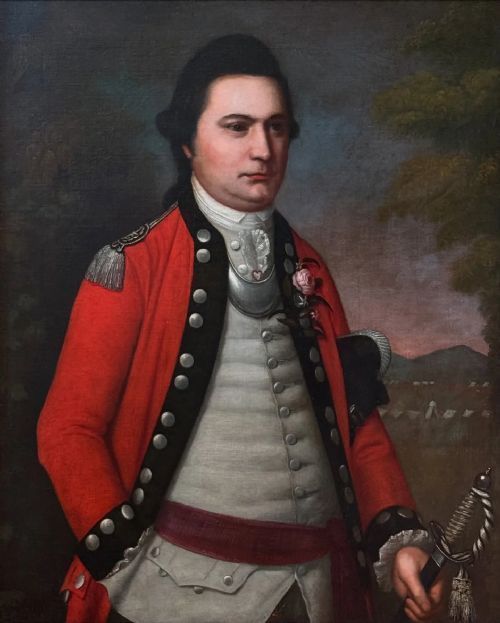
Red coat officer art depicts military figures in historical uniforms, spanning periods from the seventeenth century to the nineteenth century.
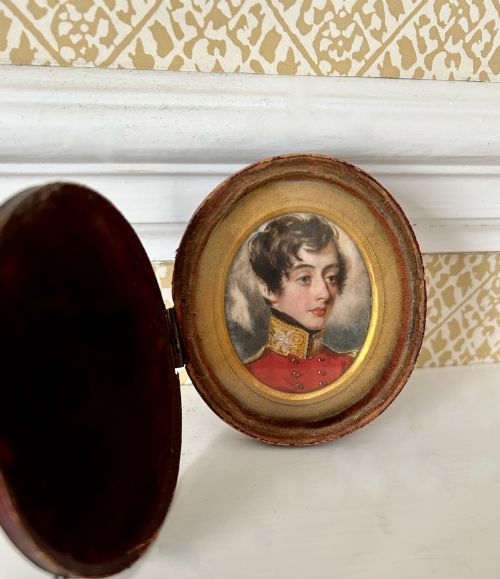
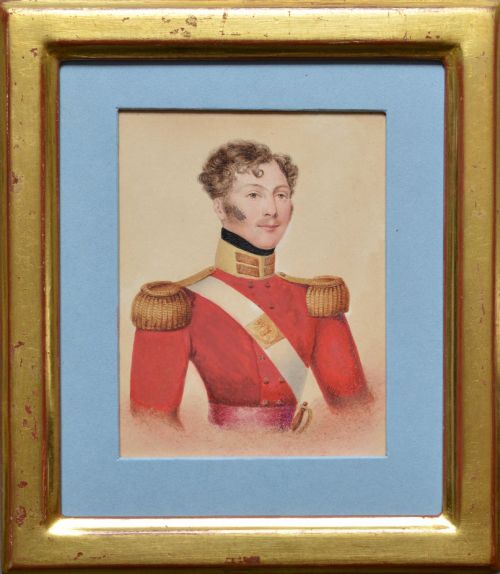
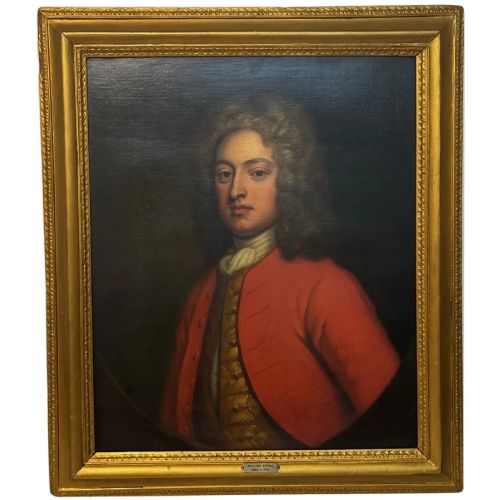
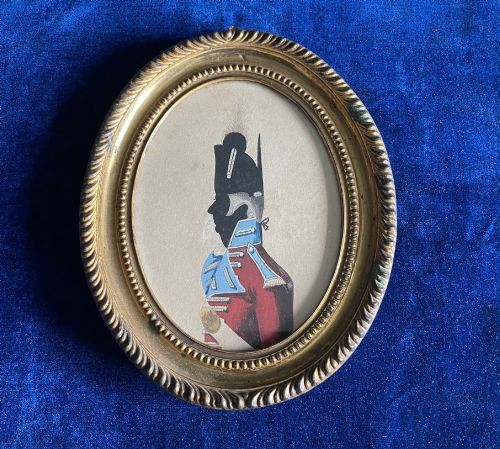
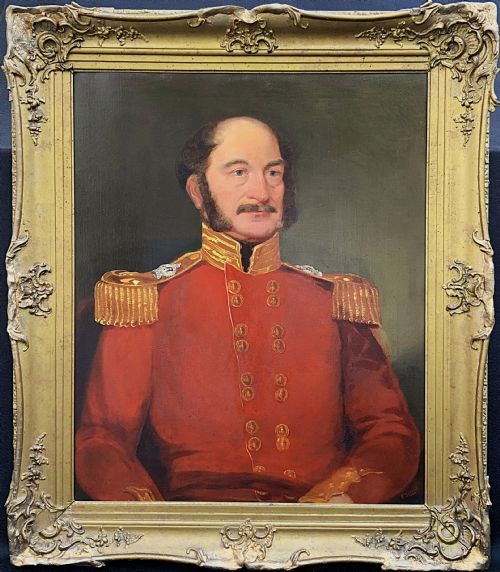
Buyers mostly encounter oil on canvas works and portrait miniatures framed in materials such as giltwood and glass.
Subjects range from British School watercolours of regiment officers to Anglo-Indian and Anglo-Dutch school portraits.
Materials and Techniques
Artists painted primarily in oil on canvas or applied watercolour to paper and ivory surfaces for smaller portrait miniatures.
Frames often utilise carved giltwood to complement the detailed military portraits.
Early works employ traditional Baroque and Georgian painting techniques to render uniform details and facial expressions.
Red Coat Officer Art Retail Price Guide 2026
Typical asking prices for red coat officer art among the pieces listed under this phrase on Sellingantiques today, from the lower quarter to the upper quarter. They describe what is for sale here now, not the wider market.
Listings span from the seventeenth century to the twentieth century, utilising oil, watercolour, ivory, and canvas.
Assessing Quality in Military Portraits
Superior works demonstrate precise rendering of regimental insignia, uniform braiding and facial likeness by documented artists.
Lesser examples show stiffer brushwork and generalized uniform details without specific regimental attribution.
Stickland Lowry·John Wootton·Thomas Hudson·Henry Walton·Sir William John Newton·George Duncan Beechey·Sir Richard Westmacott·Gerrit Schipper
The Red Coat Officer Art Glossary
- Portrait Miniature
- A small, highly detailed painting executed on materials such as ivory, paper or vellum. These portable works became fashionable for commemorating military officers.
- Giltwood
- Wood that has been treated with gold leaf or gold paint. This finish commonly frames eighteenth-century and nineteenth-century portraits.
- Oil on Canvas
- Pigment mixed with a drying oil binder applied to stretched woven fabric. This medium dominated British portraiture across the Georgian and Victorian periods.
- Anglo-Dutch School
- A grouping of artists working in Britain and the Netherlands who shared stylistic influences during the seventeenth century and eighteenth century.
- Folk Art
- Artistic work produced from an indigenous culture or peasant society without professional academic training. These pieces often display a charmingly primitive style.
Red Coat Officer Art: Frequently Asked Questions
What regiments appear in these paintings?
Portraits record various military units including the Staffordshire 80th Regiment of Foot, the Scots Greys, and the 5th Royal Lancashire Militia.
Specific regiments help historians date the uniform details and confirm the officer's period of service.
How do portrait miniatures differ from large oils?
Miniatures are painted on small surfaces like ivory or paper, designed to be held or worn close to the body.
Large oil paintings on canvas were meant to hang prominently in officers' messes or family homes.
Are all these pieces from the British military?
Most works depict British forces, but the selection includes colonial service such as the Madras Presidency and the Bengal Army.
Anglo-Indian and Anglo-Dutch school works reflect the international reach of military campaigns during these eras.
How are Georgian portraits distinguished from Victorian ones?
Georgian and Regency works generally feature the distinctive high collars, powdered hair, and simpler coat cuts of the eighteenth century.
Victorian pieces reflect later uniform changes and mid-nineteenth century painting conventions.