



Rectangular Timber Table
A rectangular timber table provides a dependable surface that anchors a room, and this selection spans sturdy kitchen pieces to polished occasional tables.
Rectangular Timber Table
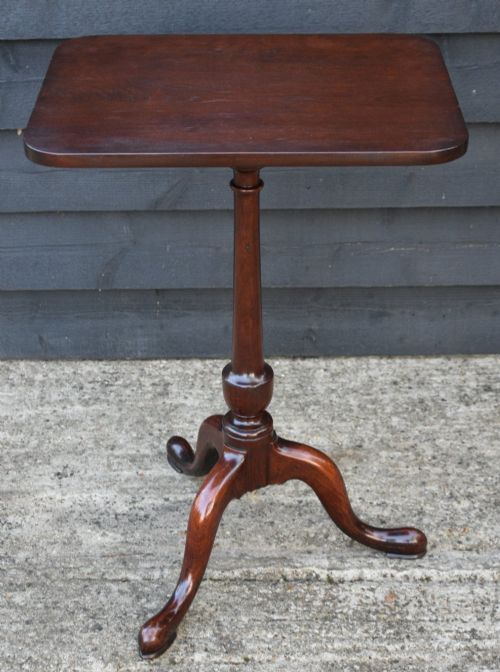
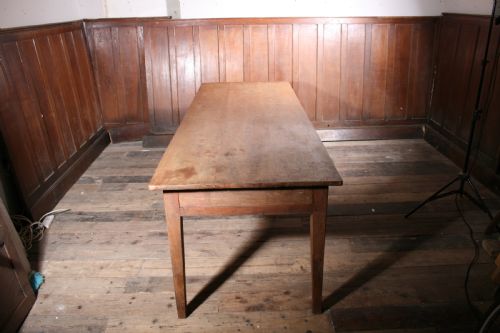
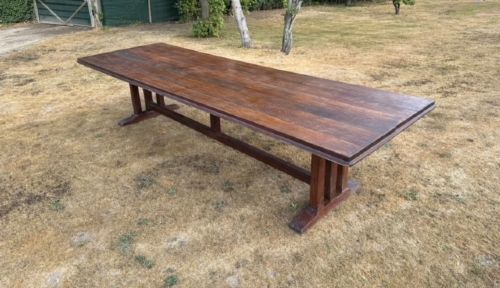
A rectangular timber table takes many forms across domestic spaces, serving as a dining surface, a low coffee table, or a compact side table. When searching for a rectangular timber table, a buyer encounters domestic mainstays from the nineteenth century onward, alongside occasional and refectory examples.
The pieces listed here encompass several eras, running from late nineteenth-century specimens through Edwardian designs up to nineteen-thirty productions. Forms range from large cherrywood dining tables and pine kitchen tables down to low elm coffee tables and occasional tables with inlaid tops.
Origins stretch across British, European, and Asian workshops, introducing varied regional aesthetics to the straightforward geometric footprint. Buyers often meet straightforward rustic country items alongside more formal Victorian and Edwardian iterations.
How they were made
Construction relies heavily on solid hardwoods and softwoods such as mahogany, walnut, elm, cherrywood, rosewood, pine, and Chinese hardwood. Joinery is traditional and robust, designed to withstand daily use while highlighting the natural grain of the timber.
Surface treatments and secondary materials vary according to the period and function of the table. Some pieces incorporate brass fittings or feature intricate inlaid specimen wood tops, while others rely on the unadorned texture of rustic elm or pine.
Rectangular Timber Table Retail Price Guide 2026
Typical asking prices for rectangular timber table among the pieces listed under this phrase on Sellingantiques today, from the lower quarter to the upper quarter. They describe what is for sale here now, not the wider market.
The listings on this page span the nineteenth century, the Edwardian era, and nineteen-thirty, incorporating mahogany, elm, walnut, and pine.
What varies in quality
Quality reveals itself in the selection of the timber and the crispness of the joinery rather than mere age. A well-chosen piece displays harmonious grain patterns and stable construction that prevents unnecessary movement in the wood.
Refinement of detail separates utilitarian workhorses from finer parlour pieces. The presence of thoughtful additions like inlaid specimen wood tops or carefully turned structural supports elevates an ordinary utility surface into a piece of considered craftsmanship.
The Rectangular Timber Table Glossary
- Refectory table
- A long, narrow dining table traditionally used in communal halls and adapted in later eras for domestic dining rooms. Edwardian examples often channel these earlier proportions for modern homes.
- Inlaid specimen wood
- A decorative technique where small pieces of different coloured timbers are fitted together to form a geometric or pictorial mosaic on the surface. This adorns the tops of occasional and lamp tables.
- Hardwood
- Timber derived from broad-leaved deciduous trees, noted for density and durability. Mahogany, walnut, and cherrywood fall into this category.
- Cross stretcher
- A structural support member running diagonally between the legs of a table or stool to improve rigidity. They provide both physical stability and a distinct visual anchor near the floor.
Rectangular Timber Table: Frequently Asked Questions
How do I use a low coffee table?
A low coffee table functions as a central hub in a sitting room, holding books, drinks, and decorative objects within easy reach of seating.
Position it centrally with adequate legroom around the perimeter to ensure smooth movement through the space.
What is an occasional table used for?
An occasional table serves as a flexible surface placed beside chairs or in corners to hold lamps, cups, or small ornaments.
Its modest footprint allows it to be moved easily around a room as daily needs shift.
How do I care for a timber table?
Care involves dusting regularly with a dry cloth and avoiding placement near direct heat sources that might dry out the wood.
Applying natural waxes periodically helps preserve the sheen and protects the surface from minor moisture marks.
How do I identify an Edwardian table?
Edwardian tables often reflect lighter proportions and borrow from earlier Georgian or refectory styles while maintaining sturdy construction.
Examine the timber finish and hardware to confirm the period characteristics common to the early twentieth century.