

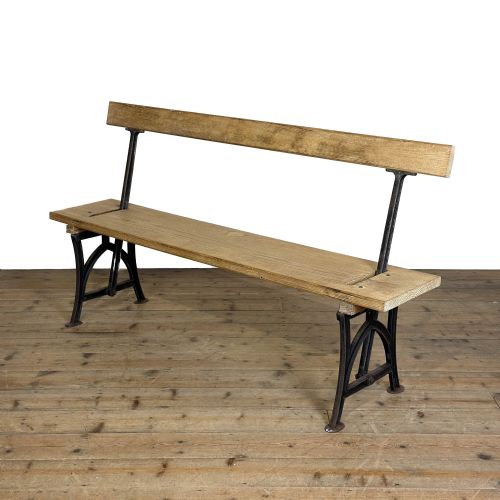
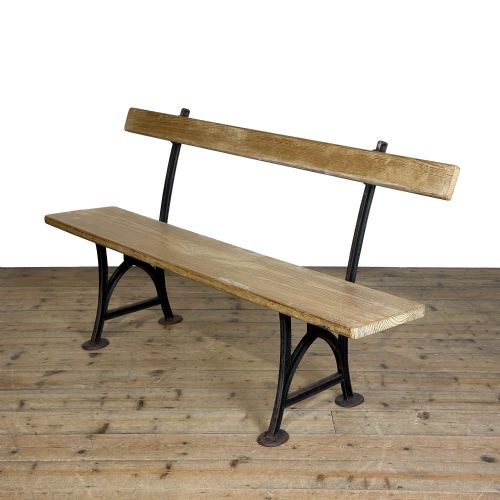
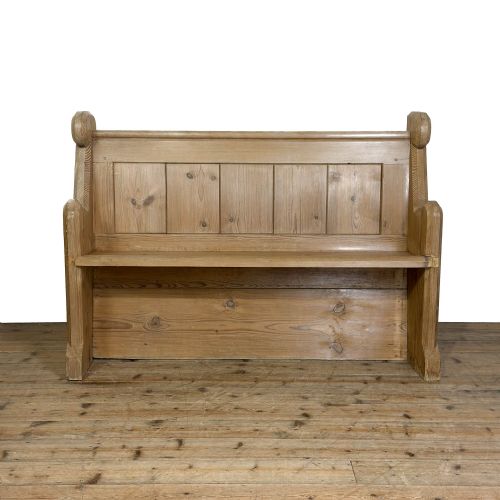
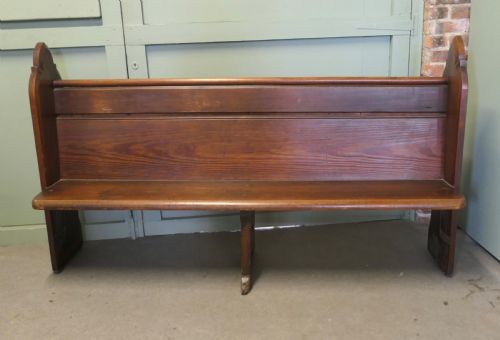


Reclaimed Wooden Bench
A reclaimed wooden bench brings rugged character and enduring utility to an interior, drawn from old pews, workbenches and institutional seating.
Reclaimed Wooden Bench
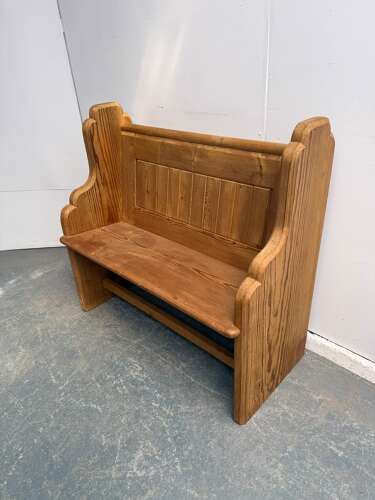
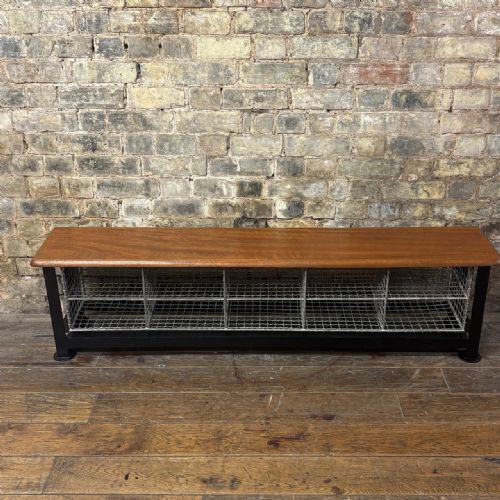
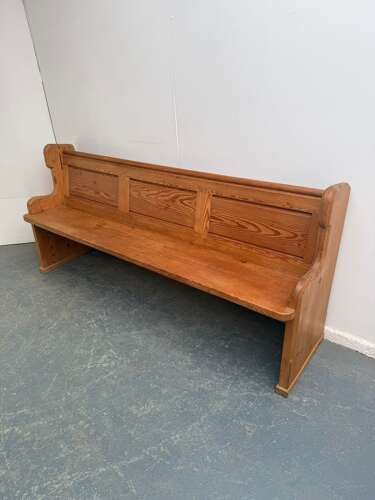
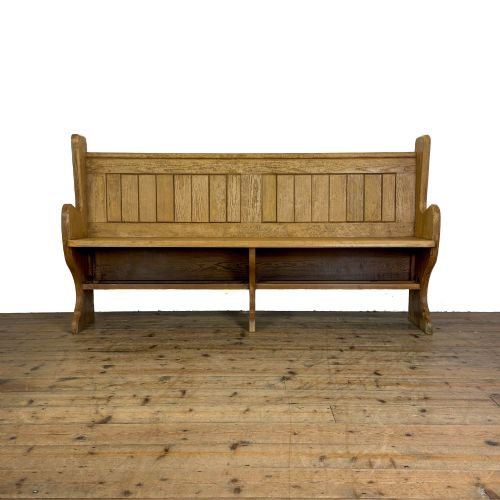
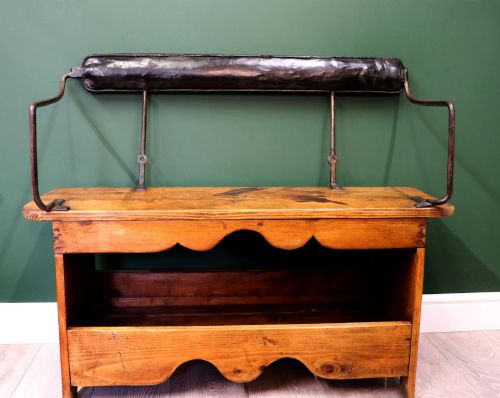
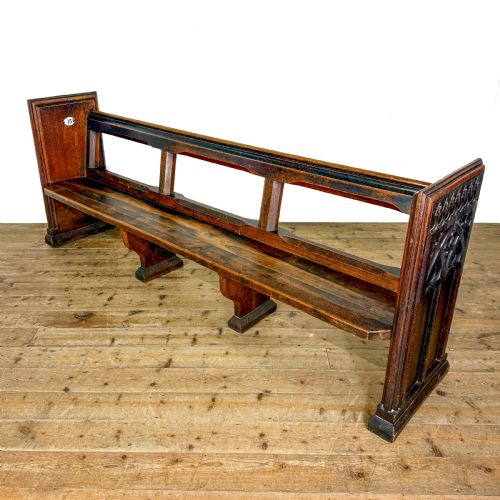
A reclaimed wooden bench spans several functional forms, most frequently appearing as church pews, school gym seats, and carpenter's or bakers' workbenches adapted for modern domestic use. These pieces carry decades or centuries of honest wear from institutional, ecclesiastical, and industrial settings.
Origins stretch from British provincial workshops to French artisans, Northern India, and Sweden, reflecting diverse local timber traditions and utilitarian needs. Each reclaimed wooden bench tells a distinct story through its surviving surface marks, construction joints, and structural alterations.
Materials and Construction
Construction relies heavily on robust timbers such as pine, pitch pine, oak, and assorted hardwoods chosen for their density and structural resilience. Many pieces incorporate cast iron mechanisms, vices, or brackets that served heavy industrial and workshop functions.
Finishes are typically restrained, utilising wax to nourish old timber surfaces while preserving the patination earned through decades of service. Weathered garden benches show the natural silvering effect of exposure to the elements over generations.
Reclaimed Wooden Bench Retail Price Guide 2026
Typical asking prices for reclaimed wooden bench among the pieces listed under this phrase on Sellingantiques today, from the lower quarter to the upper quarter. They describe what is for sale here now, not the wider market.
Current listings feature pieces spanning the 18th, 19th, and early 20th centuries, constructed primarily from pine, pitch pine, oak, and cast iron.
Judging Quality and Integrity
Quality rests in the survival of original surface patination and the integrity of the structural timber. Pieces retaining their authentic vices, original wax finishes, or untouched institutional markings sit at the higher end of the range.
Proportion and adaptation also dictate standing; benches that have undergone sympathetic conversion while retaining their core character command greater appreciation than those with excessive or intrusive modern alterations.
The Reclaimed Wooden Bench Glossary
- Pitch pine
- A dense, resinous softwood commonly used in nineteenth-century institutional seating and church pews. It offers durability and develops a rich amber tone over time.
- Pew
- A long wooden bench traditionally found in churches and chapels. These range from simple vernacular pine examples to elaborate Gothic Revival designs with panelled backs.
- Workbench
- A heavy-duty table utilised by carpenters, artisans, or bakers, often featuring integrated wooden vices and tool wells. They are frequently repurposed as kitchen prep islands or low tables.
- Patina
- The surface sheen and colour acquired by wood and metal through age, handling, and regular waxing. A desirable patina signals authenticity and continuous use.
- Trestle
- A structural support consisting of a horizontal beam fixed to two splayed legs. This form provides sturdy clearance beneath large tables and benches.
Reclaimed Wooden Bench: Frequently Asked Questions
How do I clean a reclaimed bench?
Maintain the timber by dusting regularly with a soft cloth and applying a clear, high-quality wax sparingly when the surface appears dry.
Avoid using harsh chemical sprays or excessive water, which can strip the historic wax finish and damage the aged wood.
Are these benches suitable for dining?
Many longer oak, pine, and institutional benches provide robust seating for dining tables. Check the seat height against your table clearance before purchasing.
Shorter pews and workbenches often function better as hallway seats or freestanding feature pieces.
How do I date an old bench?
Examine the construction methods, tool marks, and timber species to determine the likely period of manufacture. Nineteenth-century pieces often display hand-sawn markings and dense pitch pine construction.
Hardware elements like cast iron vices or brackets also offer reliable clues to an item's chronological origins.