




Reclaimed Wood Carving
These reclaimed wood carving pieces bring salvaged architectural timber and furniture into contemporary interiors.
Reclaimed Wood Carving
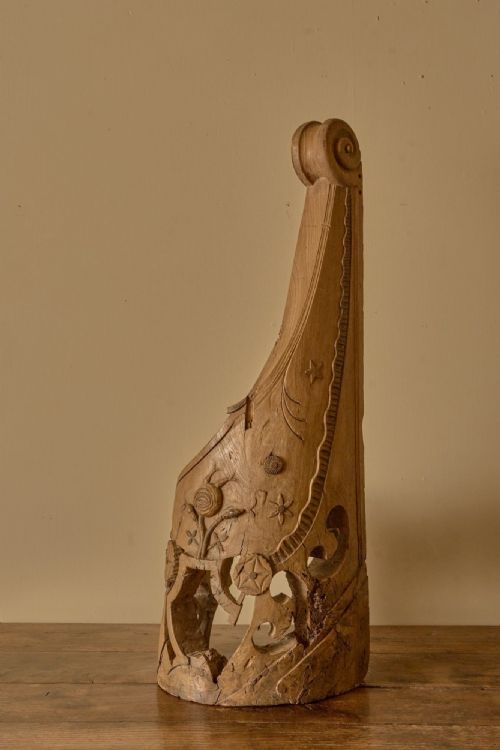
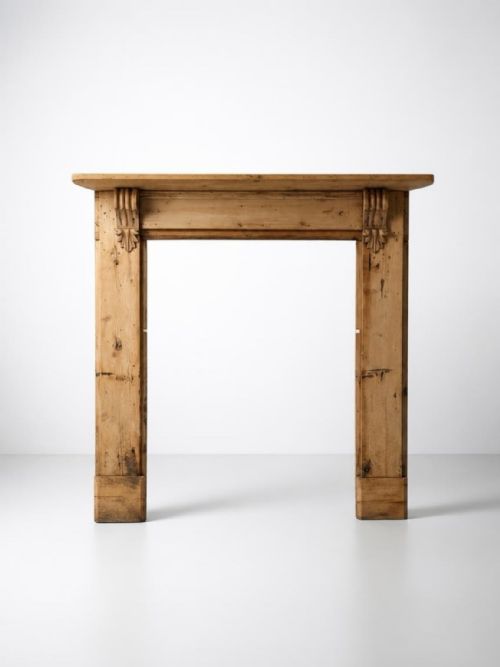
Reclaimed wood carving encompasses salvaged architectural fragments, structural elements, and repurposed furniture pieces originating from various historical periods.
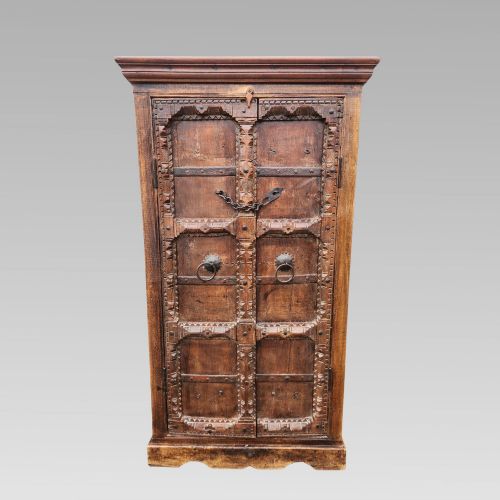
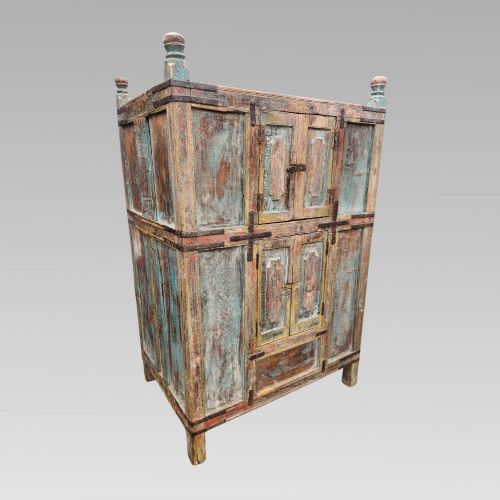
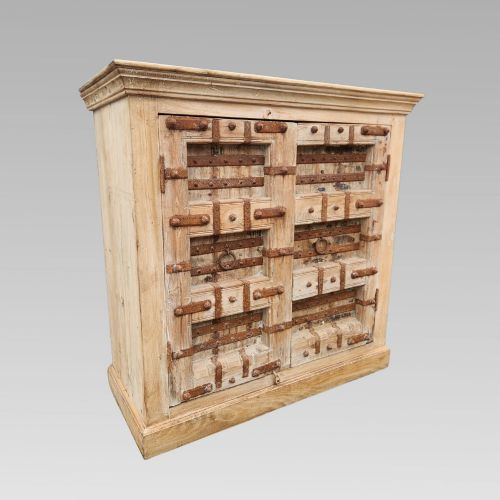
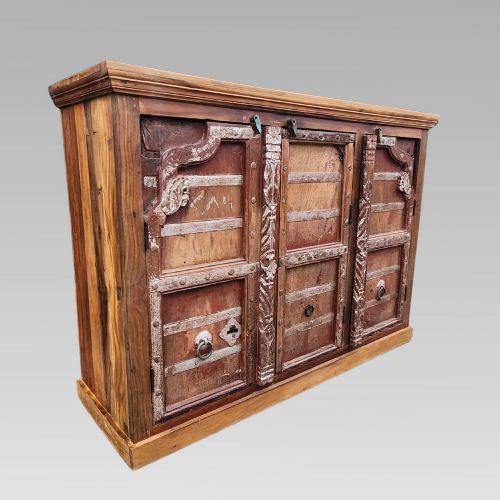
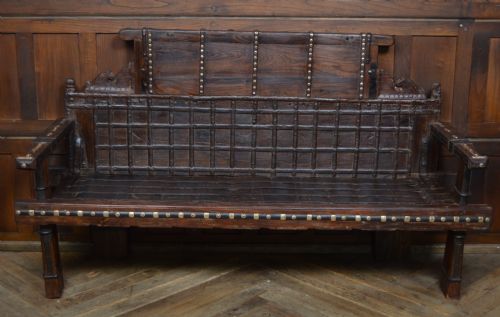
Buyers most frequently encounter items such as carved oak panels, teak storage cupboards, architectural columns, and coffee tables adapted from traditional Indian transport.
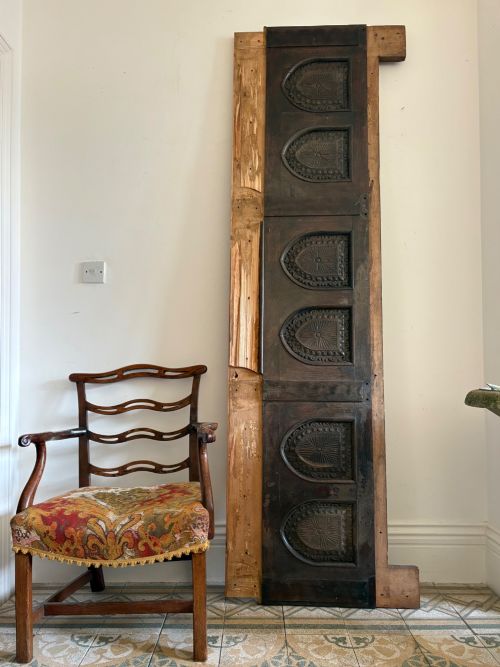
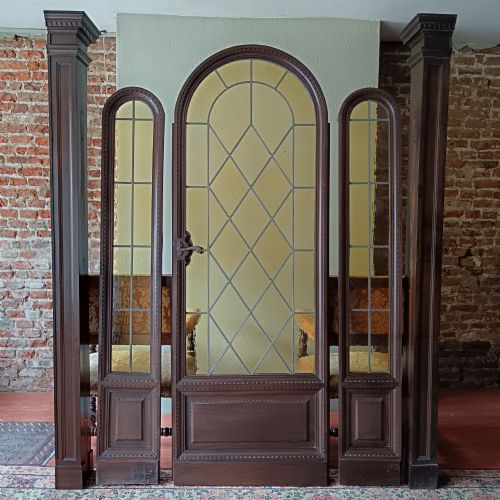
The selection ranges from eighteenth-century oak panels and nineteenth-century Gothic tracery to colonial Indian storage cabinets and French provincial doors.
How they were made
Traditional woodworking relied on dense timbers like oak, teak, walnut, and pitch pine, shaped entirely by hand using chisels, gouges, and planes.
Structural strength was achieved through mortise and tenon joinery, iron brackets, and brass fixings that secured heavy panels and doors.
Surfaces were frequently finished with natural oils, wax, or left raw to weather organically over decades of exposure.
Reclaimed Wood Carving Retail Price Guide 2026
Typical asking prices for reclaimed wood carving among the pieces listed under this phrase on Sellingantiques today, from the lower quarter to the upper quarter. They describe what is for sale here now, not the wider market.
Several coffee tables began their working lives as Indian bullock carts before finding retirement in modern living rooms.
What varies in quality
Quality depends upon the crispness of the hand-carved detail and the structural integrity of the underlying timber.
Earlier pieces exhibit deeper relief carving and more uniform grain selection compared to later provincial adaptations.
The proportion and balance of salvaged architectural elements dictate whether a piece integrates successfully into a modern space.
The Reclaimed Wood Carving Glossary
- Tracery
- Openwork ornamentation in stone or wood, typically seen in Gothic architecture and window frames. It creates delicate geometric patterns across panels.
- Corbel
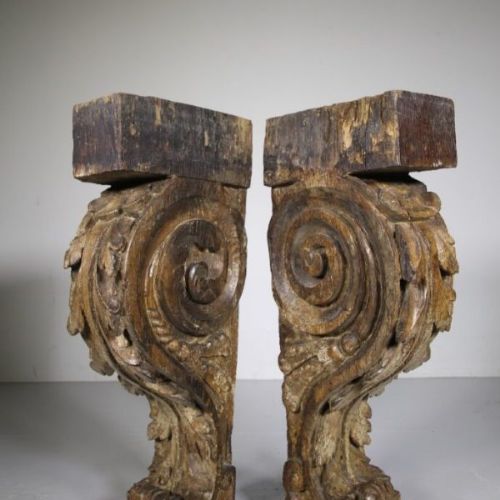
- A structural piece of stone or wood projecting from a wall to carry a weight. These weight-bearing supports often feature scrollwork or figurative carving.
- Parchemin
- A style of wood paneling carved to resemble folded parchment or paper. It was widely used during the medieval and later revival periods.
- Almirah
- A freestanding cupboard or wardrobe of Indian origin. These storage pieces often incorporate reclaimed structural panels and traditional hardware.
Reclaimed Wood Carving: Frequently Asked Questions
How do I hang a heavy wooden panel?
Heavy architectural panels require secure load-bearing fixings screwed directly into masonry or wall studs.
Professional installation is recommended for oversized oak panels and stone-combined columns to ensure stability.
Can antique coffee tables be used daily?
Tables adapted from cart elements or structural timber are built from dense hardwoods designed for robust use.
Routine maintenance involves gentle dusting and occasional waxing to protect the aged surface from moisture.
How do I identify nineteenth-century oak?
Nineteenth-century oak displays distinctive medullary rays and deep patination accumulated through decades of handling.
Tool marks left by hand chisels help distinguish older period pieces from later reproductions.
Are salvaged doors suitable for interiors?
Salvaged doors function effectively as room dividers, wall art, or operational entrances when fitted with proper hinges.
Adjustments to the timber frame may be necessary to accommodate modern floor levels and standard openings.