





Reclaimed Stone Ornament
Reclaimed stone ornament brings centuries of garden history to your grounds, offering weathered troughs, staddle stones, and architectural fragments.
Reclaimed Stone Ornament
When you search for reclaimed stone ornament, you encounter heavy architectural salvage and garden antiques formed from durable materials like sandstone, limestone, and granite. These pieces span centuries, ranging from pre-sixteenth century Gothic pinnacles to nineteenth-century staddle stones and mill stones.
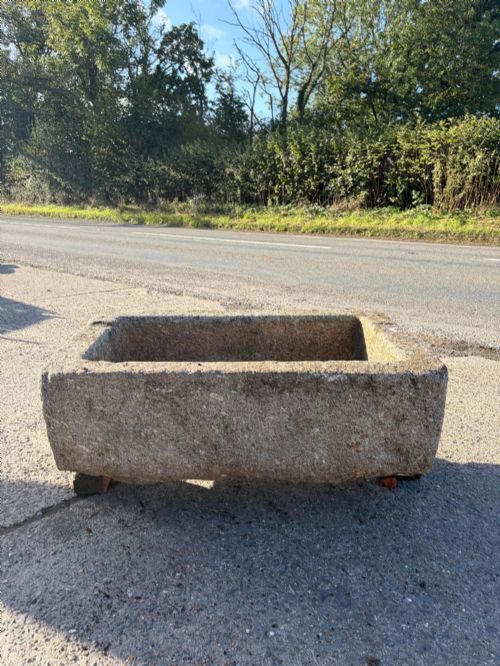
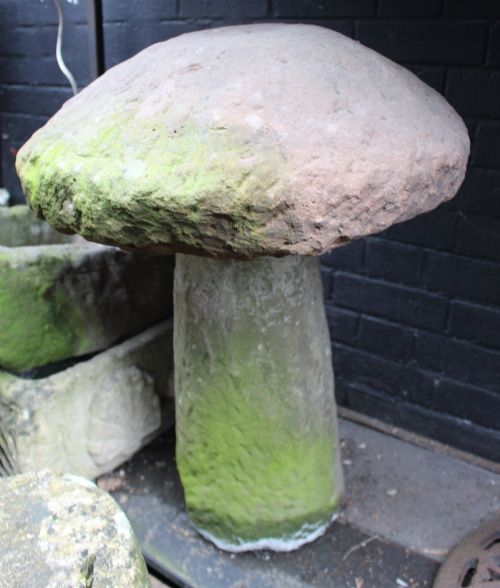
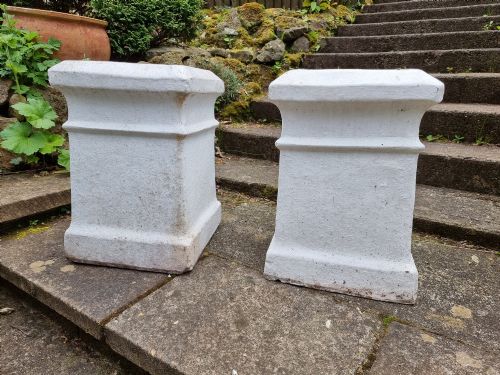
You are most likely to meet utilitarian items repurposed for the garden, such as troughs, staddle stones, grindstones, and chimney pot pedestals. Their forms reflect rural working life and classical or Gothic architectural traditions, shaped by vernacular or revivalist styles.
The selection includes garden statuary, bird baths, planters, and architectural fragments salvaged from historic sites. Each object carries the distinct patina of age, featuring natural growths of moss and lichen that confirm its outdoor history.
Materials and construction
Masons shaped these pieces from native British stones including Cornish and Yorkshire granite, Purbeck stone, sandstone, and limestone using traditional hand-cutting techniques. The geological variety dictates the natural colour and grain, from pale limestone to reddish sandstone.
Many objects began life as agricultural or architectural necessities, such as mill stones for grinding grain or staddle stones supporting granaries to deter rodents. Years of outdoor exposure combined with hand-chiselled surfaces created the distinctive textures seen across the collection.
Reclaimed Stone Ornament Retail Price Guide 2026
Typical asking prices for reclaimed stone ornament among the pieces listed under this phrase on Sellingantiques today, from the lower quarter to the upper quarter. They describe what is for sale here now, not the wider market.
Beverley Minster once claimed the magnificent Gothic pinnacles now standing ready for a garden.
Assessing quality and character
Quality in a reclaimed stone ornament rests upon the integrity of the material, the crispness of surviving detail, and the depth of natural weathering. Pieces originating from significant architectural contexts display superior sculptural ambition compared to utilitarian yard items.
The harmony between the original function and its current garden placement determines the success of the piece. Deep biological growth like moss and lichen enhances the visual weight, while clean structural lines preserve the integrity of architectural fragments.
The Reclaimed Stone Ornament Glossary
- Staddle stone
- A mushroom-shaped stone support formerly used to elevate granaries off the ground to keep damp and vermin away. These feature a distinct cap and base.
- Architectural salvage
- Building elements rescued from structures undergoing demolition or alteration, including pinnacles, keystones, and fragments. They preserve historic stonework for decorative use.
- Sandstone
- A sedimentary rock composed mainly of sand-sized minerals or rock grains, frequently utilised for troughs and staddle stones. It weathers with a distinctive granular texture.
- Keystone
- The central wedge-shaped stone at the apex of an arch that locks the other pieces in place. Dated examples often carry historical inscriptions.
Reclaimed Stone Ornament: Frequently Asked Questions
What is a staddle stone used for?
Staddle stones originally supported wooden granaries and barns, raising the storage structures above the damp earth and deterring rats and mice.
Today, they are placed in gardens as sculptural focal points or paired to flank pathways and entrances.
How do I identify the age of stone ornaments?
Age is determined by tool marks left by masons, the geological type of stone, and the extent of natural weathering. Pre-industrial pieces show hand-chiselled surfaces rather than modern mechanical cutting.
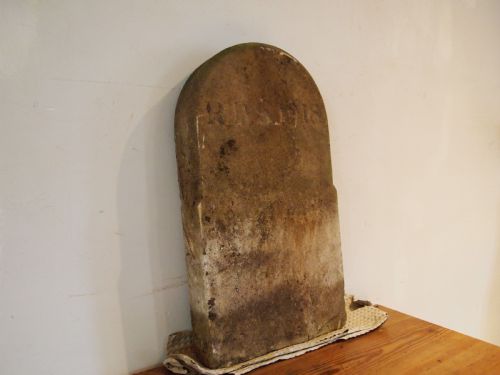
Documented dates on keystones or gravestones provide precise chronological markers for specific items.
Are mill stones very heavy?
Mill stones and grindstones are carved from dense granite or sandstone and possess substantial weight requiring specialist lifting equipment for placement. Their mass ensures they remain stable on the ground without additional fixings.
Positioning requires careful planning of access routes into the garden before delivery.
Can I leave stone ornaments outside in winter?
Sandstone, granite, and limestone items are robust and withstand outdoor winter weather due to their original function as exterior architectural elements. Natural weathering, including moss and lichen growth, continues outdoors.
Ensuring proper drainage beneath troughs and planters prevents water accumulation and frost cracking.