





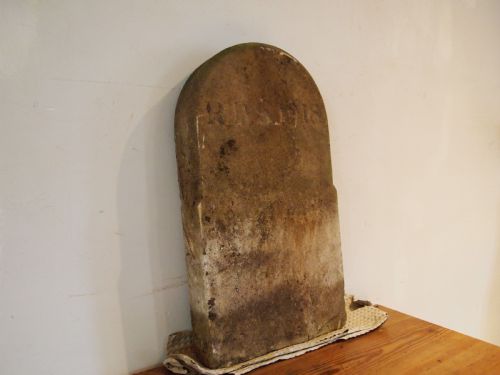


Reclaimed Stone Carving
Reclaimed stone carving offers solid structural form and weather-worn character, bringing centuries of architectural history directly into modern gardens.
Reclaimed Stone Carving
A reclaimed stone carving brings structural integrity and historic weight to gardens and architectural projects, drawing on centuries of vernacular design. Buyers seek these pieces to anchor outdoor spaces with authentic period materials that have weathered naturally over generations.
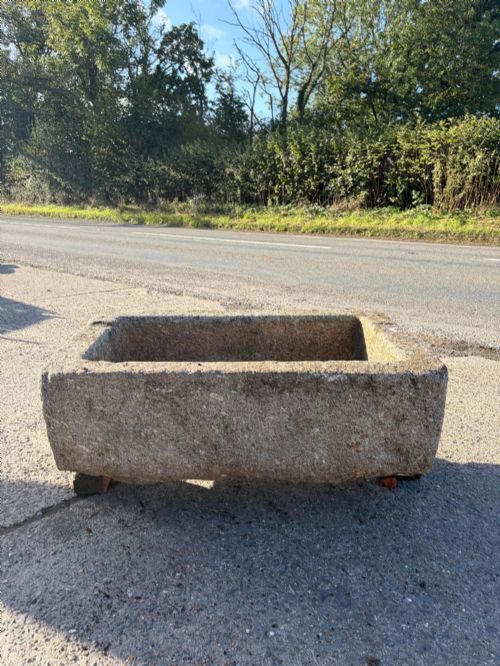
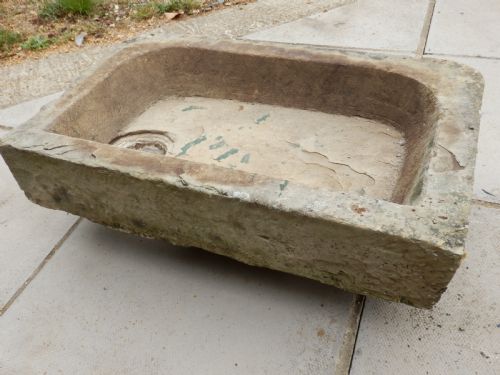
The selections span from utilitarian agricultural items to ecclesiastical salvage, reflecting practical and decorative uses across several centuries. Cornish granite troughs, staddle stones, mill stones and sandstone fragments dominate the available forms.
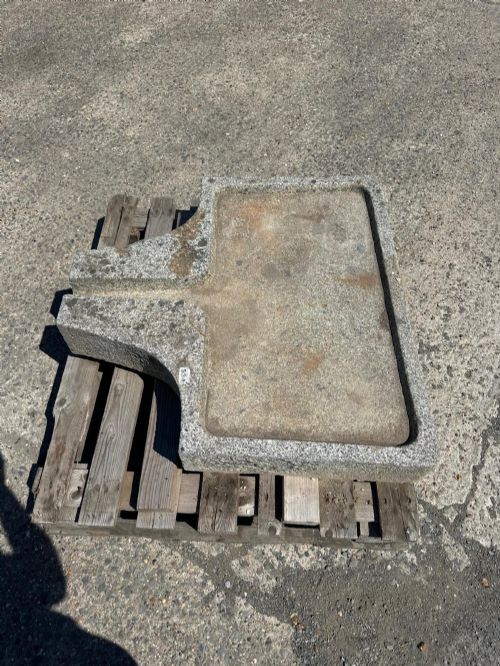
Pieces range from rustic vernacular items like gritstone sinks and press bases to formal Gothic revival elements such as limestone pinnacles and columns. Natural stone, sandstone and limestone appear frequently, bearing the marks of their original architectural context.
How they were made
Masons shaped these items using heavy manual tooling on quarried stone such as sandstone, granite and limestone. Tool marks, chisel facets and surface weathering reveal the direct application of traditional hand-working techniques.
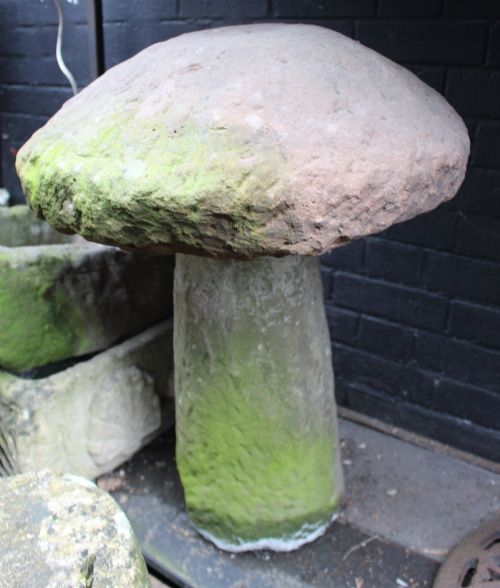
Agricultural and architectural elements were carved for endurance rather than display, utilising the inherent density of local strata like Cornish granite and York stone. Natural biological growth such as moss and lichen often coats the surfaces after long exposure to the elements.
Reclaimed Stone Carving Retail Price Guide 2026
Typical asking prices for reclaimed stone carving among the pieces listed under this phrase on Sellingantiques today, from the lower quarter to the upper quarter. They describe what is for sale here now, not the wider market.
Beverley Minster once claimed the Gothic pinnacles before they migrated to a quiet retirement in the garden.
What varies in quality
The distinction between standard utility items and exceptional pieces lies in the crispness of the original carving and the integrity of the material. Architectural fragments from named ecclesiastical sites demonstrate a higher degree of sculptural ambition than standard agricultural troughs.
Proportion and surface patina dictate the visual success of each piece, where centuries of exposure have softened sharp edges without obscuring the form. Complete structural survival without modern cement repairs elevates items like staddle stones and mill stone bases.
The Reclaimed Stone Carving Glossary
- Staddle stone
- A mushroom-shaped stone support originally used to elevate granaries and grain stores off the damp ground. These pieces feature a distinct base and cap combination hewn from sandstone or granite.
- Keystone
- The central wedge-shaped stone at the apex of an arch that locks all the other elements into position. Dated examples often display carved numbers or initials.
- Mill stone
- A heavy circular stone wheel utilised historically for grinding grain or pressing agricultural produce. They appear frequently in granite and limestone formations.
- Gothic Revival
- An architectural and decorative style drawing inspiration from medieval design principles. Pieces in this category include pointed arches, pinnacles and ecclesiastical fragments.
Reclaimed Stone Carving: Frequently Asked Questions
What is a staddle stone used for?
Originally, staddle stones supported timber granaries above ground level to keep stored grain dry and safe from vermin.
Today, buyers place them as decorative garden ornaments, often arranging them in lines or pairs across lawns.
Can antique stone troughs go outside?
These items spent centuries exposed to outdoor elements, making them entirely suited for permanent garden placement.
Ensure they sit on a level, well-drained surface to prevent water retention during freezing winter conditions.
How are architectural fragments dated?
Dating relies on the tooling marks left by masons, the prevailing architectural style of the period, and documentary evidence where structures are known.
Weathering patinas and material types also help specialists place items within specific centuries.