





Reclaimed Iron Architectural Salvage
These reclaimed iron architectural salvage pieces bring heavy structural history and garden structures directly from past centuries into domestic and outdoor spaces.
Reclaimed Iron Architectural Salvage
When buyers search for reclaimed iron architectural salvage, they look at heavy structural and decorative elements recovered from period properties, estates, and churches. These items carry the weight of Victorian, nineteenth century, and early twentieth century engineering into modern settings.
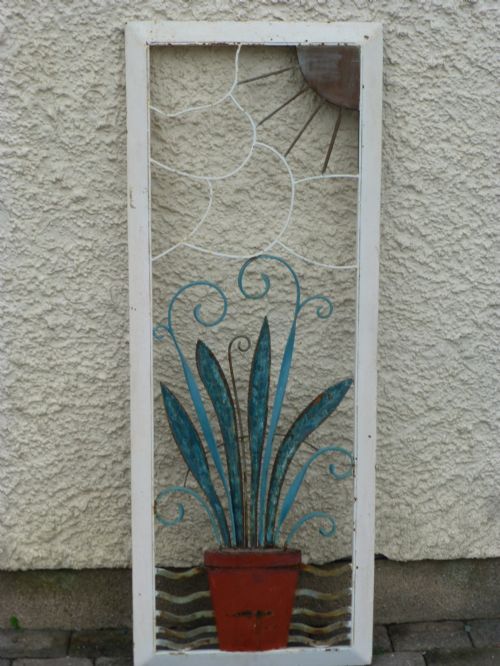
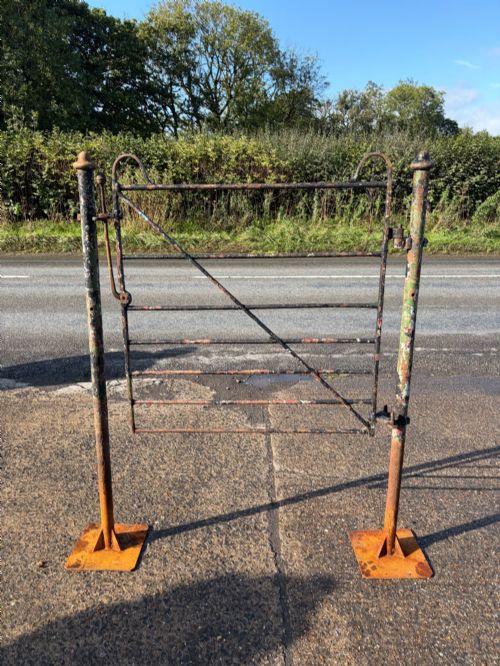
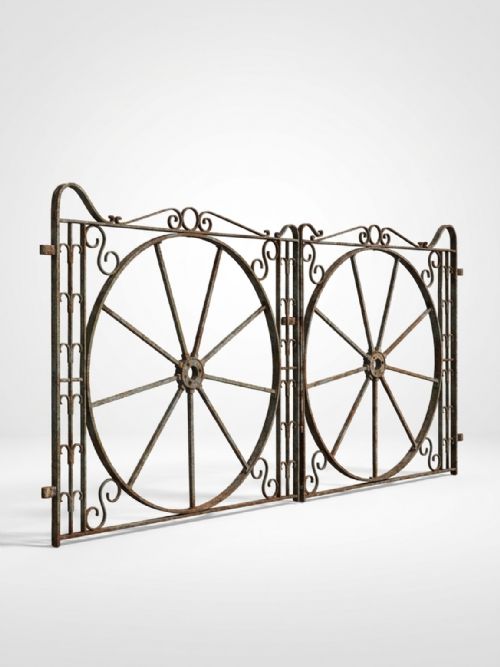
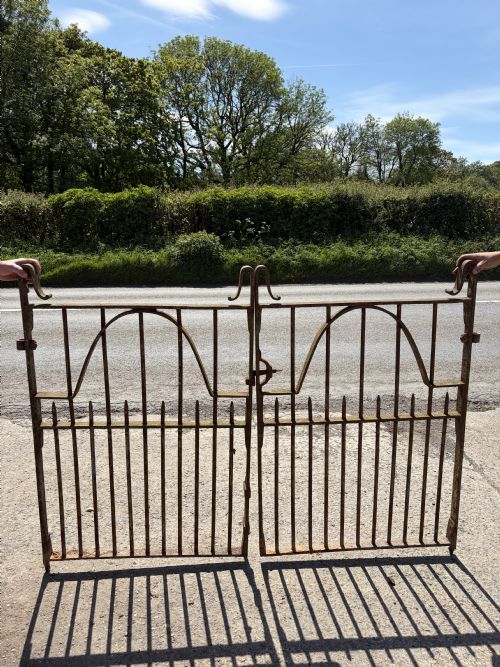
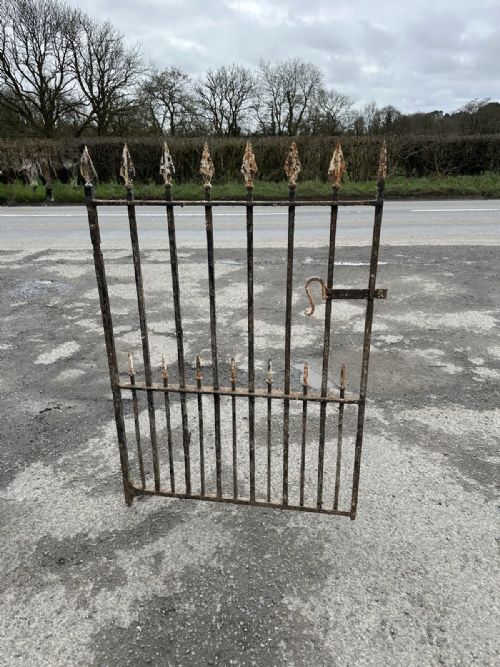
The selection on this page centres heavily on functional boundary markers and structural fittings. Garden gates, driveway gates, and kissing gates dominate the offerings, alongside utilitarian items such as lamp posts, brackets, window frames, and wall shelves.
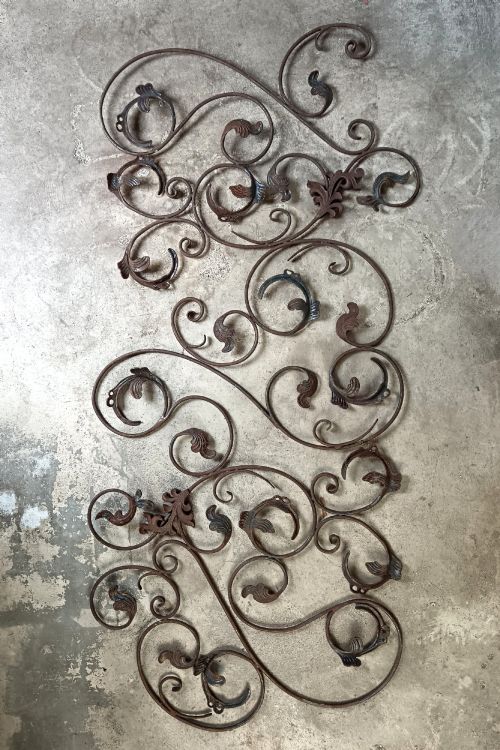
Origins stretch from rural English estates and country properties to continental workshops, taking forms ranging from simple strapwork estate gates to elaborate screen panels. Buyers utilise these survivors to anchor gardens or add genuine period framework to interiors.
How these pieces were made
Blacksmiths and foundry workers relied on wrought iron and cast iron as the primary media for these pieces. Wrought iron provided the tensile strength needed for forged scroll panels and strapwork gates that could flex without snapping.
Cast iron allowed workshops to pour molten metal into moulds for heavy architectural panels, brackets, and lamp posts with repeating decorative details. Artisans frequently combined both cast and wrought techniques within a single gate or screen to balance rigid support with decorative forged scrollwork.
Reclaimed Iron Architectural Salvage Retail Price Guide 2026
Typical asking prices for reclaimed iron architectural salvage among the pieces listed under this phrase on Sellingantiques today, from the lower quarter to the upper quarter. They describe what is for sale here now, not the wider market.
One surviving chapel door comes complete with integrated pine timbers and heavy strapwork measuring ten feet by six feet.
What varies in quality
The distinction between ordinary and exceptional pieces lies in the ambition of the original commission and the integrity of the surviving metal. Estate-made gates built for grand country houses show heavier gauges of iron and more intricate hand-forged strapwork than standard utilitarian barriers.
Proportion and scale dictate the visual success of the piece within a modern garden or room. Superior examples retain their original structural bracing and complex geometric or scroll detailing without excessive pitting from deep corrosion.
Raymond Subes
The Reclaimed Iron Architectural Salvage Glossary
- Cast iron
- Iron melted and poured into a mould to take a specific shape upon cooling. It offers high compressive strength but remains brittle under sudden impact.
- Strapwork
- Flat bands of metal crossed, interlaced, or scrolled to form decorative and structural patterns. This technique appears frequently on estate gates and architectural panels.
- Kissing gate
- A small gate hung within an enclosure that swings between two posts, allowing pedestrian access while preventing livestock from escaping. These often feature simple iron frames.
- Ceiling rose
- A circular decorative moulding fixed to a ceiling from which a light fitting or centrepiece hangs. Iron examples provide heavy structural support and industrial visual weight.
Reclaimed Iron Architectural Salvage: Frequently Asked Questions
How do I install heavy iron gates?
Heavy estate gates require substantial masonry or timber posts sunk deep into the ground to bear the considerable weight of the metal. Professional installation ensures the hinges align properly and can support the swing without pulling away from the wall.
Once secured, regular maintenance helps prevent the iron from binding in its frame as the ground shifts through different seasons.
Can exterior iron salvage be used indoors?
Interior spaces easily accommodate pieces like iron brackets, window mirrors, and wall shelves when fixed to suitable load-bearing walls. The heavy structural presence of these items anchors a room and provides a distinct contrast against plastered surfaces.
Careful cleaning removes surface dirt while preserving the weathered patina accumulated over decades of exposure.
How do I date a wrought iron gate?
Dating relies on observing the manufacturing marks, assembly methods, and the style of the scrollwork or strapwork. Hand-forging techniques and heavier gauge iron typically point towards nineteenth century or earlier estate production.
Standardised components and machine-rolled sections generally indicate later nineteenth or early twentieth century manufacture.
How should I treat weathered iron surfaces?
Active flaking rust requires gentle brushing to stabilise the surface before applying a protective wax or rust-inhibiting coating. This stops further degradation while retaining the aged character of the metal.
Harsh abrasive stripping can destroy the historical dark patina built up through generations of outdoor exposure.