



Reclaimed Industrial Furniture
Reclaimed industrial furniture brings rugged utility and honest history into the modern home through repurposed workshop benches and heavy iron bases.
Reclaimed Industrial Furniture
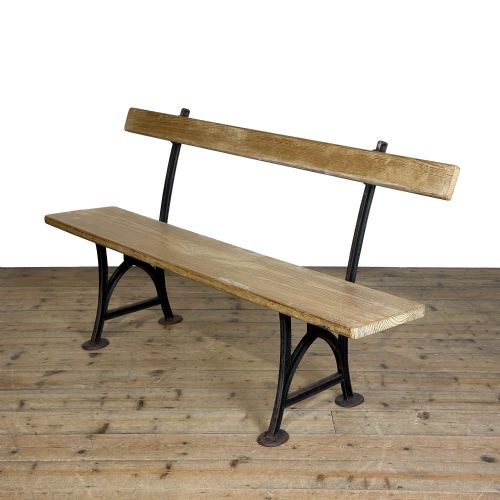
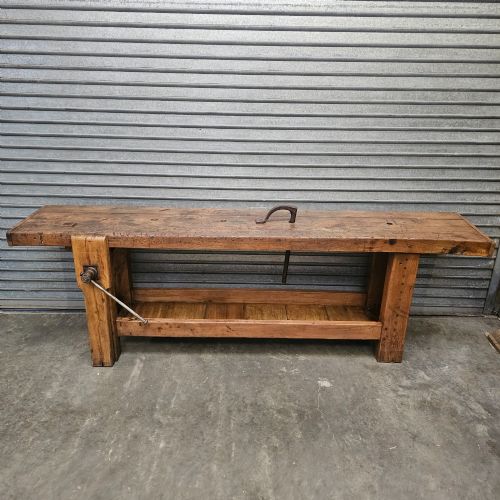
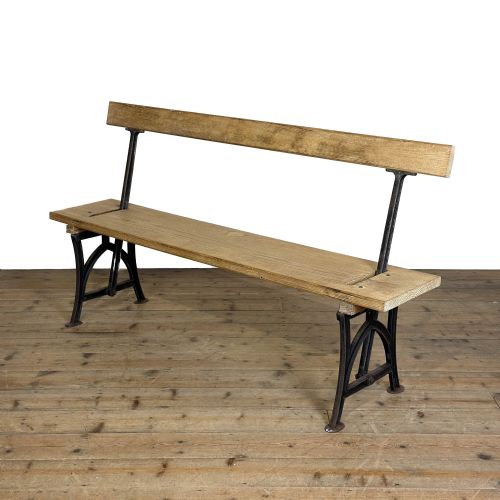
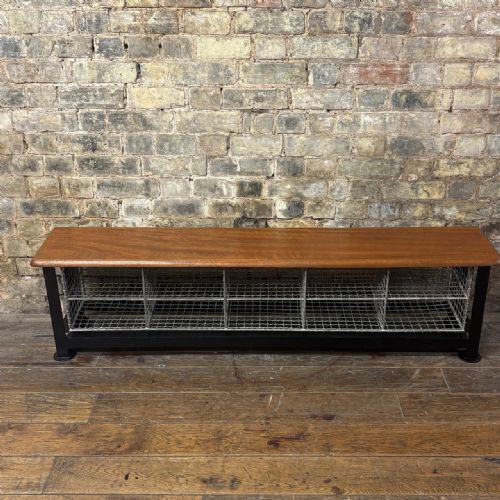
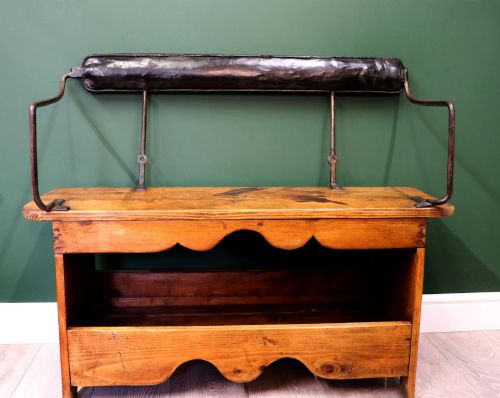
Reclaimed industrial furniture comprises practical items designed for heavy trade use, repurposed now for domestic settings. Buyers searching for reclaimed industrial furniture encounter sturdy workbenches, school gym shoe benches, and robust storage units.
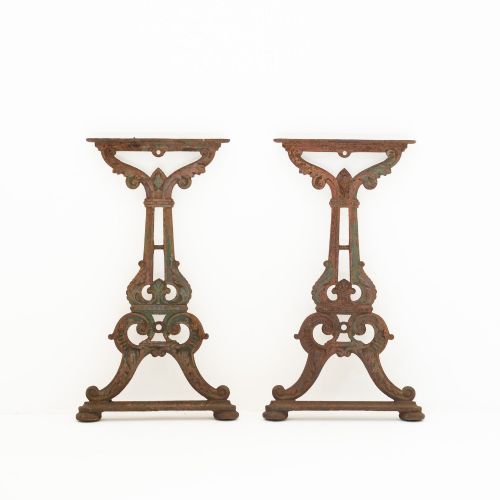
The pieces on this page span the nineteenth century up to 1930, capturing the utilitarian aesthetic of Victorian and Edwardian workshops. You will frequently find pine workbenches, cast iron table bases, and engineer cabinets.
Origins vary from British railway stations and schools to French artisans' workshops and Swedish domestic spaces. Each object retains the marks of its previous working life, making it distinct from standard modern household fittings.
How these pieces were made
Makers utilised durable hardwoods, pine, and heavy metals like cast iron, steel, and wrought iron to withstand demanding daily labour. Iron components often feature bolted or riveted construction, whilst wooden surfaces rely on solid timber tops paired with wire mesh or leather details.
Construction prioritised sheer strength and longevity over aesthetic refinement, resulting in exposed fixings and substantial framing. Many items retain original paint remnants, patinated timber tops, or functional additions such as wooden vices and pigeon holes.
Reclaimed Industrial Furniture Retail Price Guide 2026
Typical asking prices for reclaimed industrial furniture among the pieces listed under this phrase on Sellingantiques today, from the lower quarter to the upper quarter. They describe what is for sale here now, not the wider market.
Current listings feature items from the 19th century up to 1930, constructed from pine, hardwood, cast iron, steel, and wire mesh.
What varies in quality
Quality rests in the authenticity of the wear and the integrity of the original construction rather than decorative polish. Items with untouched surface patination and working mechanical elements like vices or adjustable bases command greater interest.
The thickness and substance of the timber top, alongside the casting quality of the iron supports, define the upper tier of these pieces. Lesser examples often feature stripped surfaces that have lost the depth of history found in untouched workshop finish.
The Reclaimed Industrial Furniture Glossary
- Cast iron
- A strong, heavy alloy poured into moulds to create rigid structural supports. It forms the heavy bases of many industrial tables and bench frames.
- WorkBench
- A sturdy table used by artisans and craftspeople for manual labour. These often incorporate built-in vices and heavy timber working surfaces.
- Pigeon holes
- Small, open compartments used for sorting paperwork or parts. They appear frequently in salvaged office and workshop storage units.
- Patina
- The surface sheen and colour developed through years of handling, age, and use. It indicates the genuine history of a utilitarian object.
- Trestle table
- A table consisting of two or more support frames connected by a long beam. This design offers robust stability for heavy domestic or working use.
Reclaimed Industrial Furniture: Frequently Asked Questions
How do I clean reclaimed industrial furniture?
Wipe wooden surfaces gently with a damp cloth and mild soap to preserve the existing surface character. Avoid harsh chemical strippers that remove the historic patination accumulated over decades of use.
For iron and steel components, apply a light coat of clear wax or oil to prevent further oxidation. This protects the metal whilst keeping the original workshop finish visible.
Are these pieces suitable for modern kitchens?
Butchers blocks and sturdy workbenches integrate exceptionally well into contemporary kitchens as prep islands or serving surfaces. Their robust timber tops are built to handle heavy culinary tasks.
Ensure that raw wooden tops are properly sealed if you plan to prepare food directly on the surface. Maintenance depends entirely on how heavily you use the workspace.
How do I date a piece of industrial furniture?
Examine the construction methods, fastener types, and materials used across the framework. Nineteenth-century items often display hand-forged ironwork and heavy pine, whereas pieces from the 1930s introduce simpler welded steel and standardised components.
Maker marks, stencilled workshop numbers, and remnants of original paint also offer reliable clues to an object's era of origin.
Can I use an industrial table base with a glass top?
Heavy cast iron and wrought iron bases provide stable, striking foundations for bespoke table tops. Many Victorian and Edwardian bases are salvaged specifically for this purpose.
Ensure the weight of the base adequately balances the dimensions of your chosen top to maintain structural stability. Rubber buffers placed between the metal and glass prevent slipping and scratching.