



Reclaimed Garden Gate
A reclaimed garden gate brings solid nineteenth-century ironwork and structural presence straight to an entrance or boundary wall.
Reclaimed Garden Gate
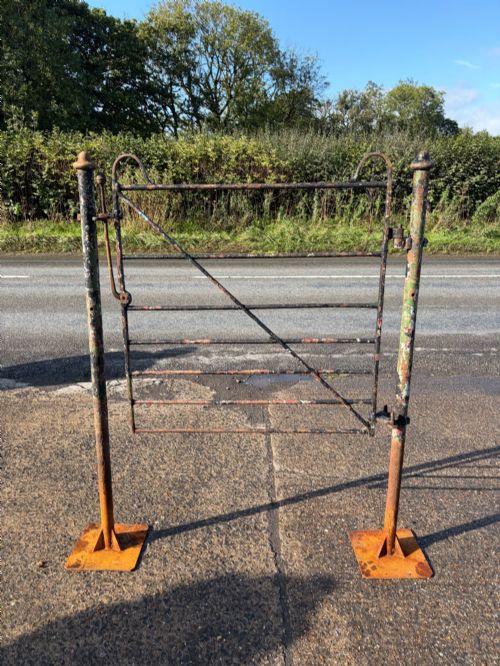
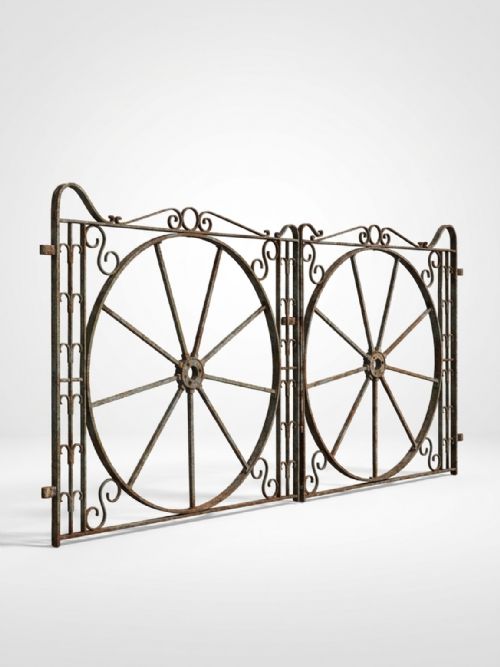
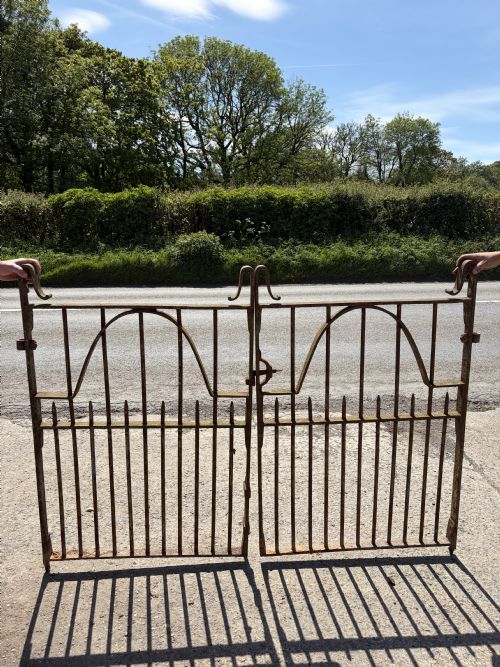
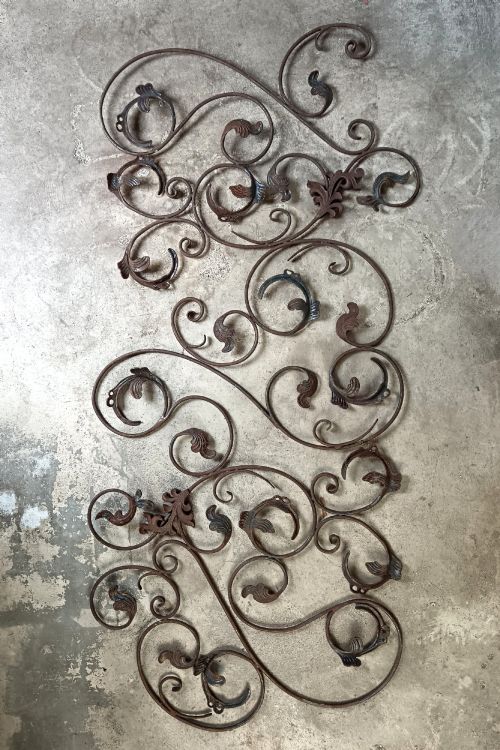
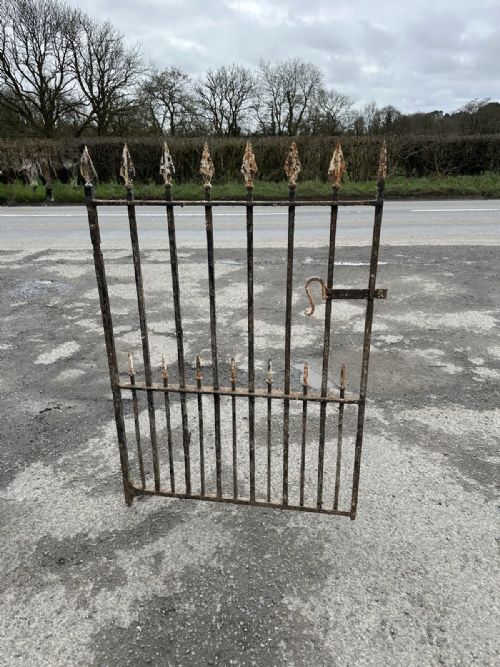
A reclaimed garden gate is a functional architectural salvage piece, most commonly encountered here as a nineteenth-century wrought iron pedestrian or estate design. These pieces range from single pedestrian barriers and kissing gates to monumental double driveway gates salvaged from country properties.
The styles recorded across these listings span simple rustic farmhouse forms to formal Victorian estate pieces, alongside occasional classical revival and art deco ironwork. Buyers select them to frame outdoor pathways or mount between stone pillars as traditional landscape boundaries.
Dating primarily from the Victorian era and the broader nineteenth century, with occasional eighteenth-century roots, these items carry heavy strapwork, scroll panels, and trident details. They provide immediate architectural weight and period character to gardens of any scale.
Materials and construction methods
The primary metalwork relied upon by makers is wrought iron, frequently paired with cast iron elements for heavier structural components or decorative finials. Individual bars and strapwork were forged by hand, utilising traditional joining techniques to form rigid yet resilient outdoor barriers.
Select architectural pieces incorporate bronze details alongside iron frames, demonstrating advanced metalworking craftsmanship from periods such as the art deco era. Structural resilience was achieved through thick gauge metal sections designed to withstand decades of exterior exposure.
Reclaimed Garden Gate Retail Price Guide 2026
Typical asking prices for reclaimed garden gate among the pieces listed under this phrase on Sellingantiques today, from the lower quarter to the upper quarter. They describe what is for sale here now, not the wider market.
Some historic gates arrive with stubborn ivy root systems still gripping the lower scrolls.
Distinguishing quality and craftsmanship
Quality in these architectural pieces rests on the weight and complexity of the metalwork, distinguishing heavy estate-made strapwork and hand-forged scroll panels from lighter production items. Superior examples feature integrated mounting posts, intricate trident details, or substantial forged sections that retain their structural integrity.
The degree of original weathering and the survival of secondary materials, such as paired configurations or matching architectural screens, also separate standard garden entrances from monumental architectural salvage. The finesse of the blacksmith's hand in shaping scrolls and joints defines the upper tier of surviving ironwork.
Raymond Subes
The Reclaimed Garden Gate Glossary
- Wrought iron
- A tough, malleable form of iron containing slag inclusions, traditionally worked by hand on an anvil to create durable outdoor gates and scrollwork.
- Strapwork
- Flat bands of metal arranged in geometric patterns or interlaced scrolls, frequently utilised to reinforce heavy estate gates.
- Kissing gate
- A small pedestrian gate that swings within a closed enclosure, allowing one person to pass through at a time while keeping livestock contained.
- Architectural salvage
- Building components and decorative elements rescued from older structures for reuse in contemporary gardens and restorations.
- Pedestrian field gate
- A single-entry gate designed for foot traffic rather than vehicles, often built with robust side posts for stability.
Reclaimed Garden Gate: Frequently Asked Questions
How do I install a heavy iron gate?
Heavy nineteenth-century ironwork requires deep, secure masonry or timber anchor posts to bear the considerable weight of solid metal strapwork. Professional installation ensures the gate swings true without sagging over time.
Alignment is critical for double estate gates to meet correctly at the centre latch point. Proper ground clearance prevents the bottom rail from dragging on paving or soil as seasons change.
How do I protect antique iron outdoors?
Historic iron benefits from stable protective coatings that inhibit further oxidation while preserving the weathered surface texture accumulated over decades. Regular application of specialist oils or traditional paints shields the metal from moisture.
Clearing accumulated debris from joints and hinges prevents trapped dampness from causing localized corrosion. Inspecting the metal annually helps catch weathering before structural integrity is affected.
Can I resize an old metal gate?
Altering historic wrought iron requires skilled blacksmithing techniques to cut, reforge, or weld structural members without compromising the aesthetic balance of the scrollwork. Most collectors prefer to adapt the opening between pillars rather than modify the original piece.
Modifications on nineteenth-century strapwork can disrupt the symmetry of hand-forged panels. Consulting a conservator ensures the salvage retains its historic character.
How do I date a Victorian iron gate?
Dating relies on examining the manufacturing marks, construction methods, and decorative motifs such as trident finials or classical scrollwork typical of the nineteenth century. Hand-forged wrought iron generally indicates earlier nineteenth-century or eighteenth-century origins compared to later standardised steel.
Estate provenance and records associated with architectural salvage often provide additional context for specific country properties. Comparing the heft of the strapwork with dated examples narrows down the period of manufacture.