



Reclaimed Garden Features
These reclaimed garden features are heavy architectural salvage and stone pieces built for utility, offering genuine age and rustic character for outdoor spaces.
Reclaimed Garden Features
You are most likely to meet 19th century and 18th century examples fashioned from sandstone, granite, limestone, and cast iron. Their forms reflect functional origins such as farm support, grain pressing, and agricultural storage.
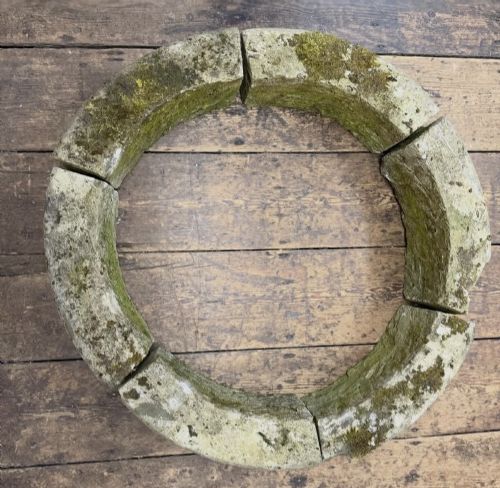
The selection ranges from sturdy staddle stone bases to hollowed bird baths and structural ceiling roses. Each piece carries the distinct weathering of its working history in farmyards and rural properties.
Materials and construction
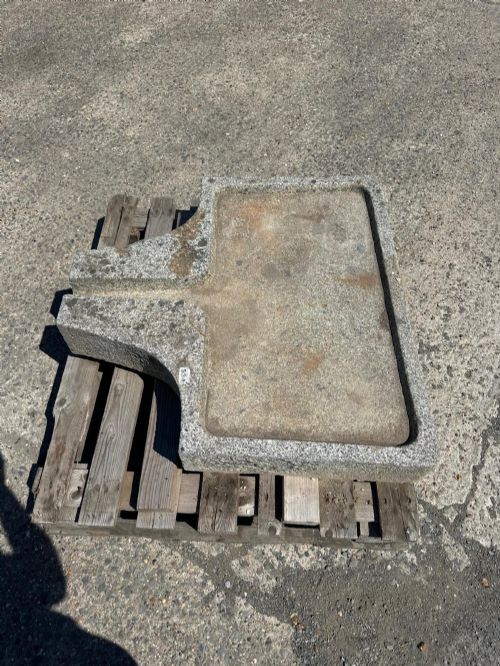
Masons shaped natural blocks of Cornish granite, sandstone, gritstone, and Purbeck stone using manual cutting and hewing techniques. These dense materials were chosen for their durability in agricultural settings and resistance to heavy weather.
Cast iron items like corner hay racks and ceiling roses utilised traditional foundry methods. Molten metal was poured into moulds to create functional curves and structural support brackets designed to endure daily farm use.
Reclaimed Garden Features Retail Price Guide 2026
Typical asking prices for reclaimed garden features among the pieces listed under this phrase on Sellingantiques today, from the lower quarter to the upper quarter. They describe what is for sale here now, not the wider market.
Granite press blocks carry the quiet weight of centuries spent squeezing juice and oil before machinery took over.
Judging quality in salvaged stone
Quality rests in the integrity of the original form and the honesty of the weathering. Natural organic growth such as moss and lichen adds visual depth without compromising the underlying structural stone.
Superior pieces display clean tool marks from the original stonemason alongside heavy, uncompromised proportions. Softer stone edges that have worn too rounded can obscure the architectural silhouette of staddle stones and mill stones.
The Reclaimed Garden Features Glossary
- Staddlestone
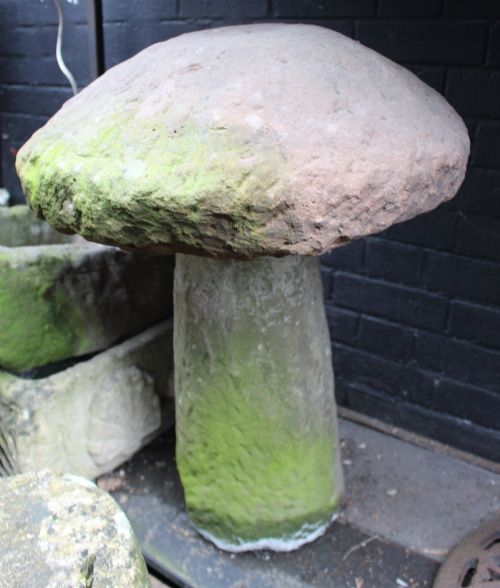
- A mushroom-shaped stone support originally used to elevate granaries above the damp ground and deter vermin. The cap sits atop a tapered base.
- Grindstone
- A thick stone wheel mounted for sharpening edged tools by rotation. These heavy discs show central square or circular apertures.
- Mill stone
- A large circular stone used in pairs for grinding grain into flour. They feature carved furrows across the flat face to aid milling.
- Ceiling Rose
- An ornamental plaster or cast iron centrepiece fixed to a ceiling from which a light fitting or hook hangs. Victorian examples often display robust floral or geometric patterns.
- Architectural Salvage
- Building materials and fixtures rescued from structures slated for demolition. These pieces retain period craftsmanship for reuse in new settings.
Reclaimed Garden Features: Frequently Asked Questions
What is a staddle stone?
A staddle stone is a traditional agricultural support formed of a base and a cap. Farmers used them to lift wooden granaries clear of the soil to keep grain dry and safe from rodents.
Over time, these durable stone pillars transitioned into garden ornaments, prized for their rustic silhouette and heavy proportions in outdoor layouts.
How heavy are granite mill stones?
Granite mill stones are exceptionally heavy due to the dense nature of the stone and their solid circular dimensions. Moving them requires mechanical assistance and careful placement on a stable outdoor surface.
Their substantial weight ensures they remain stable on lawns or patios without sinking or shifting during harsh weather.
How do I identify 18th-century stone?
Eighteenth-century stone pieces display hand-carved tool marks left by stonemasons working before the widespread adoption of industrial machinery. The surface texture and weathered edges reveal long exposure to rural elements.
Comparing the geological type, such as regional sandstone or granite, helps place the object within its historical period and agricultural context.