


Reading Stand Furniture
Reading stand furniture gathers adjustable tables, lecterns, and revolving bookcases designed to hold books at a comfortable angle for the eye.
Reading Stand Furniture
Reading stand furniture brings together pieces built specifically to hold texts, scores, and papers for study or leisure. The selection on this page centres on practical timber forms intended for libraries, drawing rooms, and studies.
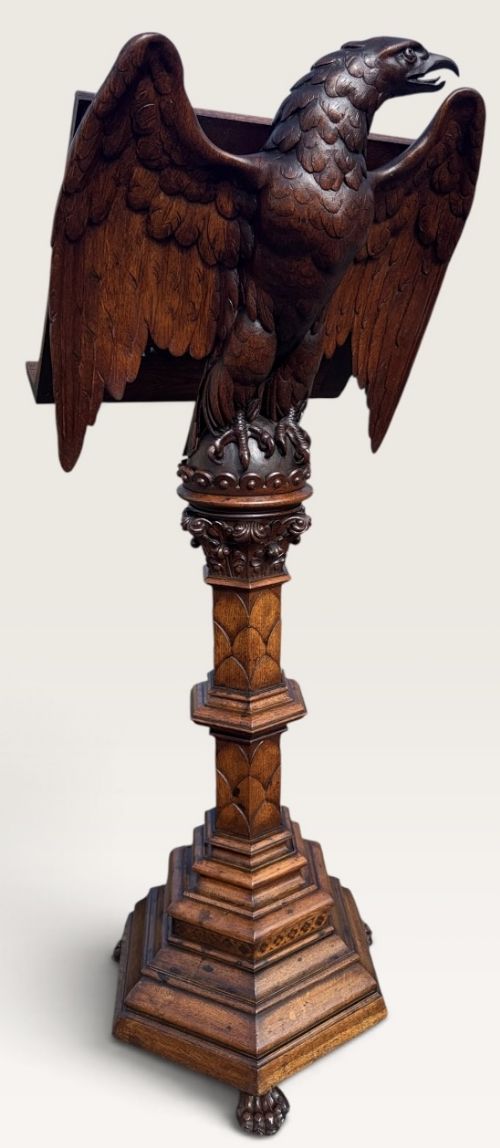
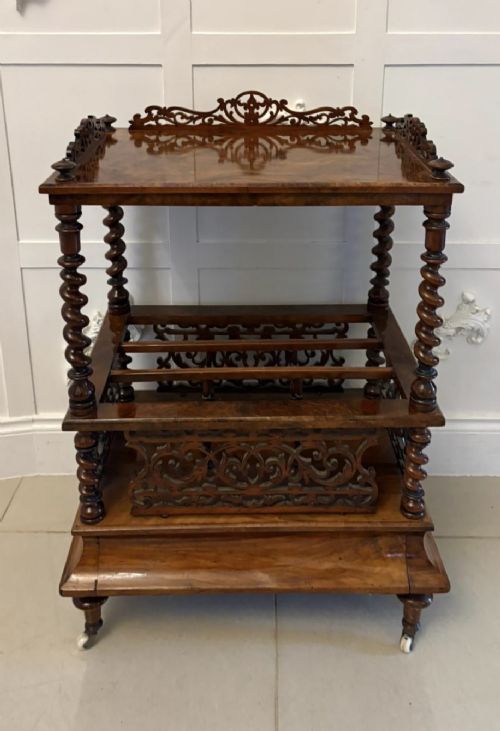
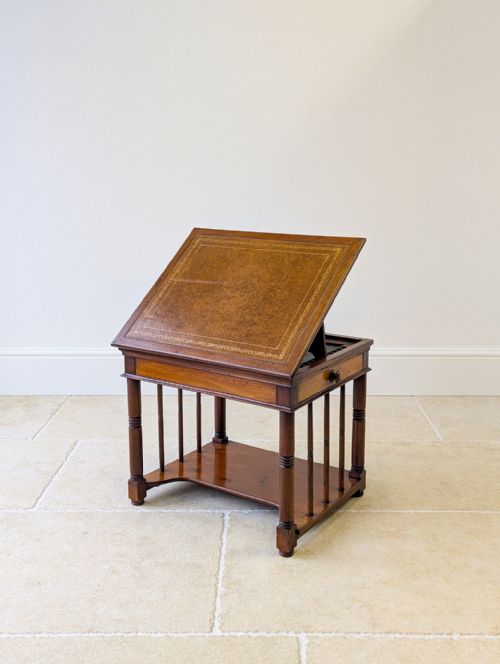
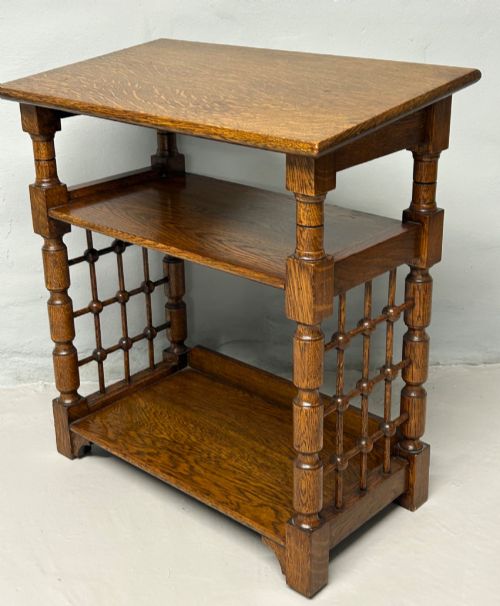
The most common versions met here include mahogany reading tables, oak revolving bookcases, and church lecterns dating from the nineteenth and early twentieth centuries. These encompass portable campaign stands, music stands, and tiered whatnots.
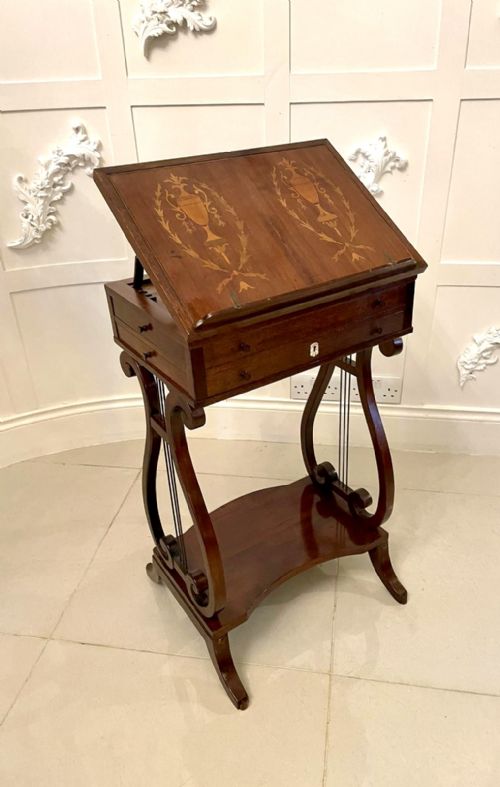
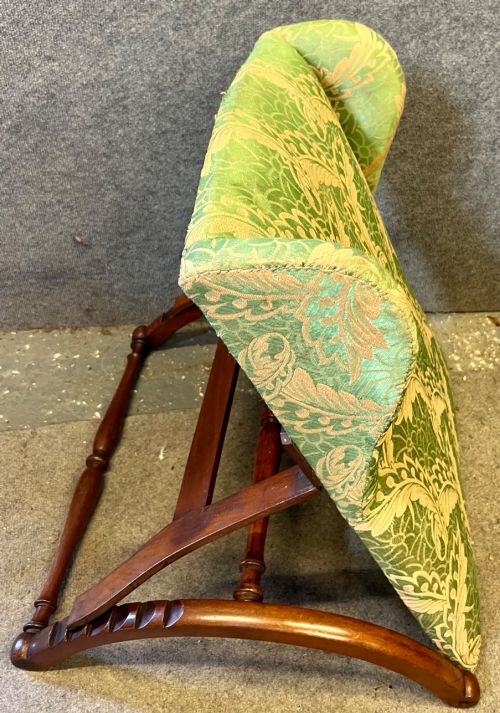
Makers adapted these stands for different domestic spaces, combining writing surfaces with book troughs and adjustable ledges. Buyers encounter everything from heavy Gothic Revival church furniture to elegant Regency and Edwardian occasional pieces.
Materials and Joinery
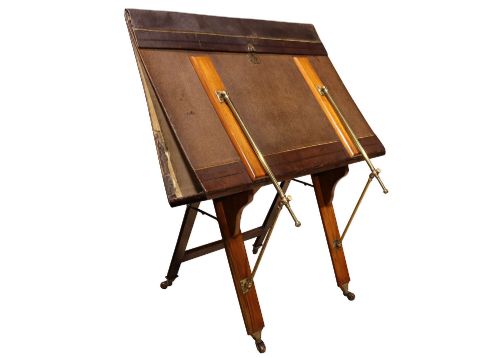
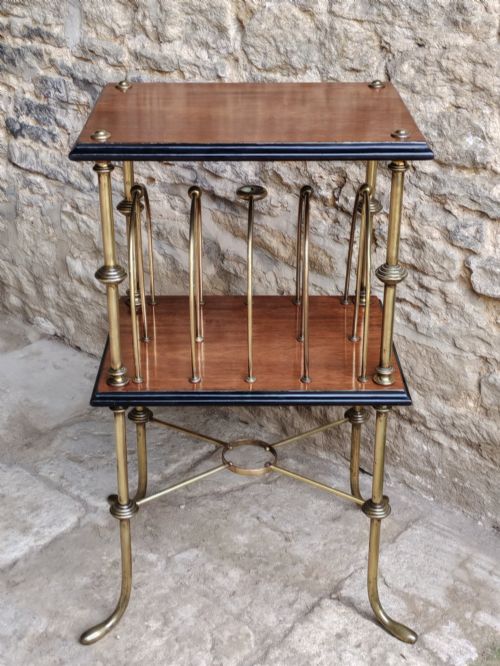
Timbers like mahogany, rosewood, oak, and walnut form the structural carcasses of these pieces, selected for strength and finished with polished surfaces. Cabinet makers utilised brass for ratchets, hinges, and telescopic mechanisms that allowed desks and ledges to tilt.
Carved decoration appears frequently on oak lecterns and walnut tables, particularly within Gothic Revival and ecclesiastical designs. Inlaid mahogany and burr walnut veneers define the finer Edwardian and Regency domestic items.
Reading Stand Furniture Retail Price Guide 2026
Typical asking prices for reading stand furniture among the pieces listed under this phrase on Sellingantiques today, from the lower quarter to the upper quarter. They describe what is for sale here now, not the wider market.
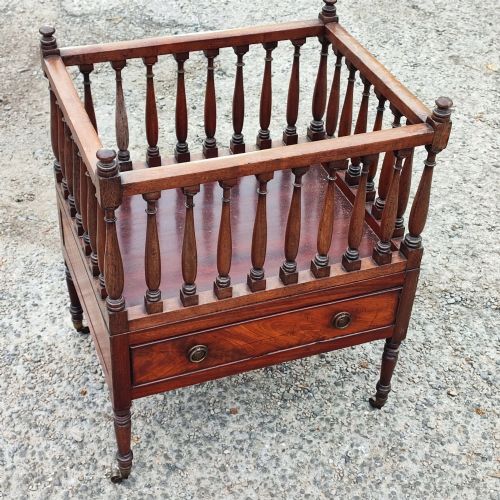
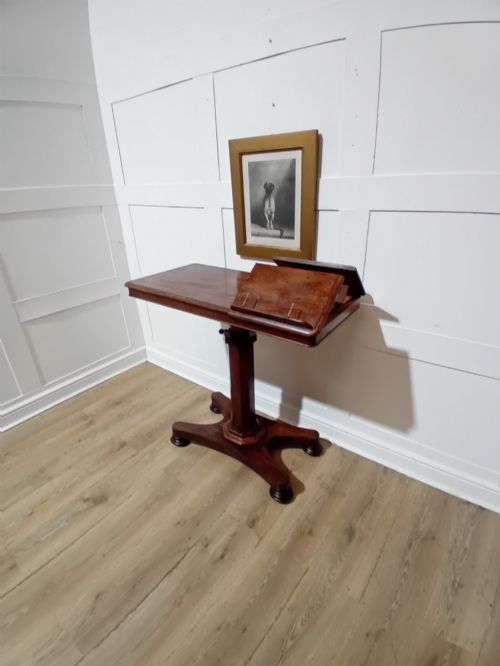
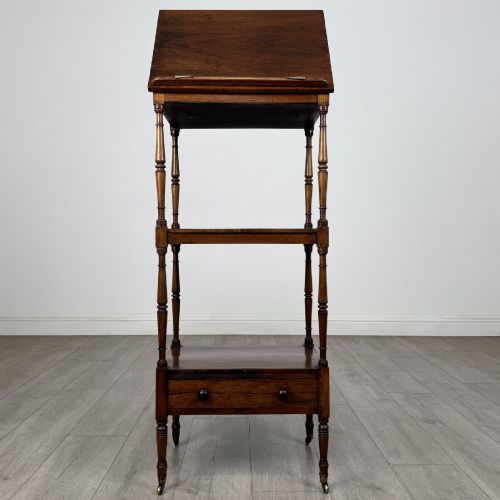
Object forms recorded include reading tables, whatnots, revolving bookcases, lecterns, and canterburys.
Judging Quality
The standard of timber selection and the complexity of the internal mechanism govern the quality of reading stand furniture. Superior pieces use solid mahogany, rosewood, or figured walnut with precise dovetailing and stable joints.
Smooth operation in adjustable ratchets, folding book rests, and revolving columns separates workshop output. Finer items exhibit crisp carving, well-fitted brass fittings, and intact patent hardware rather than stiff movement.
Leveson and Sons·Gillows·Waring and Gillows·Carter·Benjamin Taylor and Sons
The Reading Stand Furniture Glossary
- Lectern
- A stand with a sloping top designed to hold a book or text for reading aloud. These often appear in heavy carved oak or pine from church settings.
- Revolving Bookcase
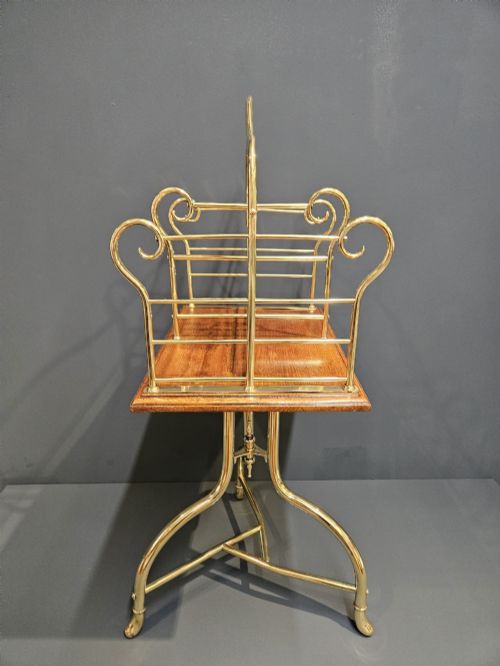
- A freestanding tiered bookcase mounted on a rotating spindle to allow access from any angle. They are commonly constructed in solid oak or mahogany.
- Whatnot
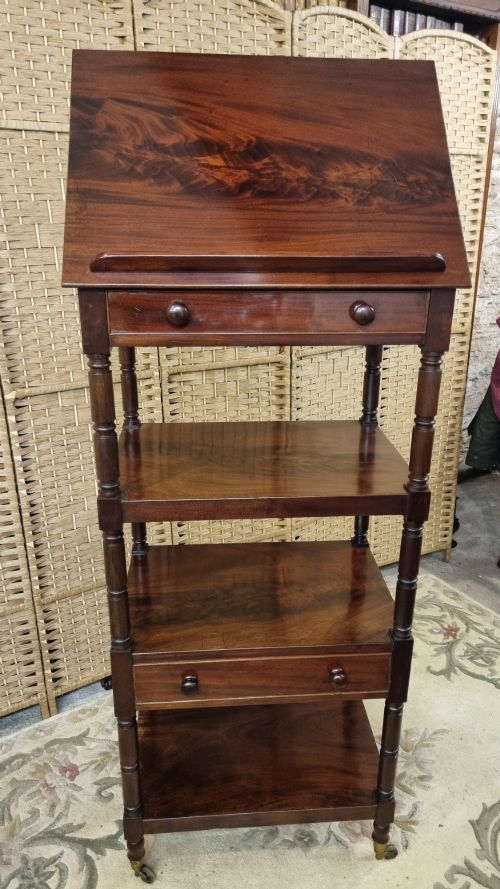
- An open set of multi-shelf furniture used for displaying books or ornaments. Many examples incorporate reading stands or music storage.
- Canterbury
- A low stand featuring partitions for sheet music, books, or periodicals. They frequently combine magazine racks with occasional table tops.
- Telescopic
- Describing a standard or shaft that adjusts vertically by means of an inner sliding pillar. This adjustment allows the reading height to suit the user.
Reading Stand Furniture: Frequently Asked Questions
How do adjustable reading stands work?
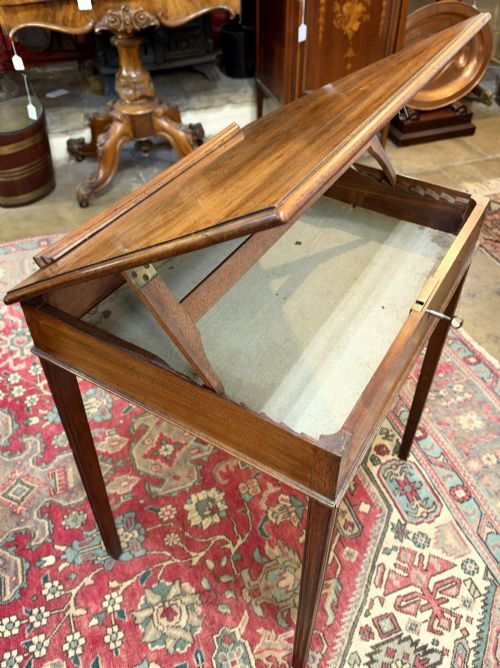
Many reading tables and book rests utilise brass ratchets or folding struts underneath the surface to prop the ledge at various angles.
Some incorporate telescopic central columns that raise or lower the entire reading surface for use while sitting in a library chair.
Where were revolving bookcases used?
Revolving bookcases were placed beside armchairs or near desks in nineteenth and early twentieth-century libraries and studies.
Their rotating action allowed owners to keep a selection of reference volumes close at hand without taking up excessive floor space.
Are church lecterns suitable for home use?
Church lecterns are generally larger and heavier than domestic reading stands, often featuring carved eagles or Gothic Revival tracery.
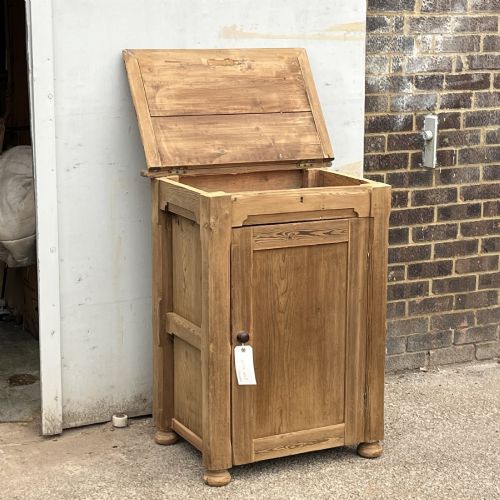
While built for ecclesiastical spaces, smaller examples and modified cupboards find a place in large studies or hallways as statement stands.