

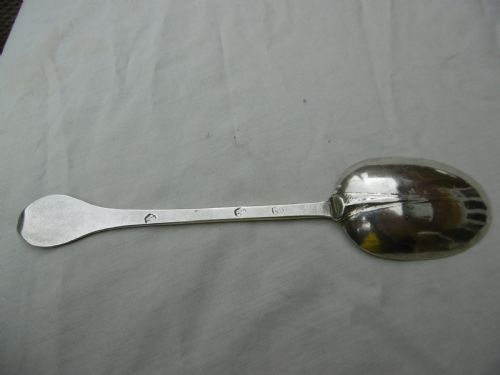


Rare Silver Spoon
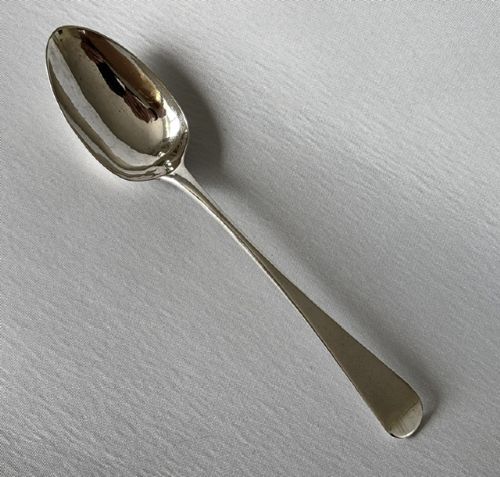
A rare silver spoon carries centuries of hallmarked history in the palm of your hand, offering functional elegance from Georgian, Victorian, and earlier eras.
Rare Silver Spoon
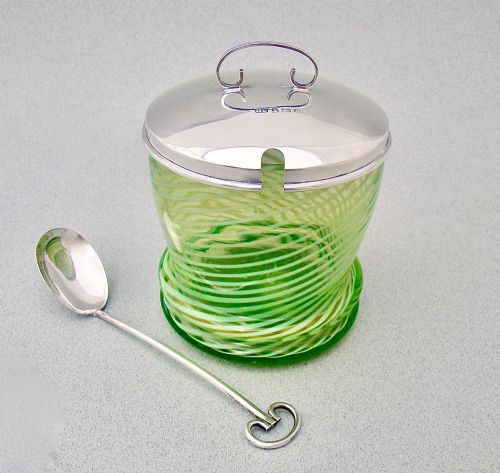
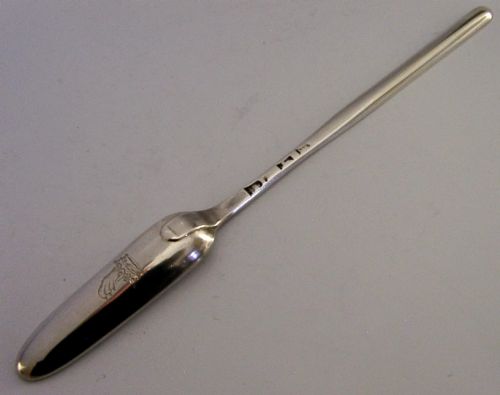
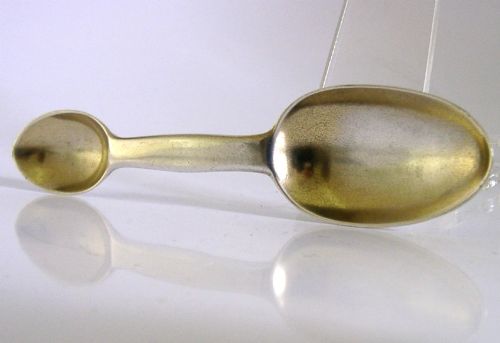
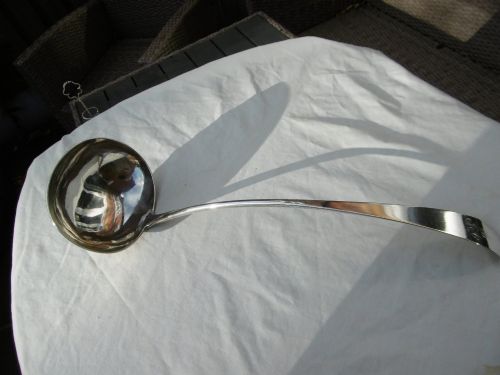
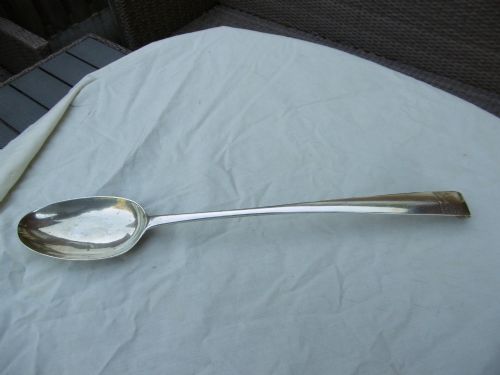
The objects listed extend beyond standard flatware to include marrow scoops, medical spoons, soup ladles, and novelty spoon warmers. These pieces originate from English, Scottish, Irish, and continental workshops, utilising sterling silver, silver plate, and occasionally combining silver wire with glass or vermeil.
Materials and methods of construction
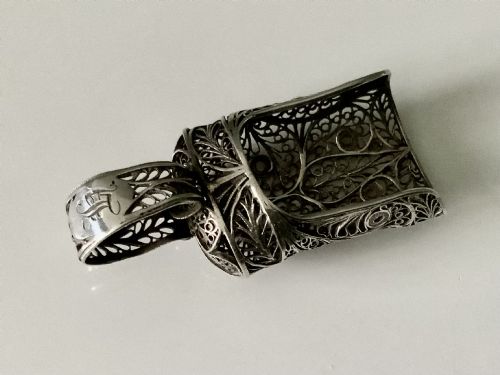
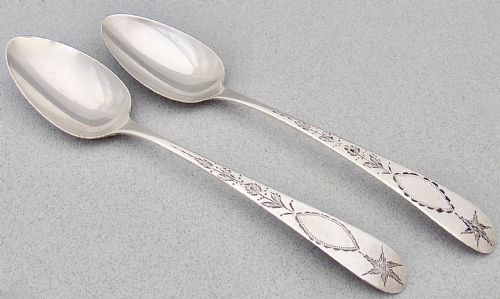
Silversmiths shaped these items using traditional techniques such as hammering solid sterling silver ingots, casting handles, and applying hand-engraved crests or filigree work. Early pieces rely on heavy gauge metal, evident in rat-tail attachments and robust dognose profiles.
Later Victorian and Edwardian examples demonstrate specialised manufacturing methods, including silver plating over base metal and intricate machine stamping. Makers incorporated diverse materials like vaseline glass for preserve jars alongside the dominant sterling silver components.
Rare Silver Spoon Retail Price Guide 2026
Typical asking prices for rare silver spoon among the pieces listed under this phrase on Sellingantiques today, from the lower quarter to the upper quarter. They describe what is for sale here now, not the wider market.
Listings feature items spanning the seventeenth, eighteenth, nineteenth, and twentieth centuries, utilising sterling silver, silver plate, vermeil, glass, and metal.
Distinctions in quality and execution
Superior quality in these items rests upon the clarity of hallmarks, the crispness of maker marks, and the original weight of the metal. Pieces retaining clear town marks, maker stamps, and untouched family crests command greater attention from collectors.
The integrity of the bowl shape, the firmness of any joints, and the absence of excessive polishing wear separate exceptional survivals from heavily altered examples. Provincial pieces and private die commissions also exhibit distinct regional craftsmanship that elevates their standing.
George Unite·Milne and Campbell·Peter and Jonathan Bateman·John Pittar·John Craig·Jerimiah Johnson·Isaac Davenport·Hester Bateman·R Grey·James Tait·Jamieson and Naughton·Oliver Barker·John Pike·Richard Rae·J Ladyman·Archibald Knox·Peter Webb
The Rare Silver Spoon Glossary
- Dognose tablespoon
- An early style of spoon featuring a rounded, upturned terminal shaped like a dog nose. This form dominated the late seventeenth and early eighteenth centuries before evolving into the modern pattern.
- Marrow scoop
- A narrow, double-ended utensil designed for extracting marrow from bones. These items date predominantly from the Georgian period and feature contrasting trough widths.
- Slip top
- An early form of spoon handle cut off diagonally at the end without a distinct terminal knob. Examples survive from the sixteenth and seventeenth centuries.
- Trefid
- A late seventeenth-century spoon style with a lobed terminal resembling a trifid. The top of the stem typically displays rat-tail reinforcement on the reverse of the bowl.
- Silver plate
- A manufacturing method involving a thin layer of silver bonded to a base metal core. This technique became widespread during the Victorian era for novelty items like spoon warmers.
Rare Silver Spoon: Frequently Asked Questions
What was a spoon warmer used for?
Victorian dining customs utilised spoon warmers to keep service cutlery warm before hot food was served at the table. These vessels held hot water and took various decorative forms, including novelty items like marine buoys and shoes.
Guests or servants would rest ladles and serving spoons against or inside these ceramic and silver-plated containers. They functioned as both practical dining accessories and ornamental centerpieces during large formal meals.
How should I clean antique silver spoons?
Preserving antique silver requires minimal cleaning using specialised non-abrasive silver cloths or gentle washing in warm soapy water. Avoid harsh chemical dips that strip away desirable patination and soften engraved crests.
Store pieces in tarnish-resistant fabrics away from direct sunlight and humidity. Regular handling naturally maintains a soft shine without accelerating wear on fragile hallmarks.
What is a marrow scoop?
A marrow scoop is a specialised piece of cutlery featuring a long, narrow trough at each end for extracting bone marrow. They became particularly popular during the Georgian period when marrow dishes appeared regularly at elite dining tables.
The double-ended design allowed the user to reach deep into both large and small bones. These implements are prized today for their specialised function and robust sterling silver construction.