


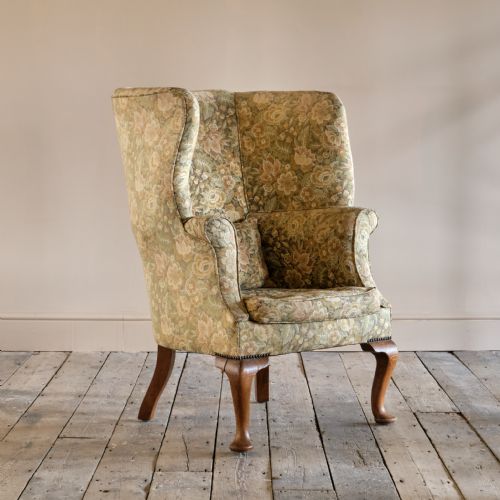


Queen Anne Wingback Chairs
Queen Anne wingback chairs provide high-backed comfort and draught protection, spanning from authentic 18th-century originals to later revival interpretations.
Queen Anne Wingback Chairs
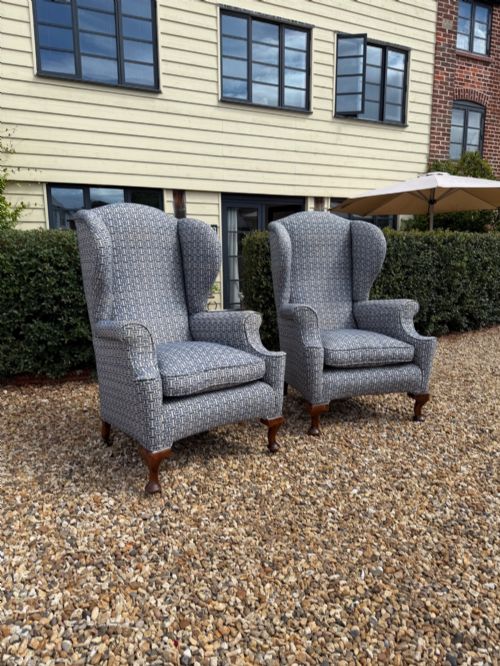
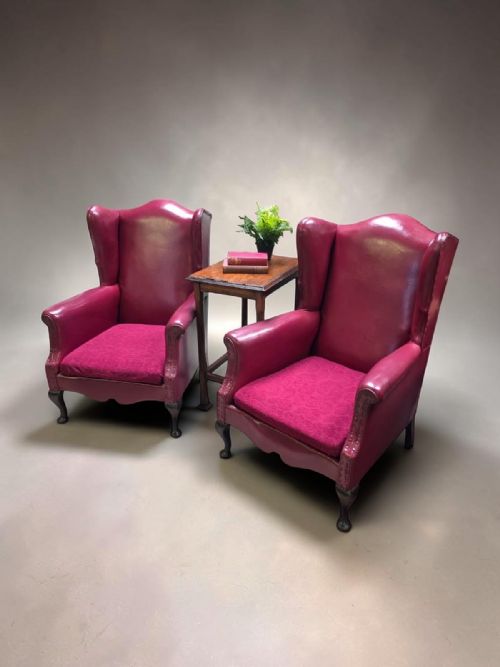
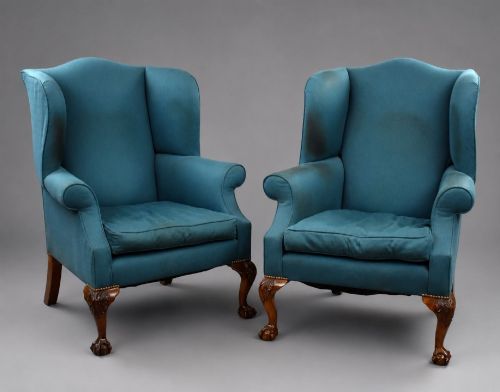
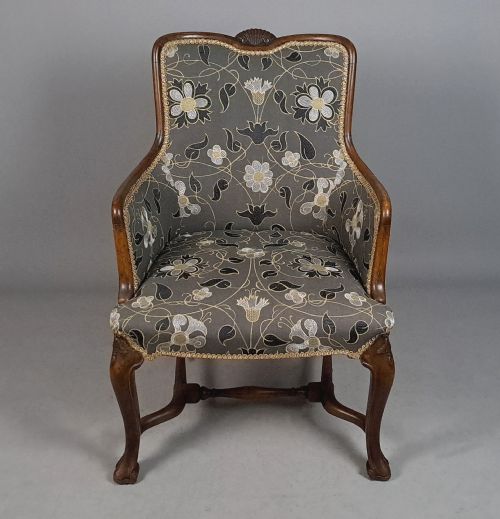
When you search for queen anne wingback chairs, you encounter seating designed to shield the sitter from draughts by enclosing the head and shoulders in upholstered panels. These forms include barrel-backed armchair variations and fireside seating built for domestic warmth. Surviving pieces range from authentic 18th-century examples to later revivals executed in Victorian and Edwardian workshops.
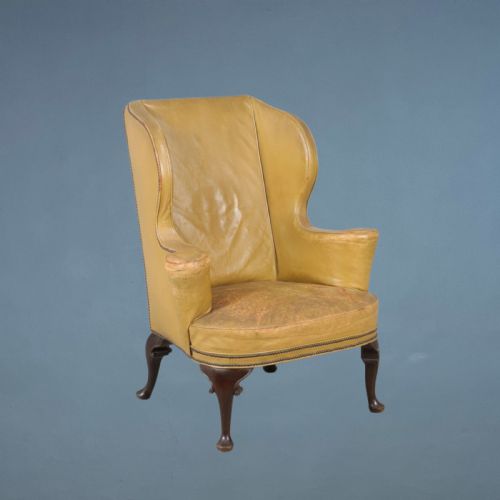
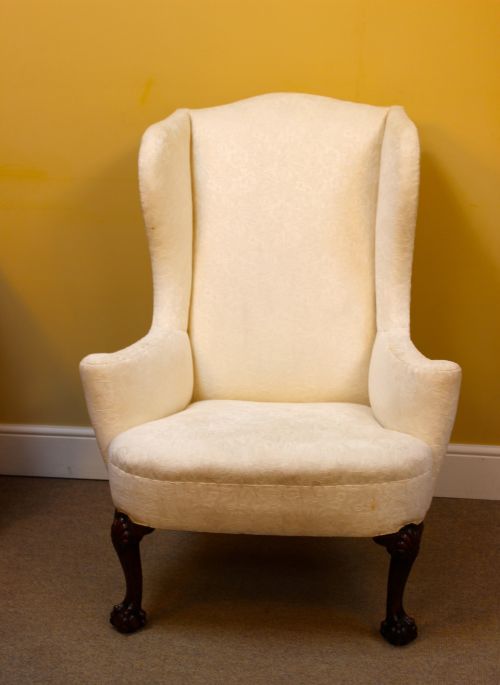
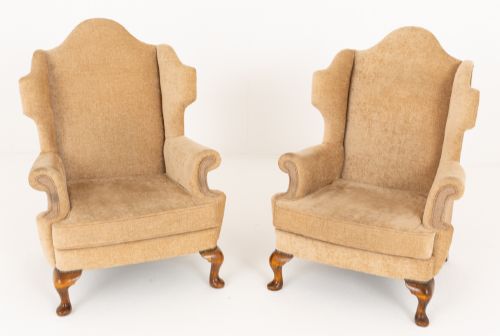
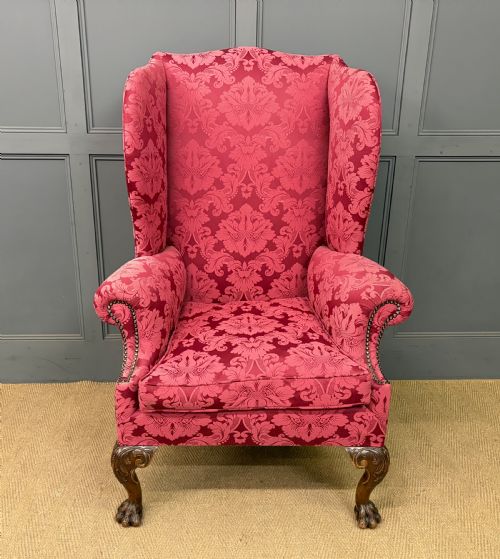
You are most likely to meet revival pieces from the late 19th century and the 1920s on this page, alongside earlier walnut and mahogany iterations. Makers across these periods adopted the defining high back and upholstered wings, often pairing them with distinctive cabriole legs. Whether rendered in Georgian style or late Victorian taste, each piece balances substantial padding with timber framing.
Materials and construction methods
The underlying frames rely upon sturdy hardwoods such as walnut and mahogany, chosen for structural resilience. Timber supports are shaped to form cabriole legs, sometimes accented with brass details.
Upholstery defines the exterior presence, utilising traditional textile, fabric, and leather stretched over padded internal structures. Makers secured these coverings with meticulous tacking, enclosing the wooden skeleton entirely except for the exposed leg supports.
Some chairs include hidden spaces beneath loose seat cushions where centuries of lost coins quietly accumulate.
Distinctions in craftsmanship
Quality rests primarily in the harmony of the timber frame and the integrity of the joinery beneath the upholstery. Superior examples exhibit finely carved walnut or mahogany cabriole legs that flow naturally into the seat frame.
The standard of covering material and internal stuffing further divides the range. Dense, well-executed leather and high-grade fabric maintain the architectural silhouette of the wings and back over decades of use.
Whytock and Reid
The Queen Anne Wingback Chairs Glossary
- Cabriole leg
- A furniture leg that curves outward at the knee and tapers inward toward the ankle, typical of the Queen Anne style. This form echoes animal limbs and provides sturdy support without heavy stretchers.
- Wingback
- An upholstered armchair featuring flanking side panels designed to trap heat and deflect cold air. These extensions connect the arms to the high backrest.
- Barrel back
- A seating form where the backrest curves continuously into enclosed arms in a rounded semicircle. This design offers a cocoon-like enclosure for the sitter.
- Fireside chair
- An armchair scaled and positioned for domestic use near a hearth. Such seating prioritises low seat heights and protective back profiles.
Queen Anne Wingback Chairs: Frequently Asked Questions
How do I identify a true 18th-century piece?
Authentic 18th-century examples display period-specific timber patination and hand-forged joinery hidden beneath the upholstery. Close examination of the walnut or mahogany frame reveals the subtle tool marks of early cabinet makers.
Later revival pieces from the 19th and 20th centuries often utilise machine-cut elements and standardised fixings. Comparing the timber density and structural wear helps distinguish original period manufacture from subsequent interpretations.
What is the purpose of the upholstered wings?
The flanking panels were originally engineered to capture heat from an open hearth while shielding the occupant from cold household draughts. This functional architecture created a micro-climate around the head and shoulders.
Over time, the design evolved from a pure utility of the 18th century into a statement of refined comfort in Victorian and Edwardian parlours. The wings also served to muffle ambient room noise.
Are these chairs suitable for daily use?
These chairs are built around robust hardwood frames of walnut and mahogany that easily withstand regular sitting. Their deep upholstery provides substantial support for long periods of relaxation in a living room or study.
Modern users should check the internal webbing and padding condition, as older fillings may require professional reinforcement. Maintaining the leather or fabric exterior ensures the structure remains resilient.
How do revival pieces differ from originals?
Revival items produced during the Victorian, Edwardian, and 1920s periods replicate the iconic silhouette of earlier generations using contemporary workshop standards. They interpret the classic Queen Anne aesthetic with slight variations in proportion and timber finishing.
While genuine 18th-century iterations carry centuries of historical patina, revival pieces offer robust construction that bridges antique style with later domestic comfort. Both categories maintain the signature cabriole legs and high wing profile.