

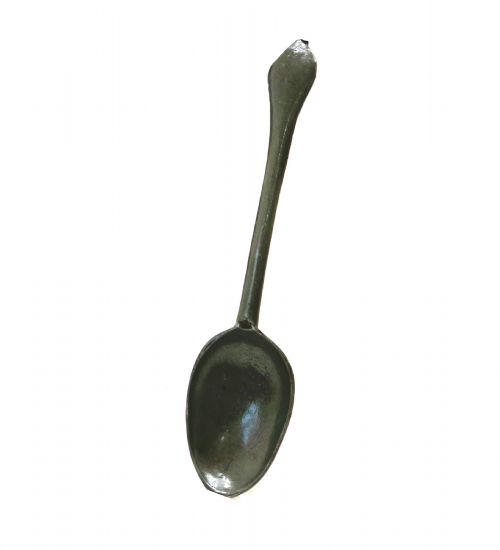
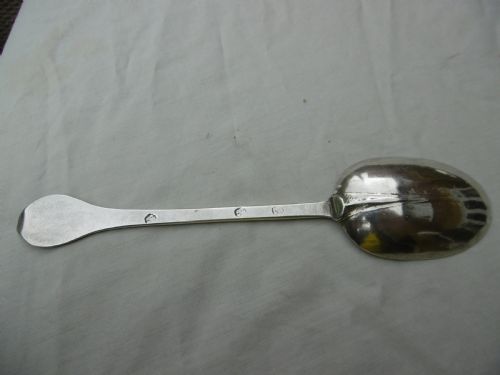

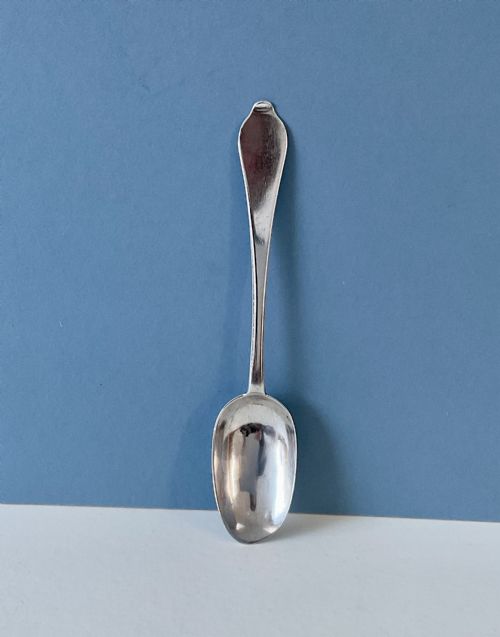


Queen Anne Spoon
A queen anne spoon is a piece of early silver or pewter that brings genuine eighteenth-century craftsmanship straight to your table.
Queen Anne Spoon
When you search for a queen anne spoon, you encounter items originating exclusively from the eighteenth century, including specific regional examples and London-made pieces. The forms you are most likely to meet on this page include dognose tablespoons, marrow spoons, and sugar sifter spoons fashioned in sterling silver, silver, Britannia silver, pewter, and wood.
The material palette reflects the strict standards of the era, notably the higher purity standard of Britannia silver alongside standard sterling silver and traditional pewter. Makers stamped these objects with hallmarks that now allow precise dating between the turn of the century and the second decade of the seventeen-hundreds.
Regional variations add character to the selection, with provincial pieces originating from areas such as East Anglia, the West Country, Plymouth, and Scotland. These spoons display distinct regional touches like lace backs, stag crests, and engraved initials that distinguish them from standard London production.
How they were made
Silversmiths shaped these pieces from hammered sheet metal or cast forms, utilising sterling silver, Britannia silver, and pewter to achieve durable domestic utensils. Wood also appears among the material records for specific items.
Workers applied hand-engraved details such as initials, lace back decoration, and family crests directly onto the metal surface using gravers and punches. Maker marks, town marks, and date letters were then struck individually into the reverse of the stem.
Queen Anne Spoon Retail Price Guide 2026
Typical asking prices for queen anne spoon among the pieces listed under this phrase on Sellingantiques today, from the lower quarter to the upper quarter. They describe what is for sale here now, not the wider market.
A stag crest engraved onto a set of tablespoons reveals that someone wanted their cutlery to boast about their hunting prowess.
What varies in quality
The crispness of the hallmarks and the legibility of the maker's stamp dictate much of the historical value and certainty of origin. Clear town marks and legible maker initials confirm the workshop provenance.
The preservation of the original bowl shape and the thickness of the metal along the stem determine how well a spoon survived centuries of use. Provincial pieces with unusual decorative flourishes like lace backs command attention for their distinct regional artistry.
Benjamin Watts·John Smith·John Pike of Plymouth·Richard Rae·Lawrence Coles London·J Ladyman
The Queen Anne Spoon Glossary
- Dognose spoon
- An early eighteenth-century spoon style featuring a rounded, downturned terminal that resembles a dog's nose. This form succeeded the earlier trifid design.
- Britannia silver
- A higher standard of silver alloy introduced by parliamentary act in England to discourage the melting of coinage. It contains ninety-five point eight percent pure silver.
- Marrow spoon
- A specialised utensil featuring a narrow, trough-like bowl designed for extracting marrow from bones. These elongated pieces date from the same period as standard tablespoons.
- Lace back
- A decorative technique involving intricate scrollwork and foliate engraving on the reverse of the spoon bowl. This stylistic touch appears on regional tablespoons.
- Sugar sifter spoon
- A spoon with a pierced bowl utilised for sprinkling sugar over food. The perforations allowed powdered sugar to scatter evenly.
Queen Anne Spoon: Frequently Asked Questions
What is a dognose spoon?
A dognose spoon is a flatware form from the early eighteenth century characterised by a distinctive downturned terminal at the end of the handle. This shape bridges the stylistic gap between the earlier trifid spoon and the later Hanoverian pattern.
You will frequently encounter this form listed alongside regional variations and maker marks from the seventeen-hundreds.
What is Britannia silver?
Britannia silver is a specific alloy composition established by law to maintain a higher purity than standard sterling silver. It consists of ninety-five point eight percent pure silver combined with copper.
Spoons bearing this standard often display crisp hallmarks from the early eighteenth-century period.
Where were provincial spoons made?
Provincial spoons originated in workshops outside London, including locations in East Anglia, Plymouth, the West Country, and Scotland. Local silversmiths often incorporated distinctive regional decorative motifs such as lace backs or specific family crests.
These pieces offer a glimpse into local trade practices during the early eighteenth century.